


Shipping goods from China to South Korea has become increasingly important for businesses engaged in international trade. Whether you are a small e-commerce seller, a manufacturer, or a large trading company, choosing a reliable freight forwarder can save time, reduce costs, and ensure your cargo arrives safely.
In this article, we will discuss everything you need to know about China to South Korea freight forwarding, including shipping methods, customs clearance, and tips for smooth logistics.
Why Choose a Freight Forwarder from China to South Korea?
Shipping directly from China to South Korea may seem simple, but there are many complexities involved:
- Customs Procedures – Both countries have strict import/export regulations. Mistakes in documentation can delay shipments or result in fines.
- Multiple Shipping Options – From air freight to sea freight and express courier services, selecting the right method affects cost and delivery time.
- Cargo Safety – Fragile, high-value, or sensitive items need professional handling.
- Cost Optimization – Freight forwarders consolidate shipments, negotiate better rates, and handle last-mile delivery.
A professional freight forwarder acts as your logistics partner, ensuring that your shipment is handled efficiently from pickup in China to delivery in South Korea.
Shipping Methods from China to South Korea
1. Sea Freight
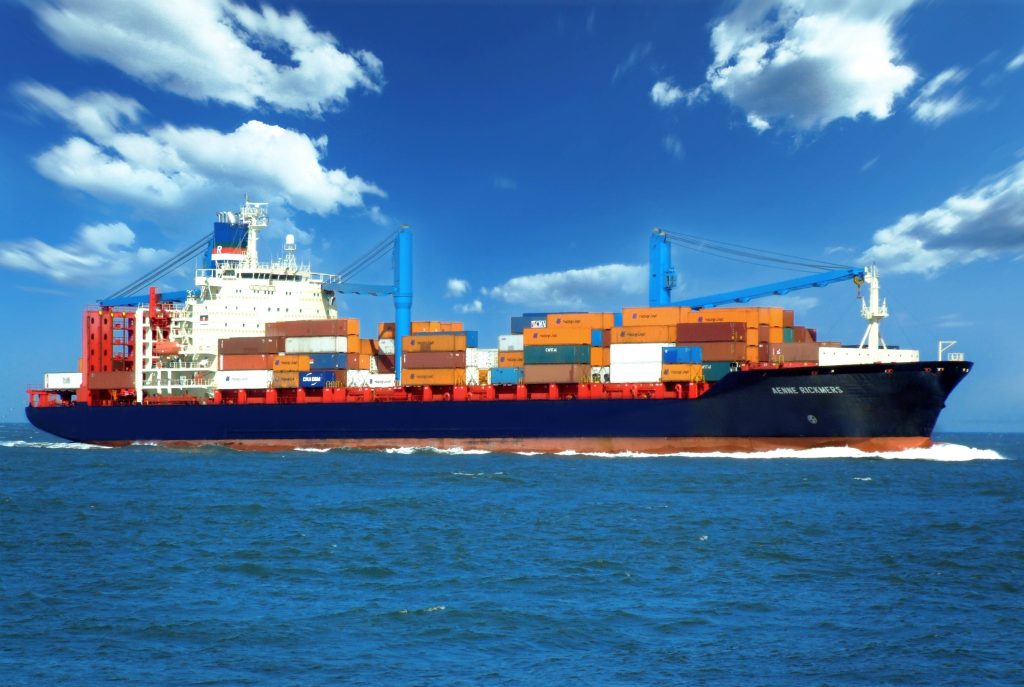
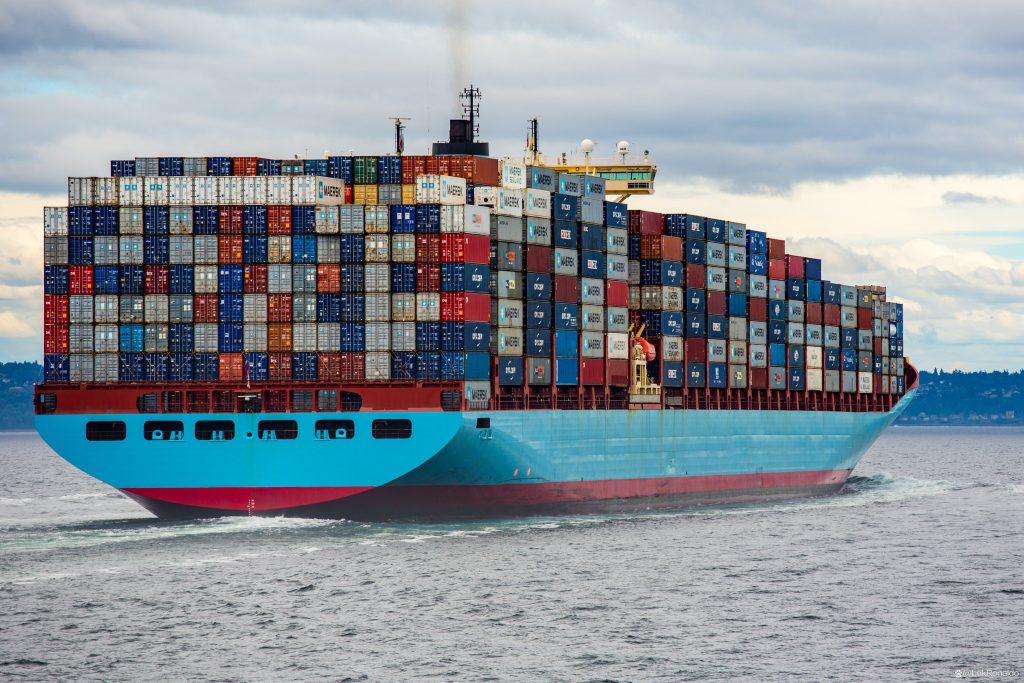
Sea freight is one of the most popular shipping methods for bulk shipments. It is cost-effective but slower compared to air freight.
- Full Container Load (FCL) – Best for large shipments that fill an entire container.
- Less than Container Load (LCL) – Ideal for smaller shipments. Your goods are consolidated with other cargo to save costs.
Estimated shipping time: 3–7 days (depending on the port and service).
Popular Chinese ports: Shanghai, Shenzhen, Ningbo, Qingdao, Guangzhou.
Popular Korean ports: Busan, Incheon, Gwangyang, Pohang.
2. Air Freight
Air freight is faster and more secure, suitable for urgent or high-value shipments.
- Standard Air Freight – Most cost-efficient option for regular shipments.
- Express Air Freight – Delivered within 1–3 days, suitable for urgent goods.
Tips:
- Check airline restrictions on cargo types (batteries, chemicals, electronics).
- Ensure accurate labeling and documentation to avoid customs delays.
3. Express Courier
Express services (DHL, FedEx, UPS, TNT) are ideal for small parcels or samples.
Advantages:
- Door-to-door service.
- Real-time tracking.
- Fast delivery (usually 2–5 days).
Disadvantages:
- Higher cost per kg compared to air or sea freight.
Customs Clearance: Key Steps
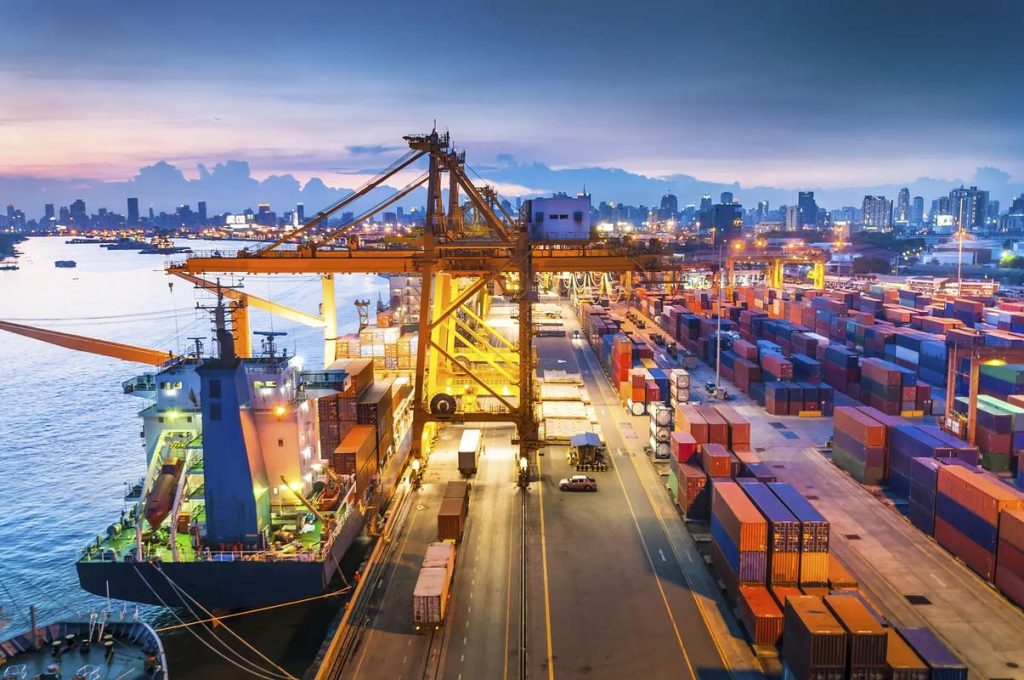
Customs clearance is a critical part of international shipping. A professional freight forwarder will:
- Prepare Documentation – Commercial invoice, packing list, bill of lading, export declaration.
- HS Code Classification – Proper classification avoids unnecessary taxes or fines.
- Duty & Tax Management – Calculate import duties and VAT in South Korea.
- Inspection & Approval – Ensure the cargo complies with safety and quality standards.
Tip: Always provide accurate product descriptions and HS codes to minimize delays.
Logistics Tips for China to South Korea Shipping
- Consolidate Shipments – If you have multiple small shipments, consolidating can reduce costs.
- Plan Ahead – Sea freight takes longer, so plan shipments in advance.
- Insurance – Protect high-value cargo with marine or air cargo insurance.
- Choose the Right Partner – Look for freight forwarders experienced in China-Korea trade with a local office or partner in South Korea.
- Track Your Shipment – Reliable freight forwarders provide real-time tracking to keep your cargo secure.
Benefits of Using a Professional Freight Forwarder
Using a professional freight forwarder brings several advantages:
- Time-Saving – They handle all logistics, documentation, and customs.
- Cost-Efficient – Freight forwarders can negotiate bulk shipping rates.
- Risk Management – Reduce the chance of lost or damaged goods.
- One-Stop Service – From pick-up in China to delivery in South Korea, including warehousing, packaging, and last-mile delivery.
Conclusion
Shipping from China to South Korea doesn’t have to be complicated. By partnering with a reliable freight forwarder, businesses can enjoy smooth logistics, faster delivery, and cost savings.
Whether you are exporting electronics, fashion, machinery, or e-commerce goods, professional freight forwarding ensures your cargo reaches South Korea safely and on time.
If you want a trusted logistics partner for China to South Korea shipping, consider a company that offers FCL, LCL, air freight, and express courier services, along with customs clearance and cargo insurance.
Keywords included for SEO optimization:
- China to South Korea freight forwarding
- Shipping from China to South Korea
- China to Korea logistics
- FCL and LCL China Korea
- Air freight China Korea
- Sea freight China Korea
- Express shipping China to South Korea
- Customs clearance China Korea