

Shipping goods from China to Canada is a crucial part of global trade. With Canada importing a wide range of products from China, businesses need a trusted freight forwarding partner to ensure timely delivery, secure cargo handling, and cost efficiency.
This guide covers China to Canada freight forwarding, including shipping methods, customs clearance, logistics tips, and cost-saving strategies.
Why Use a Freight Forwarder from China to Canada
Even though China and Canada have a well-established trade relationship, shipping still presents challenges:
- Customs Regulations – Canada has strict import rules; missing or incorrect documentation can delay shipments.
- Multiple Shipping Options – Sea freight, air freight, express courier, and intermodal transport have varying costs and delivery times.
- Cargo Safety – Fragile, high-value, or perishable goods require professional handling.
- Cost Optimization – Freight forwarders consolidate shipments, negotiate rates, and manage last-mile delivery.
A professional freight forwarder ensures smooth transportation from China to Canada.
Shipping Methods from China to Canada
1. Sea Freight
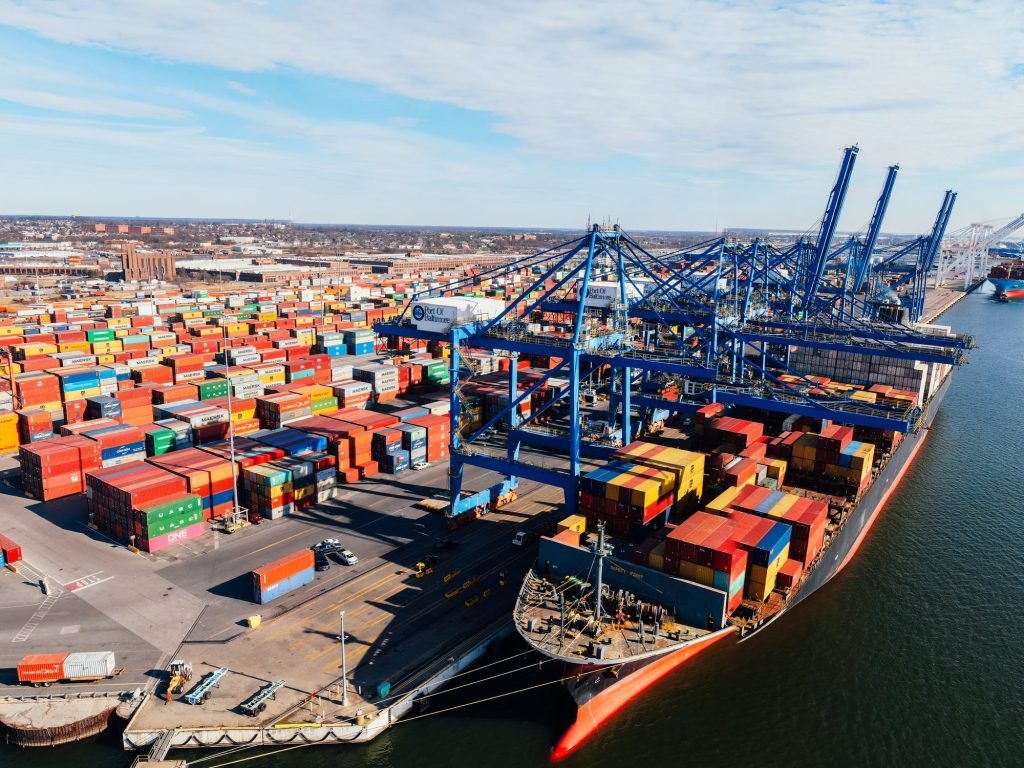
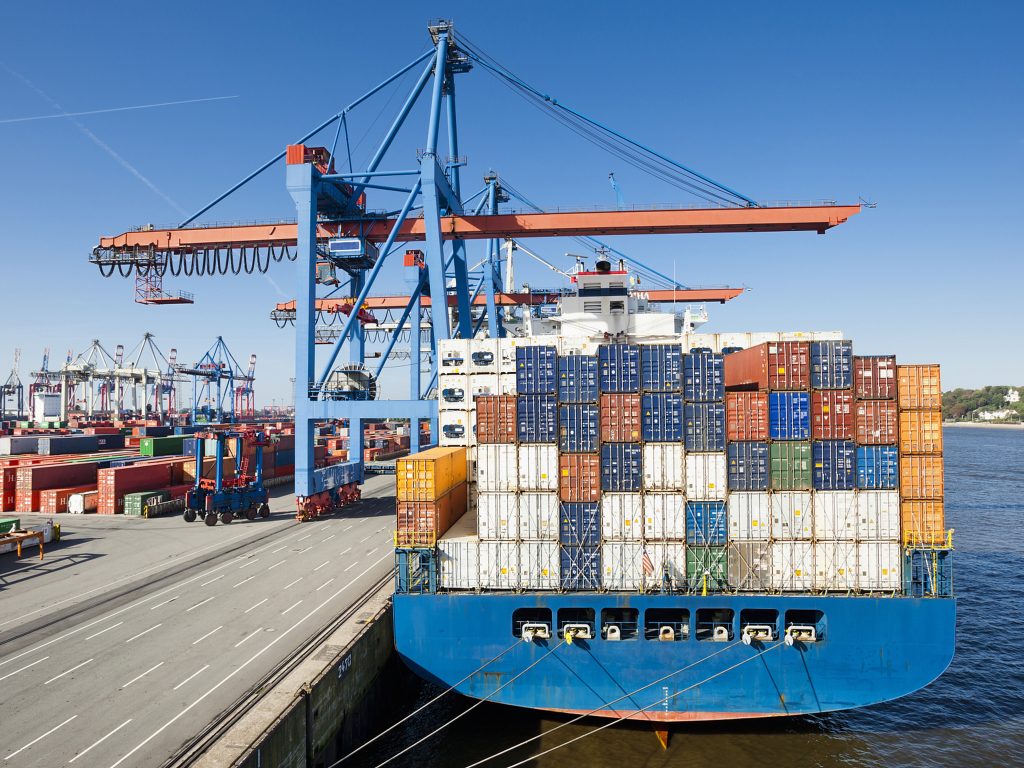
Sea freight is the most economical option for bulk shipments and large cargo.
- Full Container Load (FCL) – Suitable for shipments filling an entire container.
- Less than Container Load (LCL) – Cost-effective for smaller shipments consolidated with other goods.
Estimated transit time: 15–35 days depending on ports and service.
Major Chinese ports: Shanghai, Shenzhen, Ningbo, Guangzhou, Qingdao.
Major Canadian ports: Vancouver, Montreal, Toronto, Halifax, Prince Rupert.
2. Air Freight
Air freight is faster and suitable for urgent or high-value goods.
- Standard Air Freight – Cost-effective for regular shipments.
- Express Air Freight – Delivered in 1–5 days for urgent shipments.
Tips:
- Check airline restrictions for electronics, batteries, and chemicals.
- Accurate labeling and documentation prevent customs delays.
3. Express Courier
Courier services like DHL, FedEx, UPS, and TNT are ideal for small parcels or samples.
Advantages:
- Door-to-door delivery.
- Real-time tracking.
- Fast transit (2–7 days depending on destination).
Disadvantages:
- Higher cost per kilogram than sea or air freight.
4. Intermodal / Rail Freight
For inland shipments from Canadian ports to other cities, rail or intermodal transport can be combined with sea freight:
- Advantages:
- Cost-effective for long-distance inland delivery.
- Reduces total transit time compared to trucking alone.
- Considerations:
- Requires coordination between ports and rail operators.
Customs Clearance in Canada
Proper customs clearance ensures smooth shipping. Key steps include:
- Prepare Documentation – Commercial invoice, packing list, bill of lading, and customs forms (B3, CBSA).
- HS Code Classification – Correct classification avoids overpaying duties.
- Duty & Tax Calculation – Comply with Canadian import duties and GST/HST.
- Inspection & Compliance – Ensure goods meet Canada’s safety and quality standards.
Tip: Accurate HS codes and product descriptions prevent delays.
Logistics Tips for China to Canada Shipping
- Consolidate Shipments – Combine smaller shipments to reduce cost.
- Plan Ahead – Sea freight requires longer lead time.
- Insurance – Protect valuable or fragile cargo with marine or air insurance.
- Choose Experienced Partners – Freight forwarders familiar with China-Canada trade handle customs efficiently.
- Track Shipments – Real-time tracking improves transparency and accountability.
Advantages of Using a Professional Freight Forwarder
- Time-Saving – Forwarders manage logistics, documentation, and customs.
- Cost-Efficient – Bulk shipping and consolidation reduce expenses.
- Risk Management – Professional handling minimizes cargo loss or damage.
- One-Stop Service – Pickup, shipping, customs clearance, and delivery in Canada.
Conclusion
Shipping from China to Canada can be simple and reliable with a professional freight forwarding partner. Businesses benefit from timely delivery, secure cargo handling, and cost-effective solutions.
Whether exporting electronics, machinery, e-commerce goods, or consumer products, professional freight forwarding ensures shipments arrive safely and efficiently in Canada.