

The Philippines is an important trading partner for China in Southeast Asia, with growing demand for electronics, machinery, consumer goods, and e-commerce shipments. Efficient logistics and professional handling are essential. A China to Philippines freight forwarder ensures safe, cost-effective, and timely transportation for businesses of all sizes.
This guide covers shipping options, transit times, costs, customs requirements, and door-to-door services from China to the Philippines.
Shipping Methods from China to the Philippines
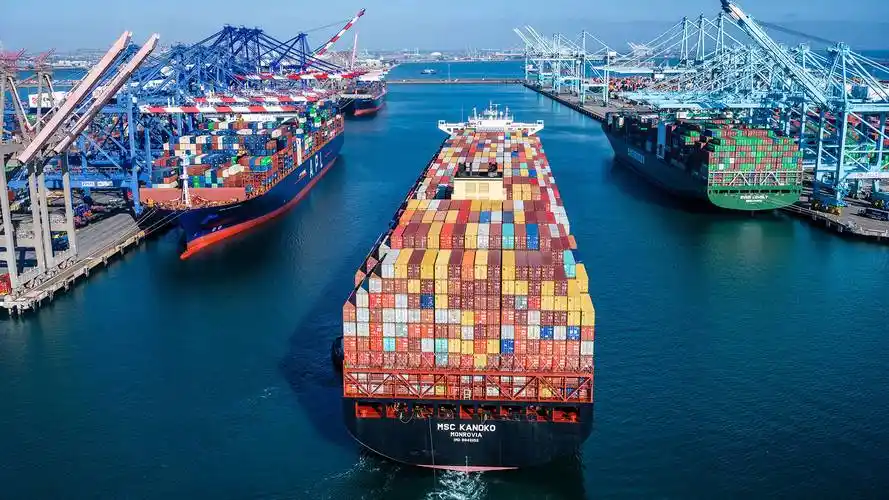
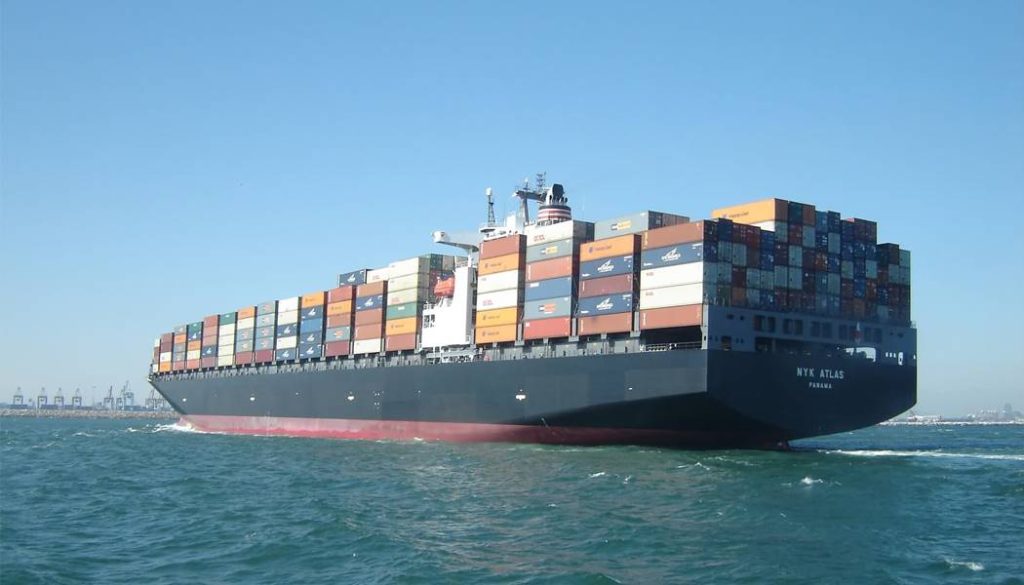
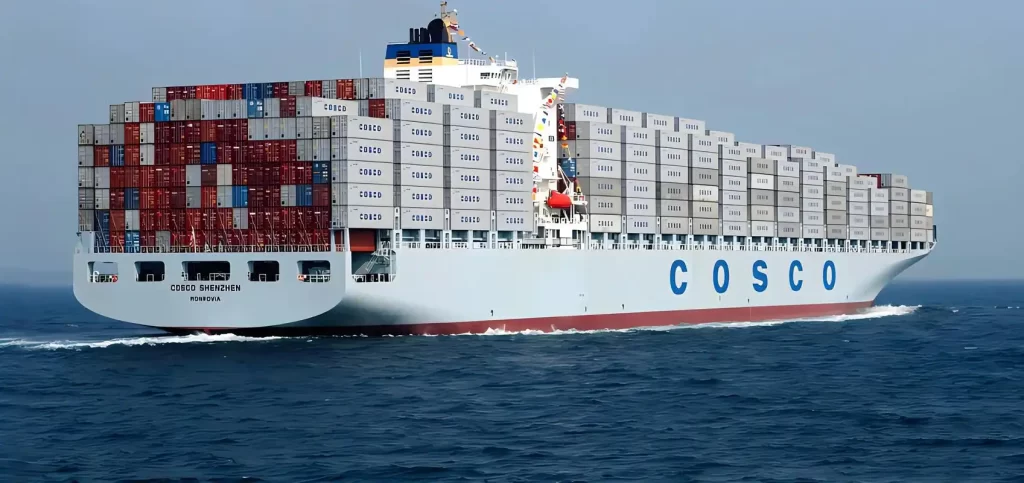
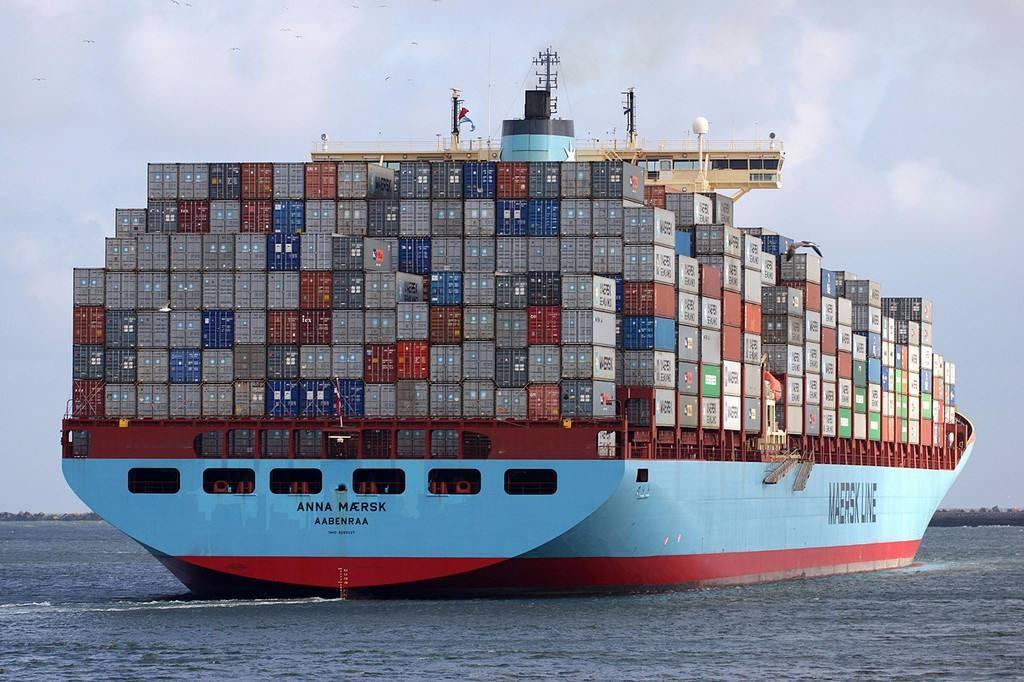
1. Sea Freight from China to the Philippines
Sea freight is the most economical method for bulk cargo.
Major Chinese ports:
- Shanghai
- Ningbo
- Shenzhen
- Guangzhou
- Xiamen
- Qingdao
Main Philippine ports:
- Manila (Port of Manila)
- Cebu (Cebu International Port)
- Davao (Davao Port)
Shipping options:
- FCL (Full Container Load: 20GP / 40GP / 40HQ)
- LCL (Less than Container Load)
Transit time:
- 7–15 days (port to port)
Ideal for:
- Electronics and appliances
- Machinery
- Consumer goods
- Furniture
- Industrial materials
2. Air Freight from China to the Philippines
Air freight is the fastest method for urgent or high-value shipments.
Major routes:
- Shanghai PVG → Manila MNL
- Guangzhou CAN → Cebu CEB
- Shenzhen SZX → Manila MNL
Transit time:
- 2–5 days
Best for:
- Electronics
- Medical devices
- Perishable goods
- Time-sensitive shipments
3. Express Courier to the Philippines
Express shipping is suitable for small parcels and e-commerce deliveries.
Delivery time:
- 3–6 working days
Advantages:
- Door-to-door service
- Quick customs processing
- Shipment tracking
Shipping Costs from China to the Philippines
Shipping costs depend on:
- Cargo weight and volume
- Transport method (sea, air, express)
- Origin and destination ports
- Seasonal demand and surcharges
A professional freight forwarder can optimize costs through consolidation, route planning, and carrier negotiation.
Customs Clearance in the Philippines
Philippine customs regulations require accurate documentation for smooth clearance.
Required documents:
- Commercial Invoice
- Packing List
- Bill of Lading / Air Waybill
- Certificate of Origin (if applicable)
- Import permits for regulated products
Commonly regulated items:
- Food and beverages
- Chemicals
- Medical equipment
- Electronics
Experienced freight forwarders minimize customs delays and ensure compliance with Philippine regulations.
Door-to-Door Shipping from China to the Philippines
Door-to-door logistics includes:
- Factory pickup in China
- Export customs clearance
- International transportation
- Import customs clearance in the Philippines
- Delivery to warehouse or final destination
This service is ideal for importers, distributors, and e-commerce businesses.
Why Choose a China to Philippines Freight Forwarder?
A reliable freight forwarder provides:
- Competitive freight rates
- Flexible shipping options
- Customs clearance expertise
- Shipment tracking and updates
- End-to-end logistics solutions
The Philippines’ archipelago geography makes professional coordination essential for timely delivery.
How to Choose the Right Freight Forwarder
When selecting a China–Philippines freight forwarder, consider:
- Experience with Philippine customs
- Local network and agents in the Philippines
- Transparent and fair pricing
- Responsive communication
- Door-to-door service capability
FAQs – Shipping from China to the Philippines
How long does shipping from China to the Philippines take?
Sea freight: 7–15 days; air freight: 2–5 days.
Is LCL shipping available to the Philippines?
Yes, LCL consolidation is widely available for small shipments.
Can freight forwarders handle customs clearance?
Yes, professional forwarders manage both export and import clearance.
What is the most economical shipping method?
Sea freight LCL or FCL is the most cost-effective option.
Conclusion
Shipping from China to the Philippines is seamless when handled by a professional freight forwarding partner. By leveraging sea, air, or express shipping and using door-to-door logistics, businesses can reduce costs, ensure compliance, and maintain reliable delivery schedules.
A trusted logistics partner guarantees smooth international trade and efficient supply chains between China and the Philippines.