

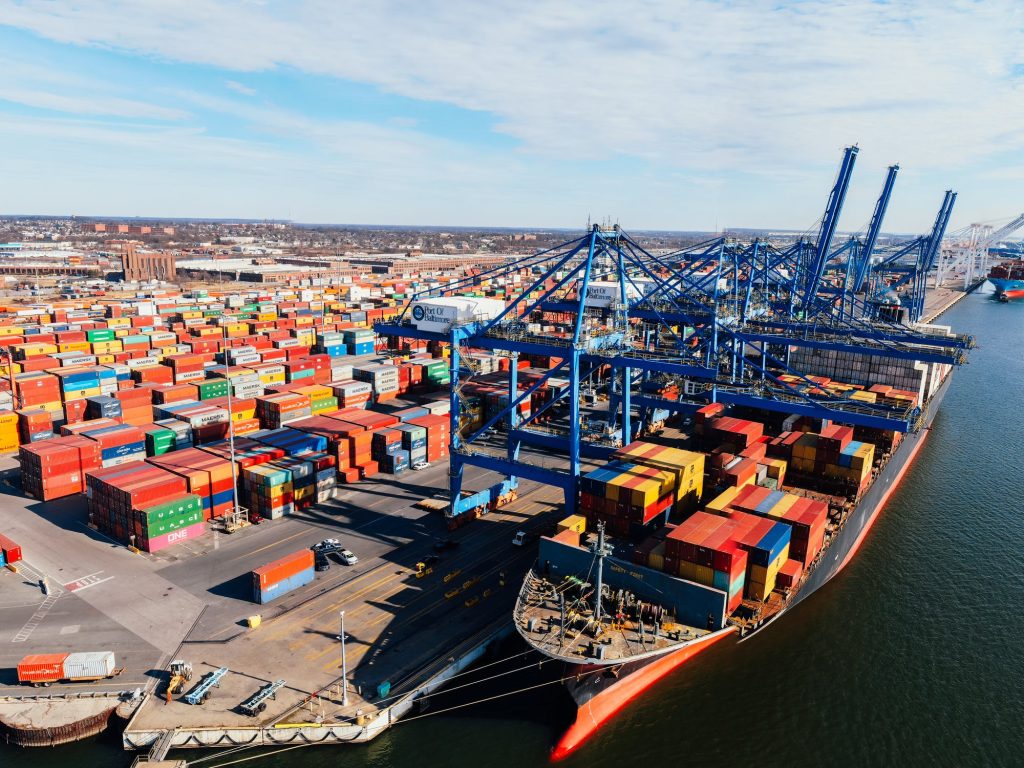
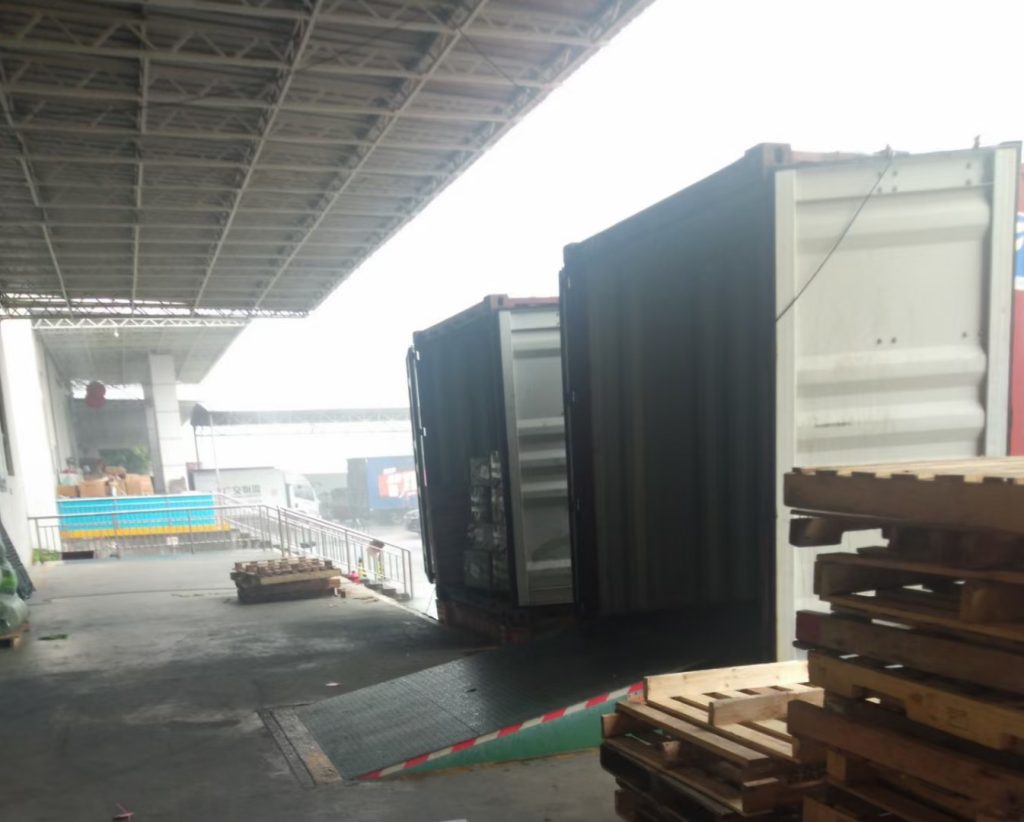
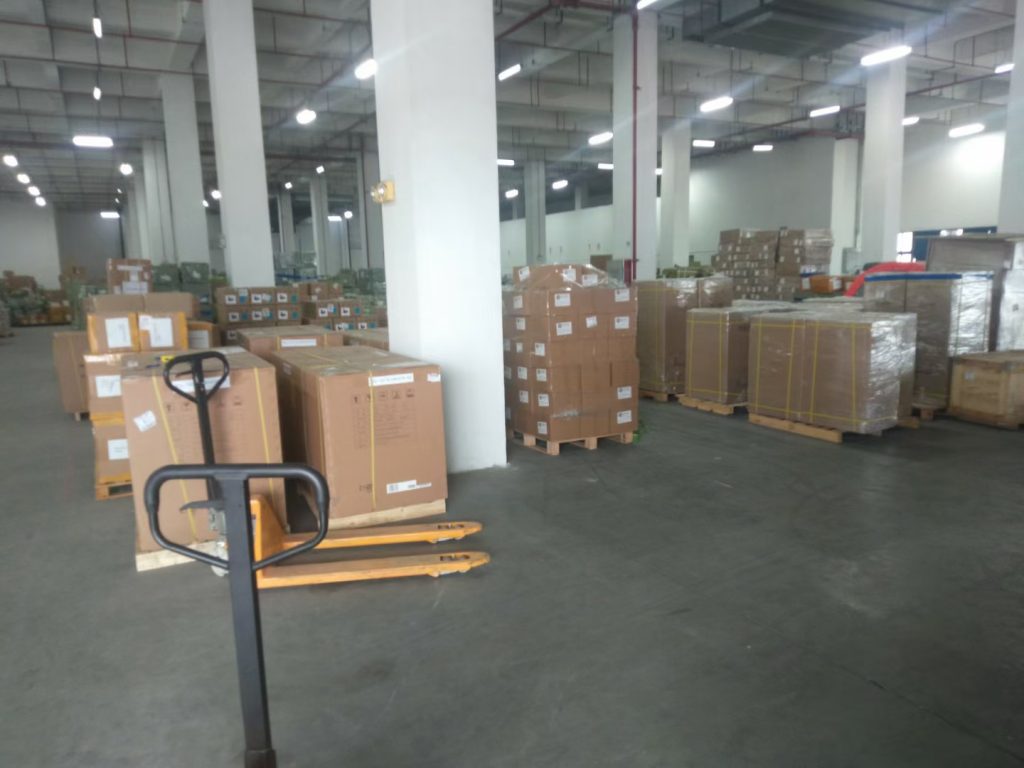
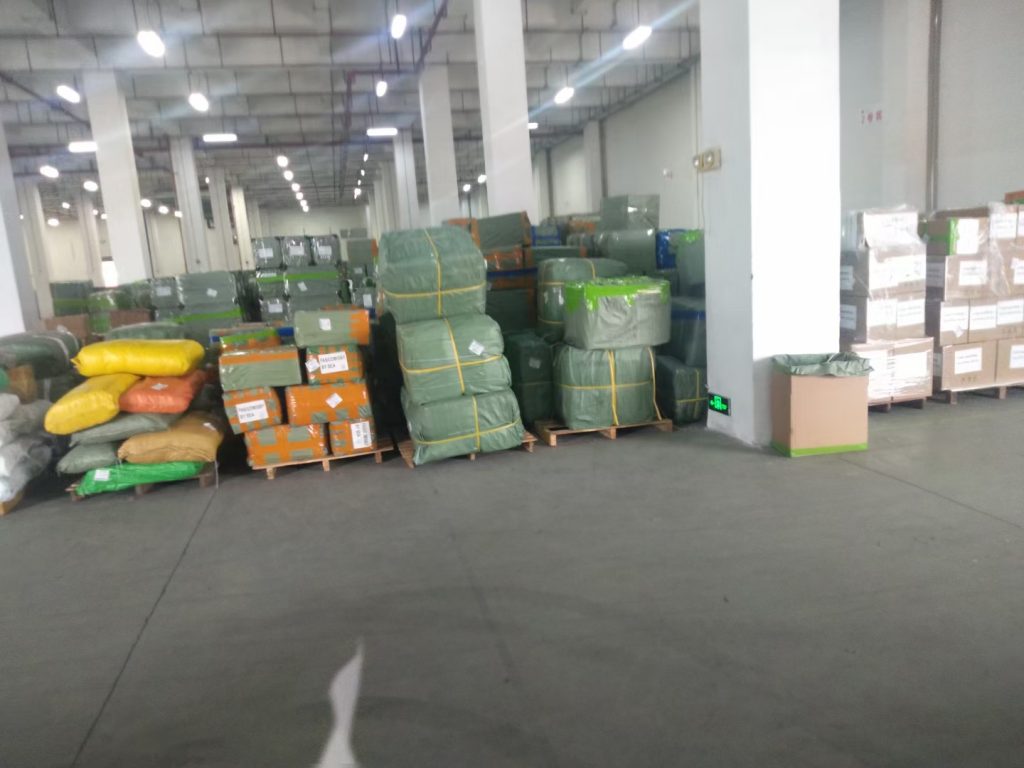
China has become the world’s manufacturing hub, producing a vast range of goods for international markets. For exporters handling bulk cargo, professional freight forwarding services are essential to ensure that shipments reach their destinations safely, on time, and in full compliance with regulations.
Professional China freight forwarding companies provide end-to-end solutions for bulk sea transport, including container booking, cargo consolidation, customs clearance, and risk management. This guide details how exporters can benefit from professional services and optimize their logistics operations.
1. Understanding Bulk Cargo Sea Transport
Bulk cargo typically refers to large shipments that are transported in full container loads (FCL) or as bulk loose cargo requiring specialized handling.
Characteristics of Bulk Cargo:
- High volume or heavy weight
- May include machinery, raw materials, or large-scale consumer goods
- Requires specialized containers or packaging
- Often part of industrial or commercial projects
Advantages of Sea Freight for Bulk Cargo:
- Cost-Effective: Lower cost per unit for large volumes
- Capacity: Can handle oversized or heavy shipments
- Flexibility: FCL or bulk cargo options for large orders
2. Role of Professional Freight Forwarders
Professional freight forwarders in China offer comprehensive bulk cargo services, including:
- Container Booking and Scheduling: Reserve FCL containers or bulk shipments with reliable shipping lines.
- Cargo Handling and Consolidation: Proper packing, palletizing, and securing of heavy or oversized cargo.
- Export Documentation: Prepare commercial invoices, packing lists, bills of lading, and export declarations.
- Customs Clearance Management: Ensure compliance with both Chinese export regulations and destination import laws.
- Risk Management: Provide cargo insurance, monitor shipment conditions, and implement preventive measures.
- End-to-End Logistics Coordination: From factory pickup to destination port delivery or project site handling.
3. Step-by-Step Bulk Cargo Sea Transport Process
Step 1: Cargo Assessment and Planning
- Measure dimensions, weight, and special handling requirements
- Determine container type (20GP, 40HQ, open-top, flat rack)
- Plan loading sequence to optimize space and prevent damage
Step 2: Container Loading and Securing
- Pack cargo safely to prevent movement during transit
- Use appropriate restraints, padding, and weather protection
- Heavy machinery may require reinforced pallets or brackets
Step 3: Export Customs Clearance
- Submit complete documentation to Chinese customs
- Ensure HS codes, commercial invoices, and packing lists are accurate
- Check if additional permits or certifications are required
Step 4: Ocean Transport
- Choose the optimal shipping route based on cost and transit time
- Track container status and monitor shipment conditions
- Adjust plans in case of port congestion or schedule changes
Step 5: Destination Customs Clearance
- Forwarder works with local customs agents for efficient clearance
- Prepare for potential inspections, duties, and documentation verification
Step 6: Delivery to Final Destination
- Transport container to consignee’s warehouse or project site
- Coordinate unloading with cranes, forklifts, or specialized equipment
4. Key Considerations for Bulk Cargo
- Weight Distribution: Ensure containers are properly balanced to prevent shifting during transit
- Special Handling: Oversized, heavy, or fragile cargo may require custom crates or packaging
- Documentation Accuracy: Avoid delays with precise HS codes, invoices, and packing lists
- Insurance: Protect against potential loss, damage, or delays
5. Cost Optimization Strategies
- FCL vs Partial Bulk Shipments: Large shipments are more cost-efficient as FCL
- Consolidation Options: Combining compatible shipments reduces costs for smaller bulk orders
- Port Selection: Choose ports with lower handling fees or better connectivity
- Advance Booking: Secure space in advance to avoid peak season surcharges
- Professional Forwarder Negotiation: Leverage freight forwarders’ relationships for better rates
6. Risk Management for Bulk Cargo
1. Cargo Damage or Loss
- Use reinforced containers, pallets, and protective packaging
- Implement regular inspection procedures
2. Customs Issues
- Forwarders ensure proper documentation, accurate HS codes, and compliance with regulations
- Pre-clearance and pre-submission of documents reduces delays
3. Transit Delays
- Real-time shipment tracking
- Alternative routing plans during port congestion or unforeseen events
4. Operational Errors
- Experienced freight forwarders provide professional loading, securing, and unloading services
7. FAQ – Frequently Asked Questions
Q1: What types of bulk cargo can be shipped via sea from China?
Machinery, industrial equipment, raw materials, large consumer goods, and oversized project cargo.
Q2: What is the difference between FCL and bulk loose cargo?
FCL uses an entire container for one customer, while bulk loose cargo may be consolidated or require specialized containers.
Q3: How long does sea freight for bulk cargo take?
- China to USA: 25–35 days
- China to Europe: 28–40 days
- Transit time depends on route, carrier, and port handling
Q4: Is insurance required for bulk cargo?
Highly recommended due to high value and handling complexity.
Q5: Do freight forwarders handle customs clearance at both ends?
Yes, professional forwarders manage export and import customs clearance, reducing delays and risks.
8. Benefits of Professional Freight Forwarders for Bulk Cargo
- Expert Handling: Specialized equipment, proper packaging, and container loading
- Full Documentation Support: Reduce risk of customs delays or penalties
- Cost Efficiency: Optimize routes, consolidate shipments, and negotiate better rates
- Global Network: Access to reliable shipping lines, ports, and local agents worldwide
- End-to-End Service: From factory pickup to delivery at project site
9. Future Trends in Bulk Cargo Freight
- Digitalization: Online booking, cargo tracking, and predictive logistics
- Sustainability: Eco-friendly shipping methods and green logistics
- E-commerce Integration: Small bulk shipments for online business growth
- Automation: Advanced warehouse management and smart cargo handling
Conclusion
Professional China freight forwarding services for bulk cargo are essential for exporters who want safe, cost-efficient, and compliant international shipping.
Key takeaways:
✔ Expert handling of bulk and oversized cargo
✔ FCL and specialized container solutions
✔ Accurate documentation and customs compliance
✔ Cargo insurance and risk management
✔ End-to-end service from factory to destination
Partnering with a professional freight forwarder ensures your bulk shipments reach their destination efficiently, safely, and on schedule.