

The Middle East is a major market for Chinese exports, ranging from electronics and consumer goods to machinery and industrial products. Exporters require professional freight forwarding services to navigate complex logistics, customs procedures, and regional regulations.
China freight forwarding to the Middle East offers air, sea, and multi-modal shipping solutions, providing reliable, fast, and cost-effective delivery from China factories to Middle Eastern destinations. This guide details the process, advantages, and best practices for international shipments to the region.
1. Overview of China to Middle East Freight Forwarding
Key Features:
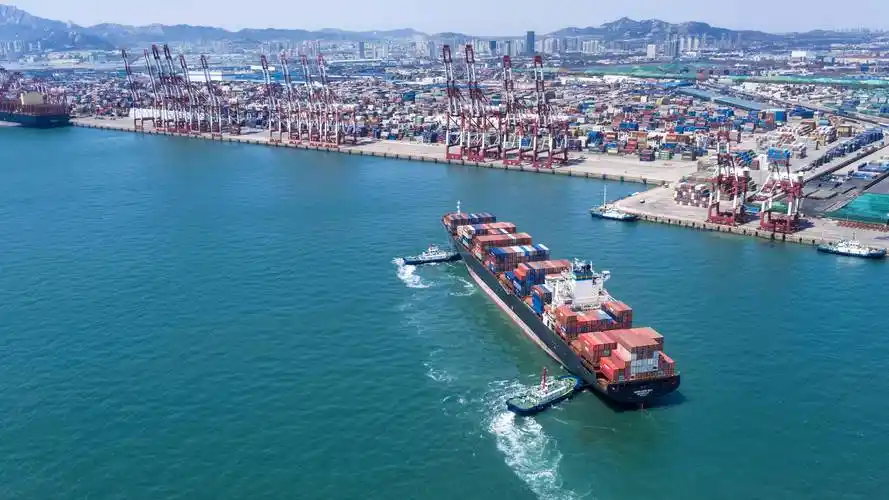
- Port Connectivity: Major Chinese ports like Shanghai, Ningbo, Shenzhen, and Qingdao connect to key Middle Eastern ports (Dubai, Jeddah, Dammam, Muscat).
- Shipping Modes: Sea freight, air freight, and multi-modal logistics for flexible delivery.
- Customs Compliance: Professional agents manage export clearance from China and import regulations in Middle Eastern countries.
- End-to-End Solutions: Door-to-door services from factory to client warehouse.
Popular Routes:
- China → UAE (Dubai, Jebel Ali Port)
- China → Saudi Arabia (Jeddah, Dammam)
- China → Oman (Muscat Port)
- China → Qatar / Bahrain / Kuwait
2. Sea Freight Services
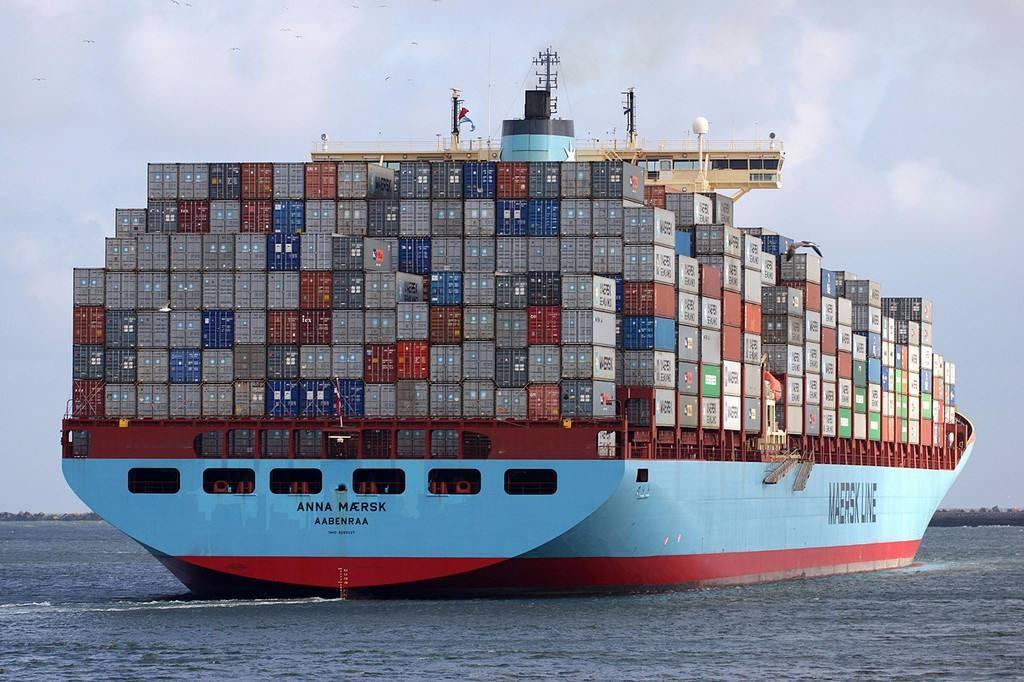
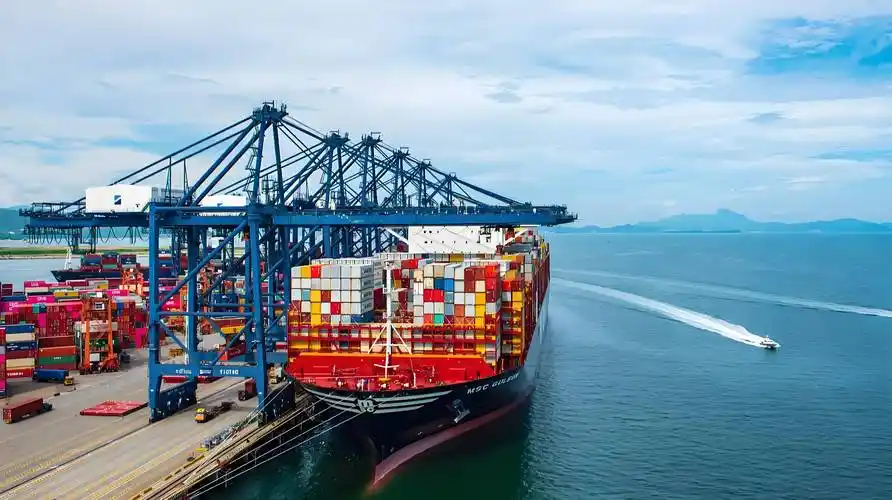
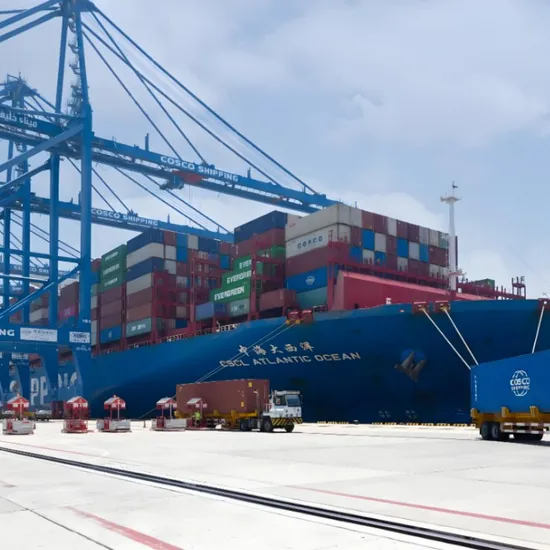
Sea freight is the preferred option for bulk shipments due to its cost efficiency.
Advantages:
- Economical: Lower cost per unit for large cargo.
- Capacity: Handles full container loads (FCL) or less-than-container loads (LCL).
- Flexibility: FCL for dedicated shipments, LCL for smaller orders.
Process:
- Booking Containers: Reserve FCL or arrange LCL consolidation.
- Cargo Preparation: Pack and secure goods inside containers.
- Export Customs Clearance: Accurate HS codes, invoices, and packing lists submitted.
- Ocean Transport: Forwarder selects optimal routes and shipping lines.
- Middle East Customs Clearance: Import documentation, duties, and inspections managed by freight agents.
- Final Delivery: Container transported to client warehouse or project site.
3. Air Freight Services
Air freight is suitable for high-value, time-sensitive, or urgent shipments.
Advantages:
- Speed: Typically 3–7 days to major Middle Eastern airports (Dubai, Doha, Riyadh).
- Reliability: Minimal handling reduces risk of damage.
- Tracking: Real-time online tracking for transparency.
Air Freight Process:
- Booking & Documentation: Prepare airway bill, commercial invoice, and packing list.
- Cargo Pickup: Forwarder arranges collection from factory.
- Airport Handling: Cargo loaded onto aircraft or consolidated with other shipments.
- Customs Clearance: Forwarder manages export and import procedures.
- Final Delivery: Door-to-door service ensures delivery to client location.
4. Multi-Modal Shipping
For regions with inland distribution or specific delivery timelines, multi-modal shipping combines sea, air, and trucking:
- Sea + Trucking: Cost-effective for bulk shipments to inland destinations.
- Air + Trucking: Fast delivery for urgent cargo.
- Rail + Trucking: Limited options in certain Middle Eastern countries, but growing for regional distribution.
5. Customs Clearance and Compliance
Middle Eastern countries have diverse regulations:
- Saudi Arabia: Requires SACS (Saudi Arabia Conformity Assessment Scheme) certification for certain goods.
- UAE: Customs duties typically 5%, with strict import documentation.
- Qatar, Oman, Kuwait: Each country requires accurate HS codes, commercial invoices, and import permits for regulated products.
Professional freight forwarders manage all documentation and ensure compliance, preventing delays or fines.
6. Cost Optimization Strategies
- FCL vs LCL Decisions: FCL is cheaper for large shipments; LCL is ideal for small or trial orders.
- Consolidation Services: Combine multiple orders to reduce shipping cost per unit.
- Advance Booking: Secure shipping space before peak seasons.
- Port Selection: Choose ports with efficient handling and lower fees.
- Negotiation with Carriers: Forwarders leverage relationships for competitive rates.
7. Risk Management
1. Cargo Loss or Damage
- Use reinforced packaging, pallets, and container securing.
- Purchase cargo insurance for high-value shipments.
2. Customs Delays
- Accurate documentation and pre-clearance reduce the risk of inspection or fines.
3. Transit Delays
- Monitor schedules and provide alternative routing in case of port congestion or weather events.
4. Cost Overruns
- Transparent pricing including freight, fuel surcharge, port fees, and inland transport.
8. FAQ – Frequently Asked Questions
Q1: How long does shipping from China to Middle East take?
- Air Freight: 3–7 days
- Sea FCL: 18–30 days
- Sea LCL: 25–35 days
Q2: Do freight forwarders handle customs clearance in Middle East?
Yes, they ensure all import regulations, duties, and certifications are compliant.
Q3: Can I use door-to-door services?
Yes, professional agents provide full-service logistics from China factory to final Middle Eastern destination.
Q4: Which is better, air or sea freight?
Air freight is faster but more expensive; sea freight is cost-effective for bulk shipments.
Q5: Is insurance necessary?
Highly recommended, especially for high-value or fragile cargo.
9. Technology and Tracking
- Online Booking & Tracking: Real-time visibility for shipment location and status.
- Cargo Management Platforms: Efficient consolidation for LCL shipments.
- Data Analytics: Predictive tools for transit time, port congestion, and route optimization.
10. Future Trends in China to Middle East Freight
- Digitalization: AI and software for route optimization, scheduling, and risk management
- Sustainable Logistics: Eco-friendly shipping and green packaging initiatives
- E-commerce Growth: Increasing small parcel and LCL demand from online businesses
- Regional Connectivity: Improved shipping routes and inland distribution networks
Conclusion
China freight forwarding services to the Middle East offer efficient, reliable, and compliant shipping solutions.
Key takeaways:
✔ Flexible air, sea, and multi-modal shipping options
✔ FCL and LCL solutions for all shipment sizes
✔ Customs compliance across diverse Middle Eastern regulations
✔ Risk management with cargo insurance and secure handling
✔ End-to-end door-to-door service from China to client location
Professional freight forwarders ensure that shipments to the Middle East are delivered safely, on time, and cost-effectively, supporting international trade growth.