

China to Vietnam Freight Forwarding: Efficient Shipping for E-Commerce and Bulk Cargo
Vietnam has become one of Southeast Asia’s most dynamic markets, attracting Chinese exporters for electronics, machinery, textiles, and e-commerce goods. Efficient logistics solutions are crucial for businesses shipping from China. A professional China to Vietnam freight forwarding service ensures reliable, cost-effective, and timely delivery while maintaining full compliance with Vietnamese customs regulations.
This guide covers shipping methods, transit times, costs, customs procedures, and door-to-door solutions for businesses shipping from China to Vietnam.
Shipping Methods from China to Vietnam
1. Sea Freight from China to Vietnam
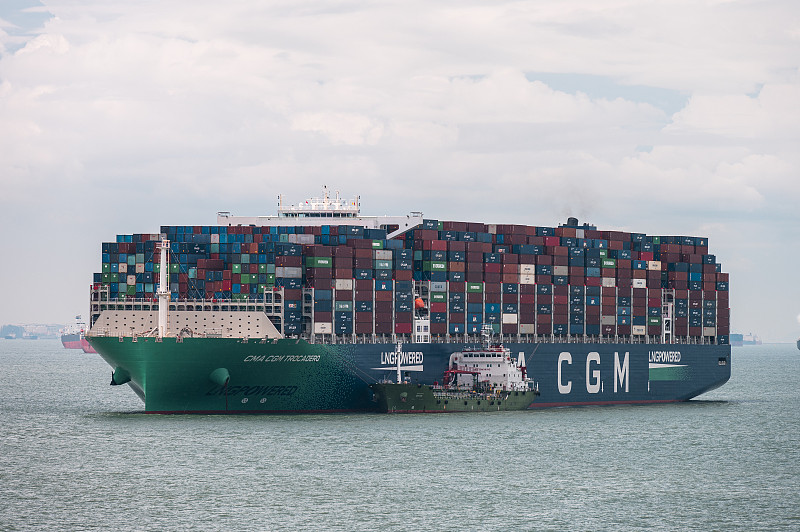
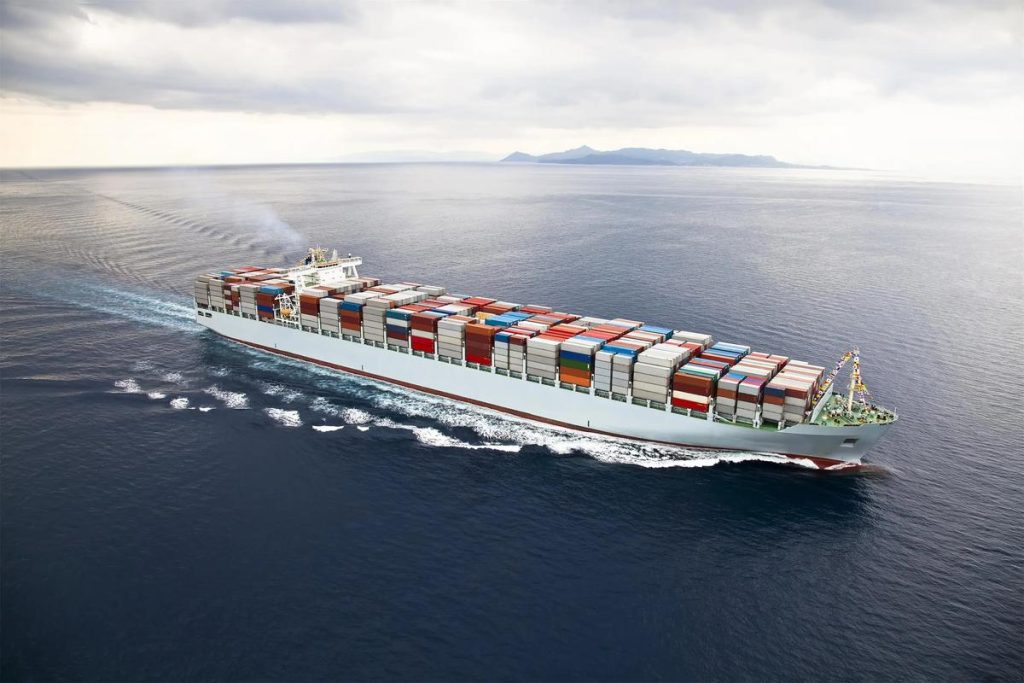
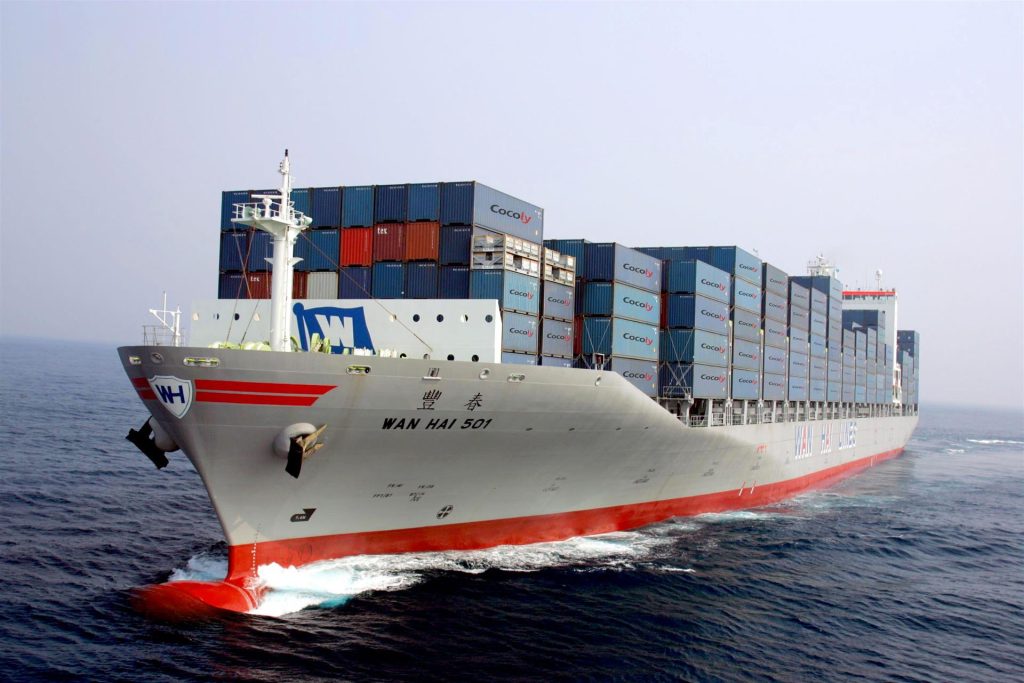
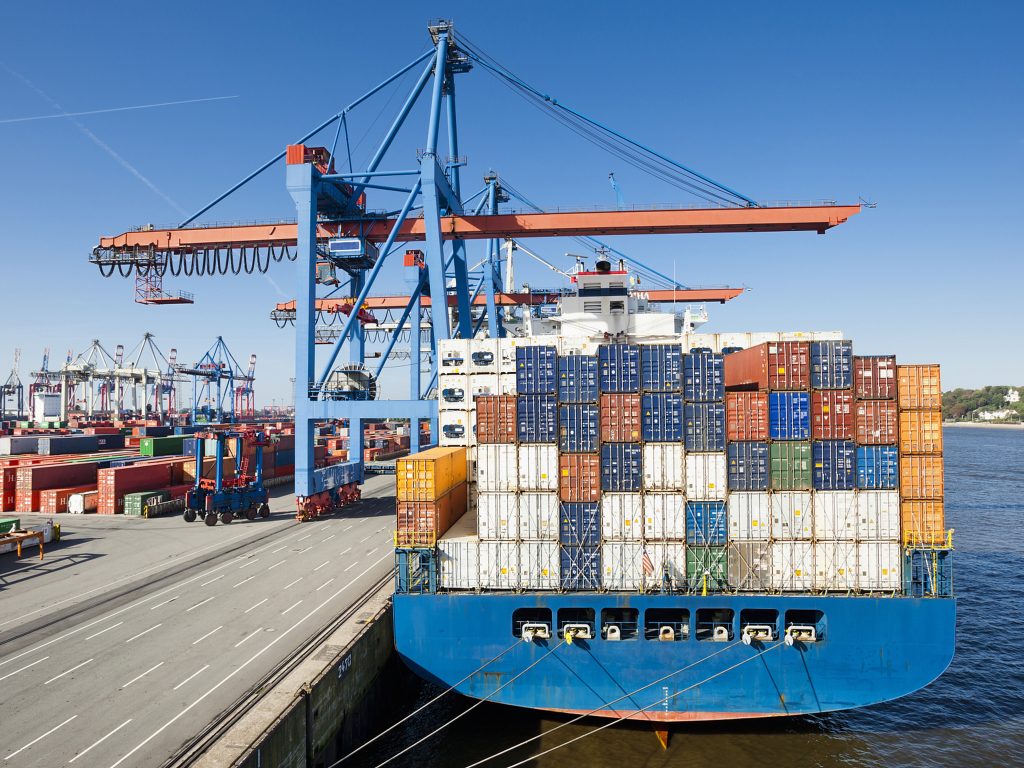
Sea freight is the most cost-effective method for bulk shipments, including full container loads (FCL) and less than container loads (LCL).
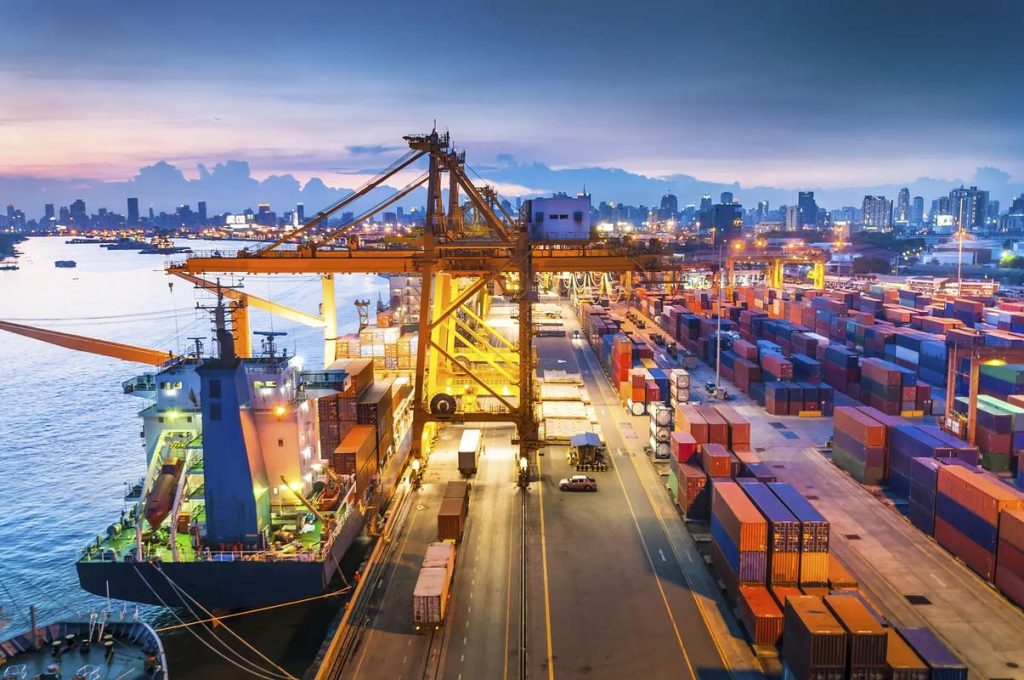
Major Chinese ports:
- Shanghai
- Ningbo
- Shenzhen
- Guangzhou
- Xiamen
- Qingdao
Major Vietnamese ports:
- Hai Phong
- Ho Chi Minh City (Cat Lai Port)
- Da Nang
- Quy Nhon
Advantages of Sea Freight:
- Economical for large shipments
- Flexible container sizes (20GP, 40GP, 40HQ)
- Ideal for machinery, electronics, textiles, and industrial goods
Transit Time: 3–10 days depending on port of origin and destination.
2. Air Freight from China to Vietnam
Air freight is preferred for high-value, urgent, or time-sensitive shipments. Though more expensive than sea freight, it offers significantly faster delivery.
Major Routes:
- Shanghai PVG → Hanoi HAN / Ho Chi Minh City SGN
- Guangzhou CAN → Hanoi HAN / Ho Chi Minh City SGN
- Shenzhen SZX → Ho Chi Minh City SGN
Transit Time: 1–3 days
Best For: Electronics, medical devices, perishable goods, and e-commerce parcels.
Advantages:
- Rapid delivery
- Reduced risk of damage
- Reliable tracking
3. Express Courier Services
For small parcels and e-commerce shipments, express courier services like DHL, FedEx, and UPS provide fast, door-to-door delivery.
Delivery Time: 2–5 working days
Advantages:
- Complete tracking from origin to destination
- Door-to-door convenience
- Efficient customs clearance
Cost Factors for Shipping from China to Vietnam
Shipping costs depend on several key factors:
- Cargo weight and dimensions – Larger and heavier shipments increase costs.
- Shipping method – Sea freight is cheapest for bulk cargo; air freight is faster but costlier; express is ideal for small parcels.
- Origin and destination ports – Distance, port efficiency, and handling fees impact pricing.
- Seasonal demand – Peak trade periods may increase fees.
- Additional services – Door-to-door delivery, customs clearance, packaging, and insurance.
A professional China to Vietnam freight forwarder can consolidate shipments, optimize routes, and reduce logistics costs.
Customs Clearance in Vietnam
Vietnamese customs regulations require accurate documentation for smooth import clearance.
Essential Documents:
- Commercial Invoice
- Packing List
- Bill of Lading (B/L) or Air Waybill (AWB)
- Certificate of Origin (if applicable)
- Import licenses for restricted goods
Commonly Regulated Products:
- Electronics and telecommunications devices
- Food and beverages
- Machinery and industrial equipment
- Chemicals and pharmaceuticals
Experienced freight forwarders handle customs paperwork and compliance, minimizing delays at ports.
Door-to-Door Shipping Solutions
Door-to-door shipping provides a complete logistics solution for businesses shipping from China to Vietnam. Services typically include:
- Pickup from Chinese factory
- Export customs clearance
- International transportation
- Import customs clearance in Vietnam
- Delivery to warehouse, retail location, or customer address
Door-to-door services simplify logistics for e-commerce sellers, distributors, and businesses without local teams.
Why Choose a China to Vietnam Freight Forwarder?
A professional freight forwarder offers several benefits:
- Competitive shipping rates – Consolidated shipments reduce overall costs.
- Customs expertise – Ensures compliance with Vietnamese import regulations.
- Flexible shipping options – Sea, air, or express depending on urgency and cargo type.
- Real-time tracking – Full visibility of shipments from China to Vietnam.
- End-to-end logistics management – Minimizes errors, delays, and operational risks.
Vietnam’s strategic location in Southeast Asia requires efficient freight coordination for timely delivery.
How to Select the Right Freight Forwarder
Consider these factors when choosing a China–Vietnam freight forwarder:
- Experience with Vietnam shipping – Knowledge of customs procedures is essential.
- Local network – Agents at Vietnamese ports ensure smooth handling and delivery.
- Transparent pricing – Avoid hidden fees or unexpected costs.
- Responsive customer service – Quick resolution of issues and inquiries.
- Door-to-door capability – Ensures full logistics support without additional coordination.
FAQs – Shipping from China to Vietnam
Q1: How long does shipping from China to Vietnam take?
- Sea freight: 3–10 days
- Air freight: 1–3 days
- Express courier: 2–5 working days
Q2: Can freight forwarders handle customs clearance?
Yes, professional forwarders manage both export and import procedures.
Q3: What is the most cost-effective shipping method?
Sea freight (LCL or FCL) is the most economical for large shipments.
Q4: Are door-to-door services available?
Yes, most freight forwarders provide complete door-to-door logistics solutions.
Conclusion
Shipping from China to Vietnam is streamlined and efficient when managed by a professional freight forwarding partner. Utilizing sea, air, or express shipping along with door-to-door services allows businesses to reduce costs, ensure timely delivery, and comply fully with Vietnamese customs regulations.
A reliable China to Vietnam freight forwarding service simplifies supply chains, enabling businesses to focus on growth, e-commerce expansion, and trade across Southeast Asia.