

Shipping from China to Germany
Introduction
Germany is the largest economy in Europe and a key trading partner for China. Many German companies import products from Chinese manufacturers due to competitive production costs, efficient manufacturing, and the wide variety of goods available. Commonly shipped products include electronics, automotive parts, machinery, clothing, home appliances, and consumer goods.
With the growth of e-commerce and international trade, efficient logistics between China and Germany has become essential. Understanding the shipping process is important for controlling costs, ensuring timely delivery, and navigating customs regulations.
Shipping from China to Germany typically involves several stages: cargo pickup from suppliers, export customs clearance in China, international transportation, customs clearance in Germany, and final delivery to warehouses or end customers.
This guide explains the main shipping methods, estimated shipping costs, transit times, major ports, and customs procedures for transporting goods from China to Germany.
Shipping Methods from China to Germany
There are three main methods for shipping goods from China to Germany: sea freight, air freight, and rail freight.
Sea Freight
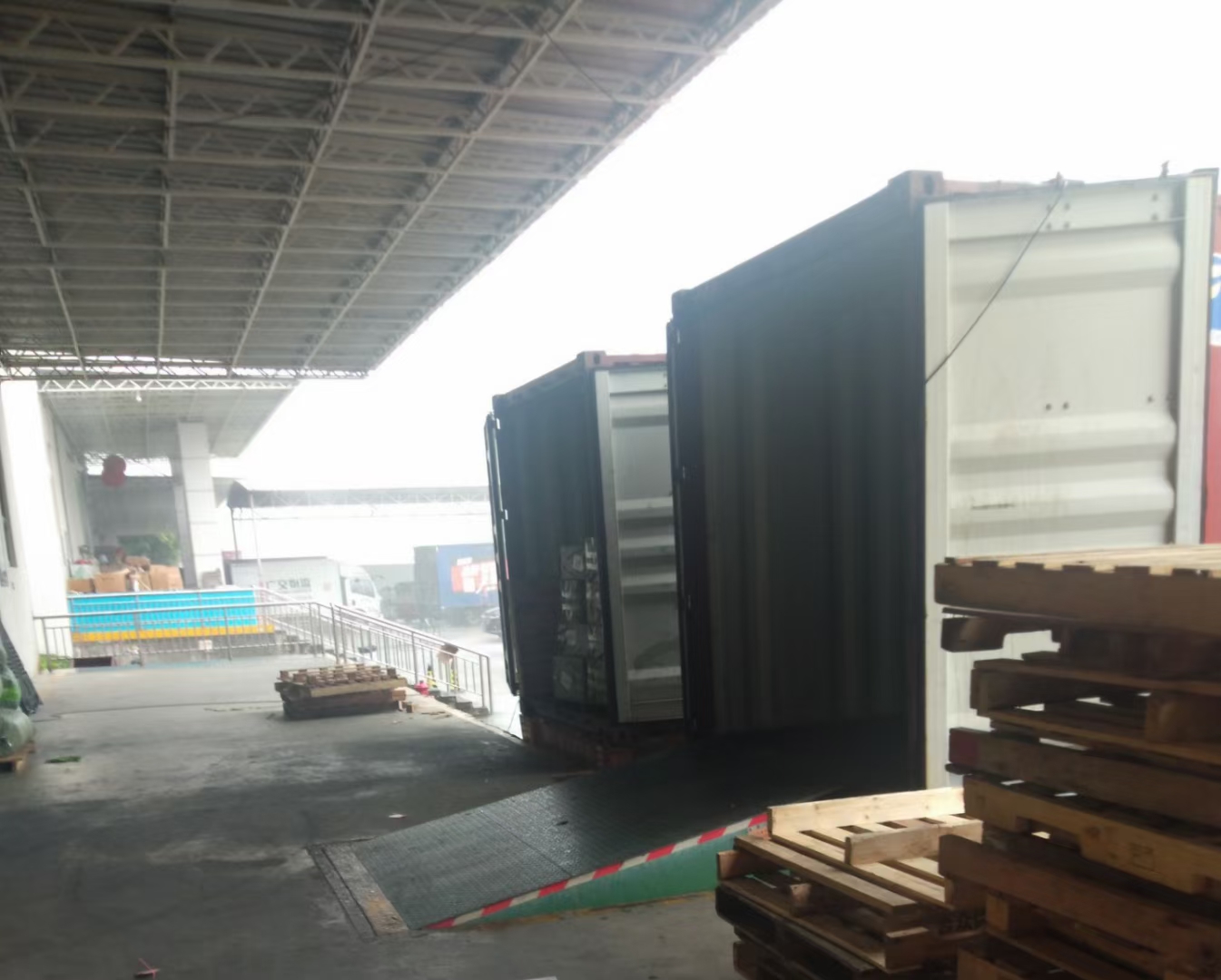
Sea freight is the most commonly used method for transporting large volumes of cargo between China and Germany. It is the most cost-effective option for heavy and bulk shipments.
Two types of sea freight services are available.
Full Container Load (FCL)
FCL shipping means a single shipment occupies the entire container. It is ideal for businesses shipping large quantities of goods.
Advantages of FCL shipping include:
- lower cost per unit for large shipments
- minimal handling of goods
- lower risk of damage
- faster loading and unloading
Common container sizes include:
- 20-foot container
- 40-foot container
- 40-foot high cube container
Less than Container Load (LCL)
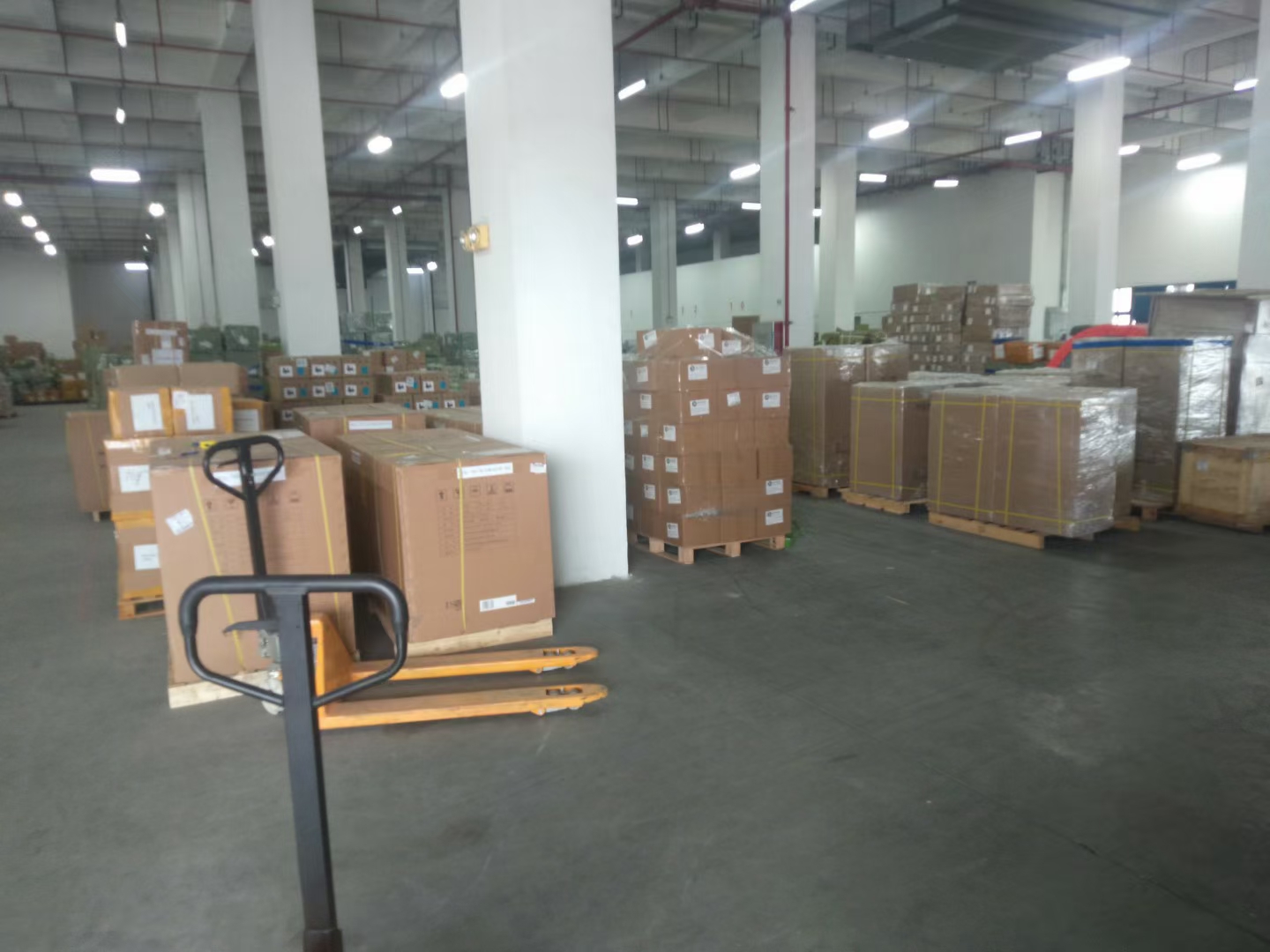
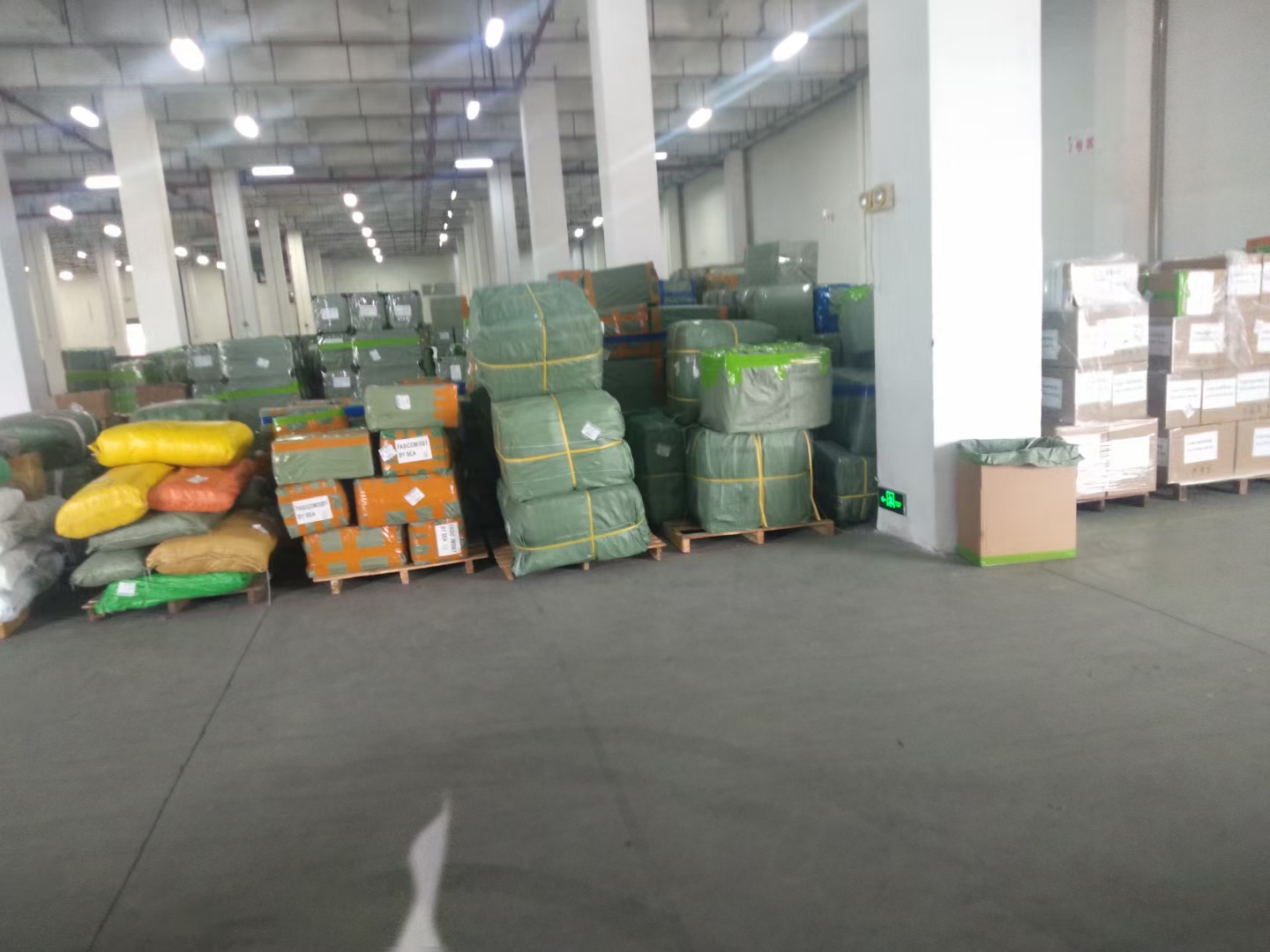
LCL shipping allows multiple shipments from different exporters to share container space.
Advantages of LCL include:
- suitable for small shipments
- flexible shipping volumes
- cost-effective for small businesses
However, LCL shipments may take longer due to consolidation and deconsolidation at warehouses.
Air Freight
Air freight is the fastest transportation method compared to sea freight. It is commonly used for urgent or high-value shipments.
Air freight is often used for:
- electronics
- medical devices
- fashion and apparel
- high-value consumer products
Advantages of air freight include:
- fast delivery
- reliable schedules
- secure cargo handling
The main disadvantage is the higher cost compared to ocean freight.
Rail Freight
Rail freight between China and Germany has become increasingly popular with the development of the China–Europe railway network. Rail freight offers a balance between cost and speed.
Advantages of rail freight include:
- faster than sea freight
- cheaper than air freight
- consistent transit schedules
Rail freight is ideal for electronics, machinery, automotive components, and industrial products.
Shipping Cost from China to Germany
Shipping costs depend on cargo size, weight, transportation method, and market conditions.
Factors Affecting Shipping Cost
Freight costs are influenced by:
- cargo volume and weight
- transportation method
- fuel prices
- seasonal demand
- port congestion
- customs duties and taxes
Sea Freight Cost
Sea freight is generally the most cost-effective option for large shipments. Costs depend on container size and shipping route.
Typical charges include:
- ocean freight fees
- port handling fees
- documentation fees
- customs clearance costs
- inland transportation
Air Freight Cost
Air freight charges are based on the greater value between actual weight and volumetric weight.
Due to its speed and convenience, air freight is significantly more expensive than sea freight.
Shipping Time from China to Germany
Transit time varies depending on the shipping method and route.
Sea Freight Transit Time
Sea freight shipments from China to Germany usually take 28 to 40 days, depending on the ports used and shipping schedule.
Air Freight Transit Time
Air freight typically takes 3 to 7 days, including cargo handling and customs clearance.
Rail Freight Transit Time
Rail freight from China to Germany generally takes 15 to 20 days, offering a balance between cost and speed.
Major Export Ports in China
China has several major ports that handle international cargo exports.
Key export ports include:
- Shanghai
- Shenzhen
- Ningbo
- Guangzhou
- Qingdao
- Tianjin
- Xiamen
These ports operate regular shipping routes to Germany and other European countries.
Major Import Ports in Germany
Germany has several important ports for receiving international cargo shipments.
Major German ports include:
- Hamburg
- Bremerhaven
- Wilhelmshaven
- Lübeck
Hamburg is Germany’s largest container port and serves as a key gateway for cargo arriving from Asia.
Customs Clearance in Germany
All goods entering Germany must pass through customs clearance according to European Union regulations.
Importers must provide several documents, including:
- commercial invoice
- packing list
- bill of lading or air waybill
- customs declaration
- import documentation
Customs authorities inspect shipments to ensure compliance with EU regulations and calculate applicable duties and taxes.
Working with professional logistics providers can simplify customs clearance and reduce potential delays.
Door-to-Door Shipping from China to Germany
Many companies prefer door-to-door shipping services because they simplify international logistics.
Door-to-door shipping typically includes:
- cargo pickup from the supplier
- export customs clearance in China
- international transportation
- customs clearance in Germany
- final delivery to the destination
This allows businesses to focus on operations while logistics providers manage the transportation process.
Tips for Importing from China to Germany
Businesses should consider several key factors for smooth shipping:
Plan shipments in advance
Shipping schedules can be affected by holidays, peak seasons, and port congestion.
Choose the appropriate shipping method
Sea freight is ideal for large shipments, air freight for urgent deliveries, and rail freight as a cost-effective middle option.
Ensure accurate documentation
Incomplete or incorrect documents can cause customs delays.
Work with experienced freight forwarders
Professional logistics companies optimize shipping routes and manage international transport efficiently.
Benefits of Professional Freight Forwarding Services
Professional freight forwarders provide valuable assistance for international shipping operations.
Key benefits include:
- optimized shipping routes
- competitive freight rates
- customs clearance assistance
- shipment tracking systems
- logistics consulting services
These services reduce shipping risks and improve supply chain efficiency.
FAQ
How long does shipping from China to Germany take?
Sea freight usually takes 28 to 40 days, air freight takes 3 to 7 days, and rail freight takes 15 to 20 days.
What is the cheapest shipping method from China to Germany?
Sea freight is generally the most economical option for large shipments.
What documents are required to import goods into Germany?
Required documents include a commercial invoice, packing list, bill of lading or air waybill, and customs declaration.
Can small shipments be sent from China to Germany?
Yes. Small shipments can be shipped via LCL sea freight, air freight, or express courier services.
Is door-to-door shipping available from China to Germany?
Yes. Many logistics providers offer door-to-door services, including cargo pickup, international transport, customs clearance, and final delivery.
Shipping from China to Germany requires careful planning, choosing the right transportation method, and using reliable logistics services. Companies that understand the shipping process can reduce costs, improve delivery efficiency, and ensure smooth international trade operations.