


FCL Shipping from China: Full Container Load Solutions for Large Importers
Introduction
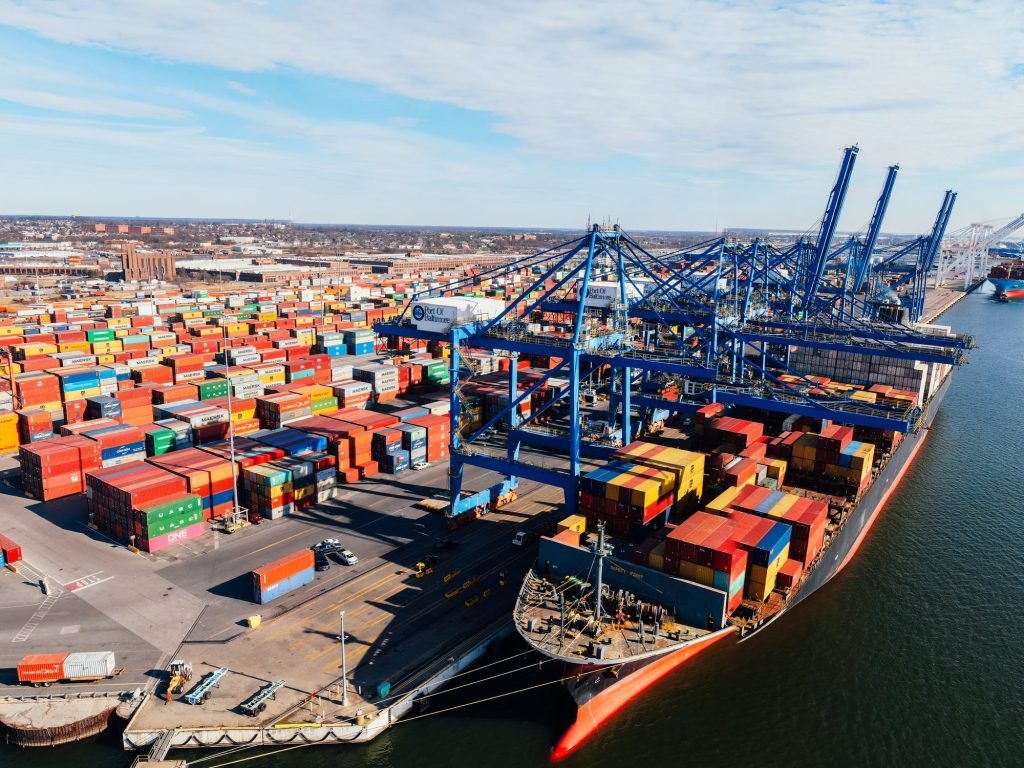
For businesses importing large volumes of goods from China to Europe, Full Container Load (FCL) shipping is the most efficient and cost-effective option. FCL allows an entire shipping container to be dedicated to a single importer, reducing handling risks and often lowering the cost per unit for large shipments.
This guide explains FCL shipping, including container options, transit times, costs, documentation, and tips for importers.
What is FCL Shipping?
FCL (Full Container Load) means that a shipment occupies an entire container, even if it does not reach the maximum volume or weight. Unlike LCL (Less than Container Load), FCL shipments are not consolidated with cargo from other exporters.
Key Features:
- Dedicated container for one shipment
- Reduced handling at ports
- Faster loading and unloading
- Lower risk of damage or loss
Advantages of FCL Shipping
1. Lower Cost per Unit for Large Shipments
When shipping large quantities, FCL usually costs less per cubic meter compared to LCL, making it ideal for bulk imports.
2. Faster Transit
FCL shipments do not require consolidation or deconsolidation, so cargo moves more quickly through ports.
3. Reduced Risk of Damage
Since the container is dedicated to a single shipment, there is less handling and lower risk of cargo being damaged.
4. Flexible Packaging and Cargo Types
FCL is suitable for a wide variety of goods, including oversized or fragile items, and allows customized container packing.
Container Options
Common FCL container types include:
- 20-foot standard container: 33 cubic meters capacity, suitable for medium-sized shipments
- 40-foot standard container: 67 cubic meters, ideal for large shipments
- 40-foot high cube container: 76 cubic meters, for taller cargo
- Special containers: Refrigerated, open-top, or flat-rack containers for specific cargo needs
FCL Shipping Process
Step 1: Cargo Pickup
Freight forwarders pick up goods directly from the supplier’s warehouse in China.
Step 2: Container Loading
Goods are carefully packed into the container. Proper loading ensures safety during transit and maximizes space utilization.
Step 3: Export Customs Clearance
Documents, including commercial invoice, packing list, and export declaration, are submitted to Chinese customs.
Step 4: International Transportation
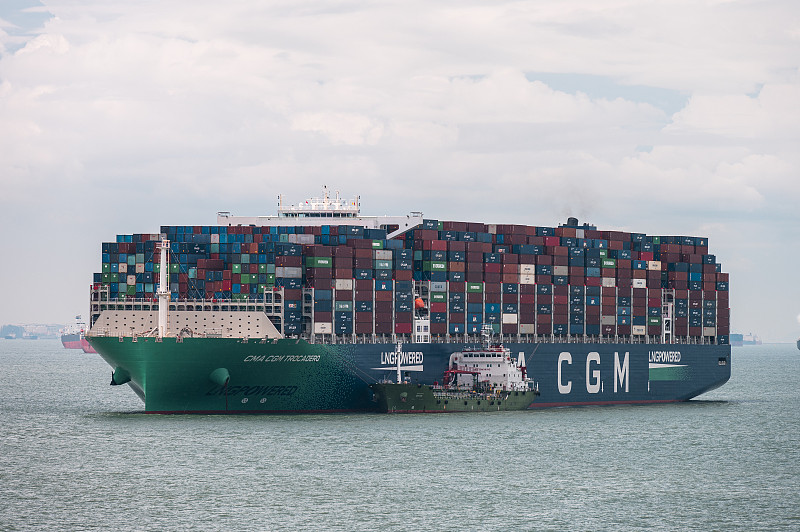
Containers are shipped via ocean freight to the destination port in Europe.
Step 5: Import Customs Clearance
Upon arrival, the container goes through customs inspection and duties/taxes are paid if required.
Step 6: Final Delivery
The container is transported to the importer’s warehouse or distribution center.
Transit Time
FCL shipping transit times vary depending on the origin and destination ports:
- China → Germany: 28–35 days
- China → France: 30–38 days
- China → Netherlands: 28–36 days
- China → Poland: 30–40 days
Delays may occur due to port congestion, customs inspections, or seasonal demand.
FCL Shipping Costs
Costs for FCL are determined by:
- Container type (20ft, 40ft, high cube)
- Shipping route and distance
- Cargo weight and volume
- Additional services (insurance, inland delivery, customs clearance)
Included in FCL cost:
- Container pickup and delivery
- Loading at origin
- Ocean freight charges
- Export and import customs clearance (optional depending on terms)
FCL is generally more cost-effective than multiple LCL shipments for large volumes.
When to Choose FCL
FCL is recommended for:
- Large shipments that fill a container or come close to capacity
- Cargo requiring dedicated handling
- Products sensitive to damage or contamination
- Businesses seeking lower per-unit shipping costs for bulk imports
Tips for FCL Shipping
- Optimize container space: Maximize efficiency by carefully packing the container.
- Use reliable freight forwarders: Ensure smooth customs clearance and on-time delivery.
- Plan shipments early: Avoid delays due to peak season congestion.
- Consider insurance: Protect high-value or fragile cargo during transit.
- Choose the right container type: Select refrigerated, open-top, or flat-rack containers if needed.
FAQ
How long does FCL shipping from China to Europe take?
Typically 28–40 days, depending on the ports and route.
Is FCL cheaper than LCL for large shipments?
Yes. FCL generally offers a lower cost per unit for large shipments.
Can FCL shipping handle fragile or oversized cargo?
Yes. Dedicated containers and special container types can accommodate sensitive or oversized goods.
Does FCL include customs clearance?
Customs clearance can be included if using DDP or door-to-door services.
Can small businesses use FCL?
FCL is most cost-effective for large shipments. Small businesses usually use LCL unless they have bulk orders.
FCL shipping from China provides a reliable, efficient, and cost-effective solution for businesses importing large volumes of goods. By selecting the right container type and working with experienced freight forwarders, importers can ensure safe and timely delivery to European markets.