

Warehousing and Distribution in Europe: Smart Storage Solutions for Importers
Introduction
After shipping goods from China to Europe, efficient warehousing and distribution become essential for maintaining a smooth supply chain. Proper storage solutions help businesses manage inventory, reduce delivery times, and improve customer satisfaction.
For importers, choosing the right warehouse strategy can significantly impact operational efficiency and overall logistics costs.
This guide explains how warehousing and distribution work in Europe, available options, costs, and best practices.
What is Warehousing and Distribution?
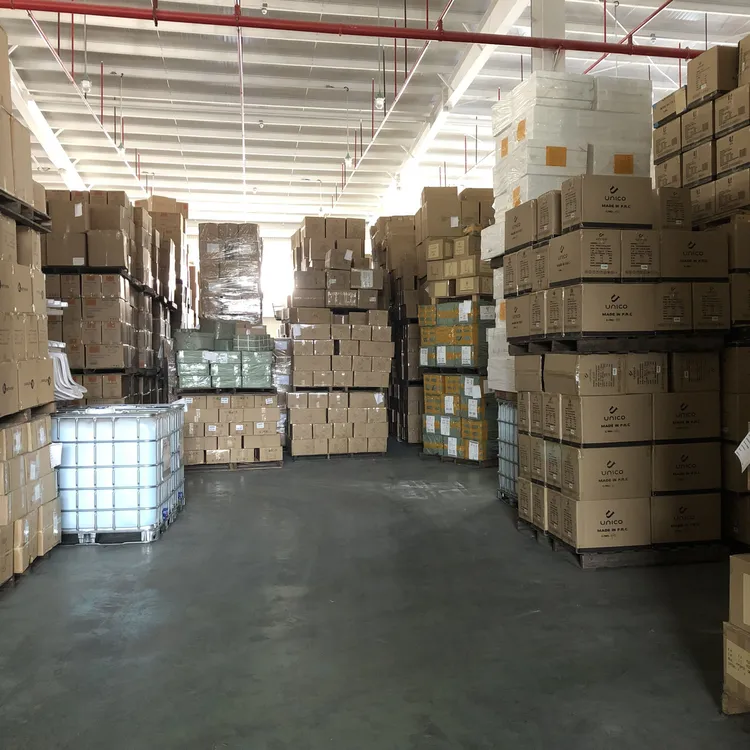
Warehousing refers to storing goods in a facility before they are sold or distributed. Distribution involves moving those goods from the warehouse to customers, retailers, or fulfillment centers.
Key Functions:
- inventory storage
- order processing
- packaging and labeling
- shipping and delivery coordination
Types of Warehousing in Europe
1. Public Warehouses
- shared facilities used by multiple businesses
- cost-effective for small and medium companies
- flexible storage options
2. Private Warehouses
- owned or leased by a single company
- full control over operations
- suitable for large businesses with high inventory
3. Bonded Warehouses
- goods stored without immediate payment of import duties and VAT
- duties are paid only when goods are released
- ideal for cash flow management
4. Fulfillment Centers
- specialized warehouses for e-commerce
- handle picking, packing, and shipping
- integrate with online sales platforms
Distribution Models
Direct Distribution
Goods are shipped directly from the warehouse to customers or retailers.
Hub-and-Spoke Model
Goods are stored in central warehouses and distributed to regional hubs before final delivery.
Dropshipping
Products are shipped directly from supplier to customer without storing inventory locally.
Warehousing Process
Step 1: Receiving Goods
Imported goods arrive at the warehouse after customs clearance.
Step 2: Inventory Storage
Products are stored based on size, category, and demand.
Step 3: Order Processing
Orders are received and prepared for shipment.
Step 4: Picking and Packing
Items are selected from storage and packed for delivery.
Step 5: Distribution
Goods are shipped to customers, retailers, or distribution centers.
Costs of Warehousing and Distribution
Key Cost Factors
- storage space (per pallet or cubic meter)
- handling fees (loading/unloading)
- labor costs
- order processing and packaging
- transportation and delivery
Efficient warehouse management can reduce overall logistics costs.
Benefits of Warehousing in Europe
Faster Delivery
Storing goods closer to customers reduces delivery time.
Better Inventory Control
Warehouses help track stock levels and avoid shortages.
Cost Optimization
Bulk shipping to warehouses reduces per-unit transportation costs.
Improved Customer Experience
Faster and more reliable delivery increases customer satisfaction.
Choosing the Right Warehouse Location
Key European logistics hubs include:
- Central Europe (Germany, Poland)
- Western Europe (Netherlands, Belgium)
- Southern Europe (France, Italy)
Choosing a strategic location reduces delivery time and transportation costs.
Tips for Efficient Warehousing
- Use inventory management systems: Track stock levels in real time.
- Optimize storage layout: Improve picking and packing efficiency.
- Work with experienced providers: Professional operators reduce errors.
- Plan inventory levels: Avoid overstocking or stock shortages.
- Integrate logistics systems: Connect warehouse data with sales platforms.
Role of Technology in Warehousing
Modern warehouses use advanced technology:
- warehouse management systems (WMS)
- barcode and RFID tracking
- automation and robotics
- real-time inventory monitoring
These tools improve efficiency and reduce operational costs.
FAQ
What is a bonded warehouse?
A warehouse where goods can be stored without paying import duties until they are sold or released.
How much does warehousing cost in Europe?
Costs vary depending on location, storage space, and services required.
Is warehousing necessary for e-commerce?
Yes, especially for fast delivery and inventory management.
Can small businesses use European warehouses?
Yes, public warehouses and fulfillment centers are suitable for small businesses.
Does warehousing include delivery?
Distribution services can be included, depending on the logistics provider.
Warehousing and distribution in Europe play a vital role in international logistics. By choosing the right storage solutions, optimizing inventory management, and working with reliable logistics partners, importers can reduce costs, improve efficiency, and deliver products faster to their customers.