

Introduction
China is the world’s largest manufacturing hub and the backbone of global trade. Every day, millions of shipments leave Chinese factories and ports heading to the USA, Europe, Africa, the Middle East, and other regions.
For importers, understanding China international shipping is essential to reduce costs, avoid delays, and ensure smooth delivery. This guide explains everything you need to know about shipping from China in 2026, including methods, costs, transit times, and best practices.
Why China Is the Center of Global Shipping
China dominates international logistics because of:
- Large-scale manufacturing capacity
- Low production costs
- Strong export infrastructure
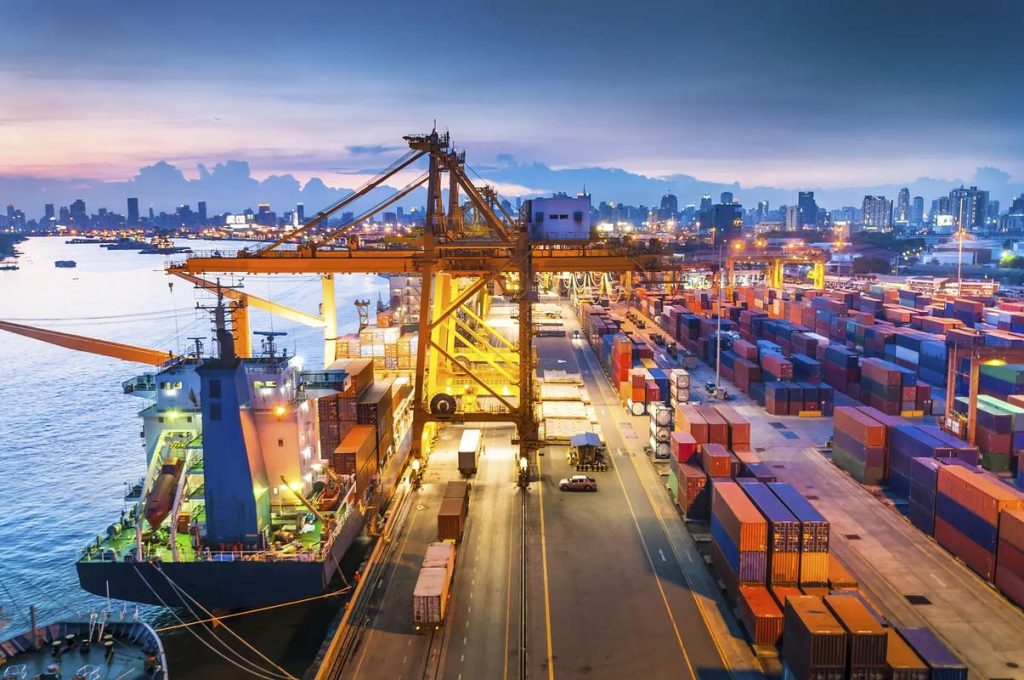
- Advanced port systems (Shanghai, Shenzhen, Ningbo)
- Experienced freight forwarding network
👉 This makes China the first choice for global importers.
Main International Shipping Methods from China
There are four main shipping options used in global trade:
1. Sea Freight (Most Common Method)
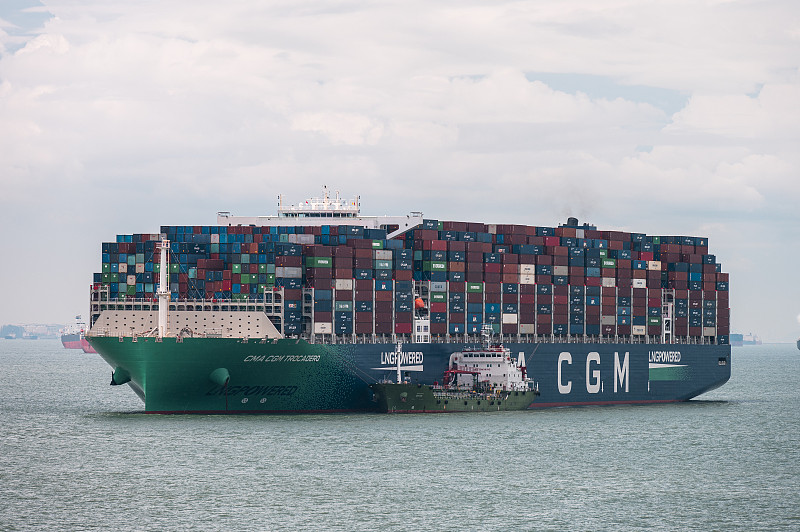
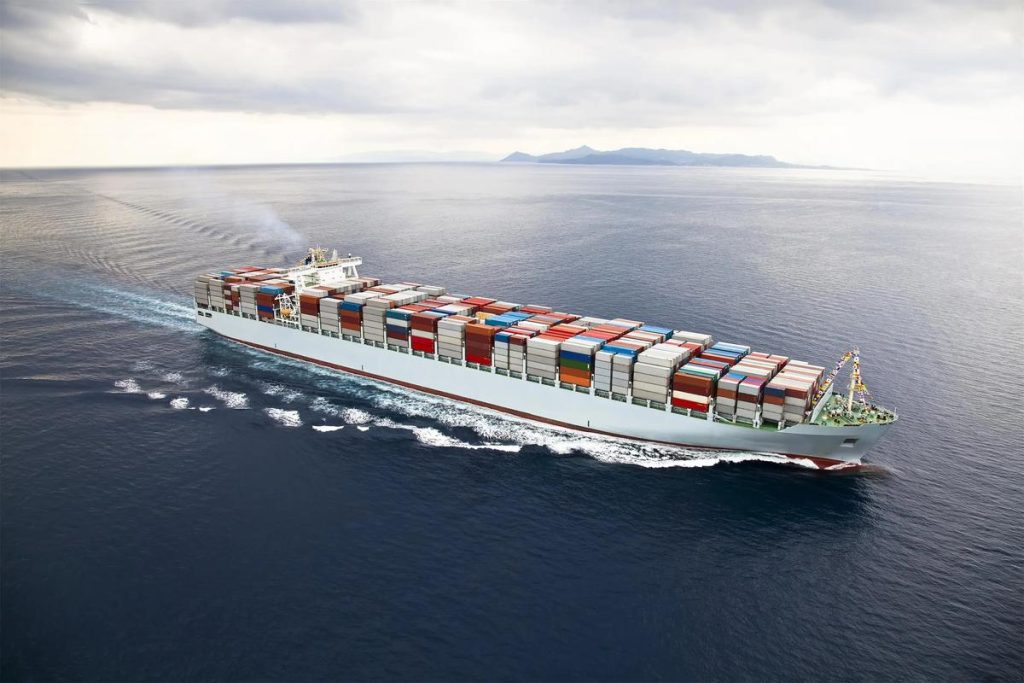
Sea freight is the most widely used international shipping method from China.
Advantages:
- Lowest cost option
- Suitable for bulk cargo
- Works for all global destinations
Types of Sea Freight:
LCL (Less than Container Load)
- Share container space
- Pay per CBM
- Ideal for small shipments
💰 Cost: $80 – $200 per CBM
FCL (Full Container Load)
- Full container booking
- Best for large shipments
- Lower cost per unit
💰 Cost:
- 20FT: $1,500 – $3,500
- 40FT: $2,500 – $5,500
Transit Time:
- 20–45 days depending on destination
2. Air Freight (Fast Delivery Option)
Air freight is used when speed is important.
Advantages:
- Fast transit time
- Reliable schedules
- Suitable for urgent goods
Cost:
- $4 – $10 per kg
Transit Time:
- 3–10 days
3. Express Shipping (Courier Services)
Express shipping includes DHL, FedEx, UPS, and other global couriers.
Advantages:
- Fastest delivery method
- Door-to-door service
- Easy tracking
Cost:
- $6 – $15 per kg
Transit Time:
- 3–7 days
4. DDP Shipping (All-Inclusive Door-to-Door)
DDP shipping is becoming very popular among importers.
What It Includes:
- Pickup from supplier
- Export customs clearance
- International transport
- Import taxes and duties
- Final delivery
Cost:
- Sea DDP: $100 – $200 per CBM
- Air DDP: $6 – $12 per kg
Key Factors That Affect Shipping Costs
1. Shipping Method
Sea is cheapest, air is faster but more expensive.
2. Cargo Volume and Weight
- Sea freight uses CBM
- Air freight uses weight
3. Destination Country
Shipping to USA, Europe, and remote areas has different pricing.
4. Seasonal Demand
Prices increase during:
- Chinese New Year
- Christmas season
- Global peak retail periods
5. Customs and Taxes
Each country has its own import duty rules.
Common Shipping Routes from China
- China → USA (West Coast: 15–25 days sea freight)
- China → Europe (25–40 days sea freight)
- China → Canada (25–40 days sea freight)
- China → Middle East (15–30 days sea freight)
- China → Australia (20–35 days sea freight)
How to Reduce International Shipping Costs
1. Choose the Right Method
Match cargo size with logistics option.
2. Consolidate Shipments
Combine multiple orders to reduce cost per unit.
3. Optimize Packaging
Reduce volume (CBM) to lower sea freight costs.
4. Avoid Peak Seasons
Plan shipments in advance.
5. Work with Reliable Freight Forwarders
They help reduce hidden costs and improve efficiency.
Common Mistakes Importers Make
- Choosing shipping method only by price
- Ignoring customs regulations
- Not checking total landed cost
- Poor packaging design
- Working with unreliable logistics providers
Why Freight Forwarders Are Important
A professional freight forwarder helps:
- Manage customs clearance
- Reduce shipping costs
- Handle documentation
- Arrange door-to-door delivery
- Avoid delays and risks
Conclusion
China international shipping is the foundation of global trade. With multiple shipping options like sea freight, air freight, express, and DDP, importers can choose the best solution based on cost, speed, and business needs.
For most businesses:
- Sea freight = best for bulk and low cost
- Air freight = best for speed
- Express = best for urgent small shipments
- DDP = best for beginners and simplicity
By understanding how international shipping from China works, importers can reduce risks, save money, and build a more efficient global supply chain.
Tags
China international shipping, freight forwarder China, sea freight China, air freight China, DDP shipping China, express shipping China, import from China, logistics China guide, global shipping solutions, China export logistics