


Crisis Management: Red Sea Escalation? How Top Chinese Freight Forwarders Help You Tackle Rerouting & Rate Volatility
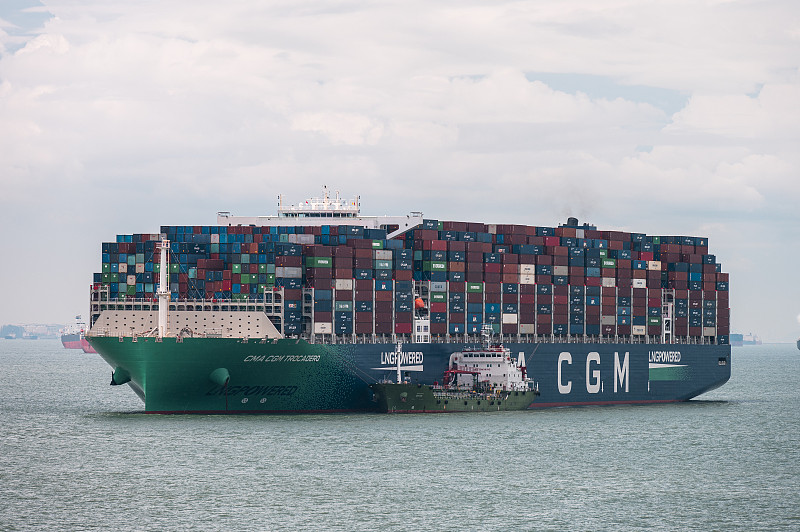
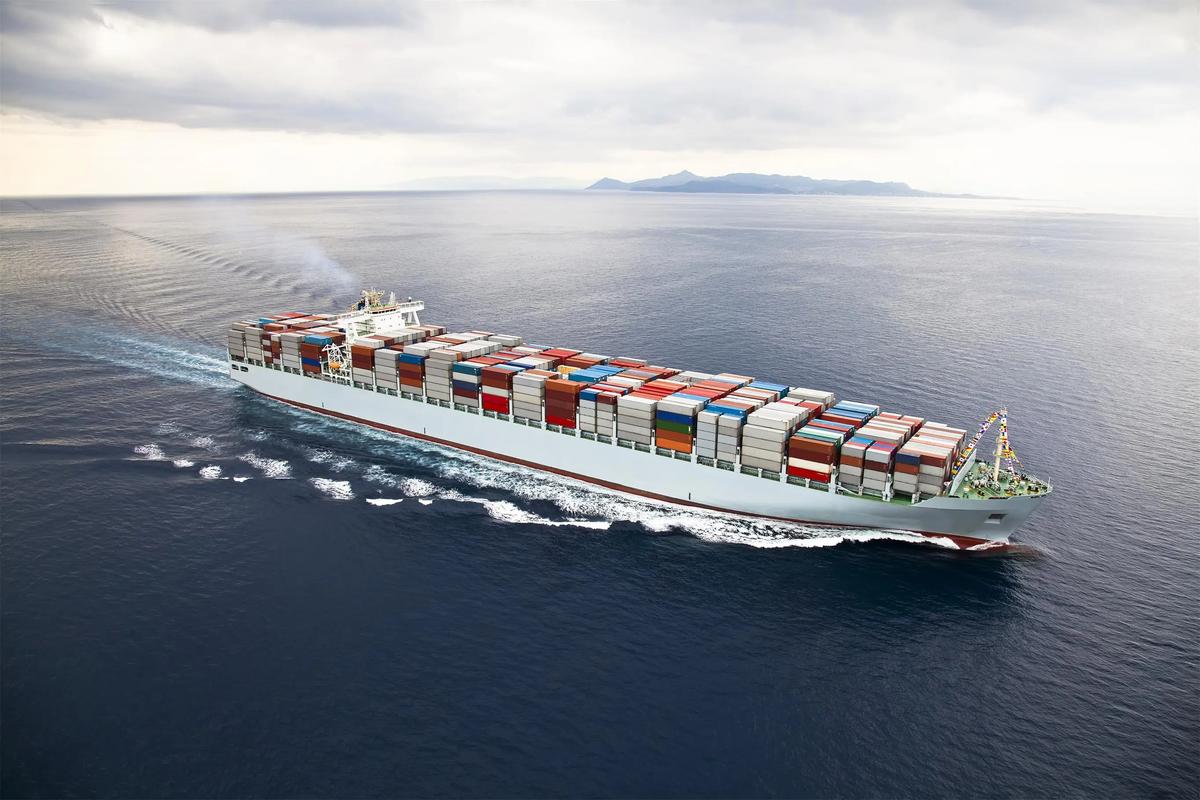
The Red Sea crisis is no longer breaking news—it’s the new normal. What started as a temporary disruption has evolved into a prolonged logistical nightmare. With vessels continuously rerouting around the Cape of Good Hope, global supply chains are feeling the heat.
Longer transit times, skyrocketing ocean freight rates, and severe equipment shortages have left many importers scrambling. But while the crisis is global, the solutions are often local.
Top Chinese freight forwarders—the veteran navigators of global trade—have stepped up with battle-tested strategies to keep your supply chain moving. Here is how the pros are helping businesses survive, adapt, and thrive amidst the chaos.
⏳ 1. Rethinking Lead Times: The “New Normal” Timeline
The most immediate impact of the Red Sea escalation is the massive time sink. Diverting around Africa adds 10 to 15 extra days to Europe-bound shipments.
- The Forwarder’s Strategy: Elite Chinese forwarders are aggressively shifting clients away from reactive planning. They utilize predictive analytics to map out “worst-case” scenarios, helping you build a mandatory 2-3 week buffer into your production cycles.
- Pro Tip: Stop treating the Red Sea detour as a delay; treat it as a permanent extension of your transit time. Your forwarder should provide dynamic, weekly updated timeline projections rather than static estimates.
💰 2. Taming the Cost Beast: Smarter Procurement & Budgeting
As transit times stretch, so do the costs. The combination of longer voyages, soaring bunker surcharges (BAF), and congestion premiums has made budgeting a nightmare.
- The Forwarder’s Strategy: How do you lock in costs when the market is this volatile? Top forwarders leverage their massive booking volumes to negotiate block space agreements (BSA) or long-term contracts with designated carriers. This shields your business from peak-season spot rate spikes. Furthermore, they actively advise on switching from FCL (Full Container Load) to LCL (Less than Container Load) for smaller, more frequent shipments to maintain cash flow.
🔄 3. Multi-Modal Pivots: Thinking Beyond the Ocean
When ocean freight becomes too slow or expensive, the best logistics partners don’t just shrug—they pivot.
- The Forwarder’s Strategy: Chinese forwarders are masters of multi-modal transport. To combat severe delays on European routes, many are offering seamless Air-Ocean or China-Europe Railway (CR Express) alternatives. By trucking goods from Western China to Europe in 18-20 days, or utilizing express air freight for critical components, they create a hybrid supply chain that ensures your production lines never stop.
📦 4. Equipment & Space Allocation: Securing the Lifelines
With vessels tied up in longer rotations, the ripple effect includes severe container and chassis shortages at major Chinese ports like Shanghai and Ningbo.
- The Forwarder’s Strategy: This is where a forwarder’s network truly shines. Top-tier agents have pre-negotiated equipment guarantees with carriers. If standard 40HCs are unavailable, they proactively secure alternative equipment or suggest optimal consolidation plans at their private bonded warehouses to maximize space utilization.
📡 5. Radical Transparency: End-to-End Visibility
In a crisis, ignorance is not bliss—it’s a business killer. Guessing where your cargo is simply isn’t an option anymore.
- The Forwarder’s Strategy: The best forwarders act as an extension of your own team. They provide real-time tracking dashboards and proactive contingency alerts. If a vessel is delayed or rolled, you shouldn’t hear it from your end customer; your forwarder should have already presented you with a mitigation plan.
💡 The Bottom Line: Turn Crisis into Opportunity
The Red Sea disruption is a stress test for your entire supply chain. While you can’t control geopolitical tensions, you can control who you partner with to navigate them.
A basic forwarder will just quote you a price. A top Chinese freight forwarder will analyze your inventory velocity, audit your Incoterms, optimize your packaging for maximum space usage, and provide a multi-modal backup plan before you even ask for it.
Don’t let the Red Sea crisis capsize your business. Audit your logistics strategy today, build in the necessary buffers, and partner with experts who can turn this global headache into a competitive advantage.