

Shipping standard commodities like textiles or furniture is easy. But if you are manufacturing electronics, electric bikes, or cosmetic liquids containing lithium batteries or flammable materials, you know the harsh reality: Most forwarders will say “NO” to you.
The truth is, 90% of standard freight forwarders lack the certifications, the expertise, or the guts to handle Dangerous Goods (DG). Trying to “hide” the battery label to save trouble often leads to catastrophic results—confiscation, massive fines, or blacklisting by carriers.
If you need a partner who actually specializes in this, here is what you need to know to ship safely and legally.
1. Why General Forwarders Fail at DG Shipping
General forwarders operate on volume and simplicity. When they see a UN38.3 test report or a MSDS (Material Safety Data Sheet) that mentions “Class 9,” they panic. They don’t have the DG packing manuals, the certified DG packers, or the contracts with carriers who accept hazardous cargo.
We don’t panic. We specialize in it. We understand that a Power Bank requires different handling than a Lithium-Ion Electric Scooter Battery.
2. The “Paperwork” is Actually Protection
The biggest bottleneck for battery shipping isn’t the boat or the plane—it’s the documentation.
- MSDS/SDS: We help you verify that your chemical safety data is compliant with IATA (Air) and IMDG (Sea) regulations.
- UN38.3 Certification: Essential for lithium batteries. We ensure your files are audit-ready.
- DG Declarations: One wrong checkbox can get your shipment seized. Our licensed DG specialists handle the filing with 100% accuracy.
3. Safety First: Packing and Warehousing
You cannot just throw a battery into a cardboard box.
- Certified Packaging: We use UN-approved packaging (specific inner boxes, cushioning, and outer cartons) to prevent short circuits and impact damage.
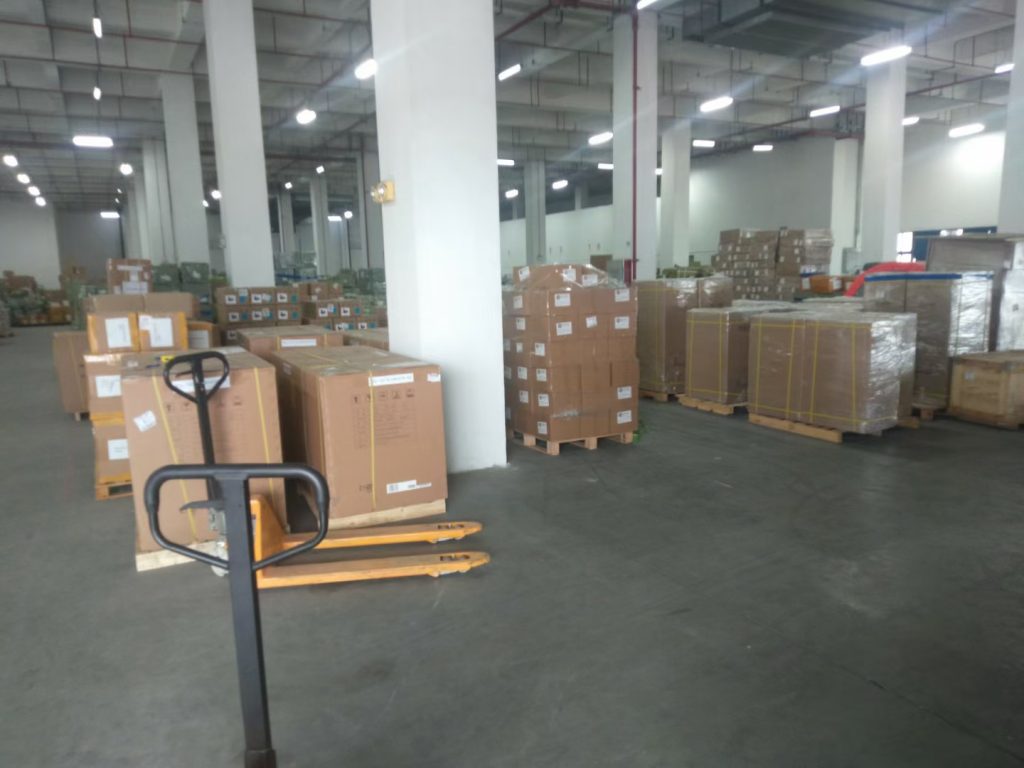
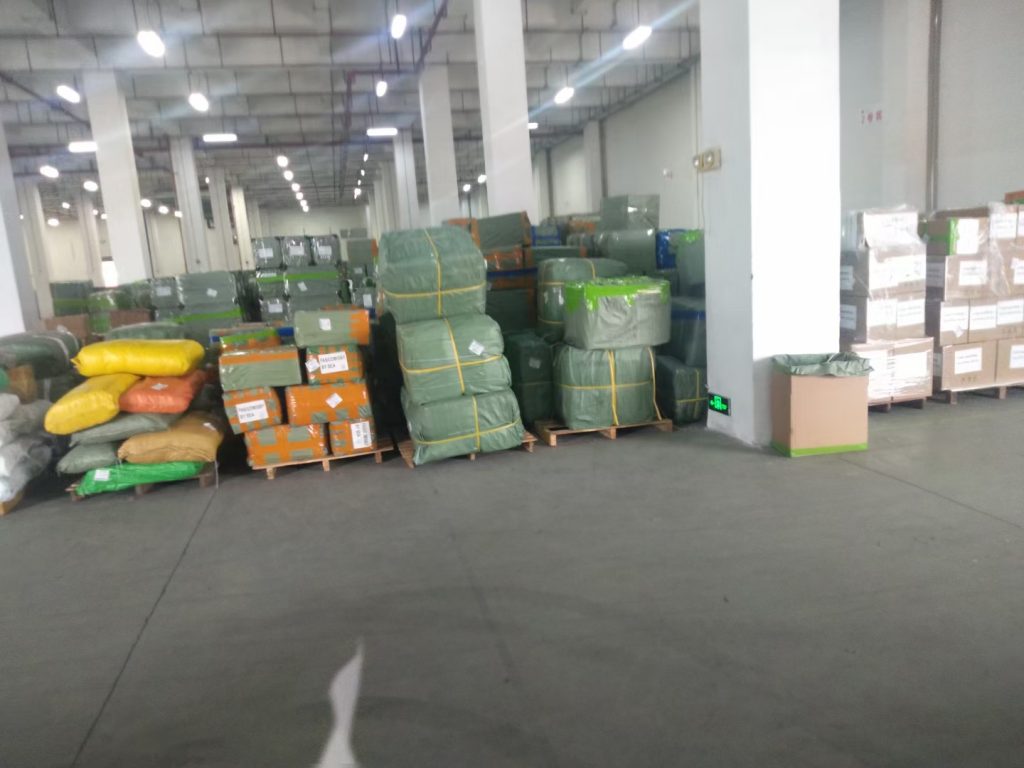
- DG Warehouses: Your goods are stored in specialized warehouses in Shenzhen, Guangzhou, and Shanghai that are licensed to hold hazardous materials, keeping your goods safe before departure.
4. Securing Space When Others Can’t
Even during peak seasons when space is tight, carriers allocate specific slots for DG cargo. Because we maintain strong relationships with airlines and shipping lines (like CMA CGM or Cathay Pacific) specifically for hazardous goods, we can secure the space that general forwarders are denied.
5. Case Study: The “Exploding” Risk
A client recently tried to ship 500 units of a new beauty device with built-in lithium batteries via a cheap forwarder. The forwarder told them to “just declare it as a normal gift.”
We intervened. We re-classified the goods correctly as DG, repacked them in UN-certified boxes, and filed the proper declarations. Yes, the freight cost was slightly higher, but the client avoided a $20,000 fine and the risk of their goods being destroyed by customs.
Don’t Gamble with Your Shipment
If you are sourcing products with batteries or hazardous components, don’t leave it to chance. You need a logistics partner who speaks the language of compliance and safety.
Let us handle the complexity, so you can focus on the commerce.
Call to Action:
Shipping Batteries, Power Banks, or Chemicals? Get a specialized DG quote today. We’ll tell you exactly what’s needed to ship compliantly.