

Shipping goods from China to Africa presents a unique set of opportunities and challenges. Unlike the mature trade lanes to the US or Europe, the African logistics market is diverse and rapidly evolving. For importers targeting the economic hubs of Nigeria (Lagos/Apapa) and Kenya (Mombasa/Nairobi), finding a China freight forwarder to Africa with competitive rates and local expertise is the key to unlocking profitability.
The rise of the “AfCFTA” (African Continental Free Trade Area) has increased trade volumes, but navigating port congestion and varying customs regimes requires a specialist touch.
The Main Trade Routes: Sea, Air, and Rail
1. Ocean Freight: The Backbone of Africa Trade
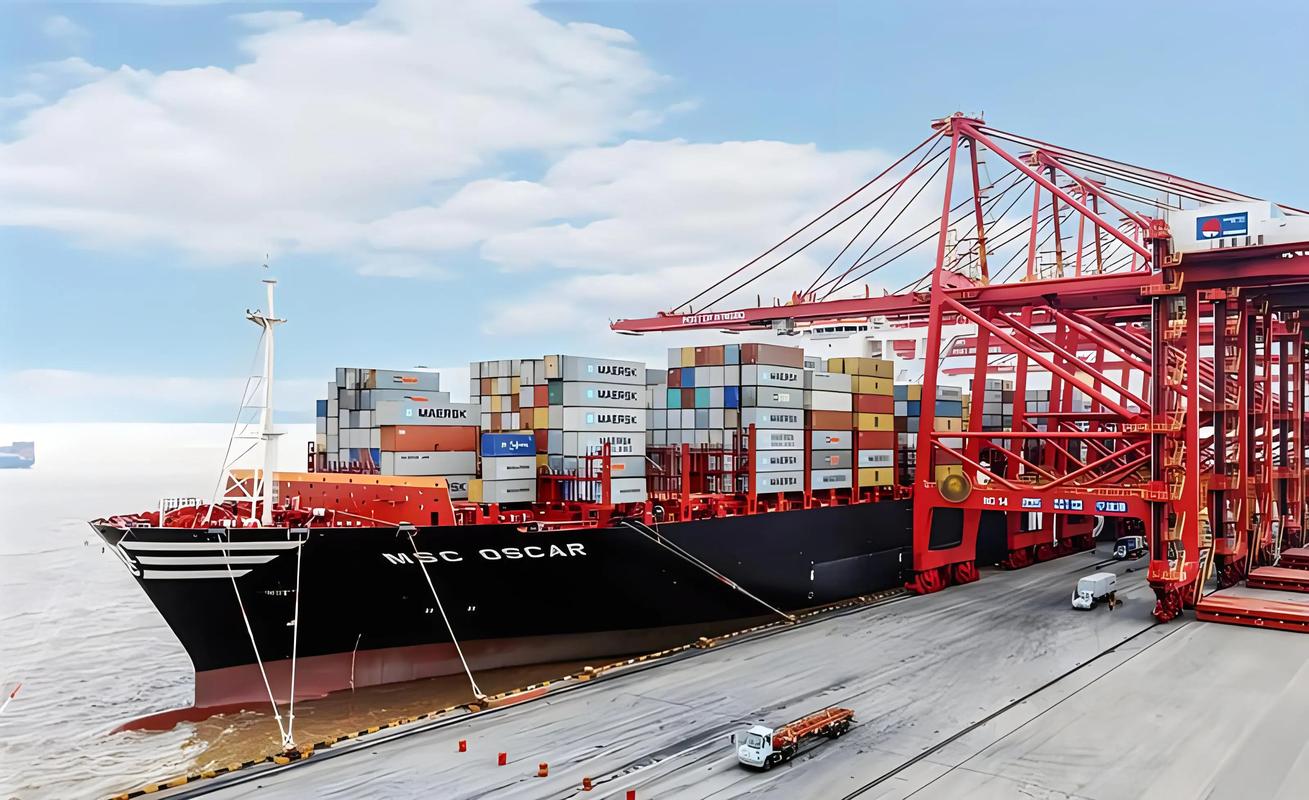
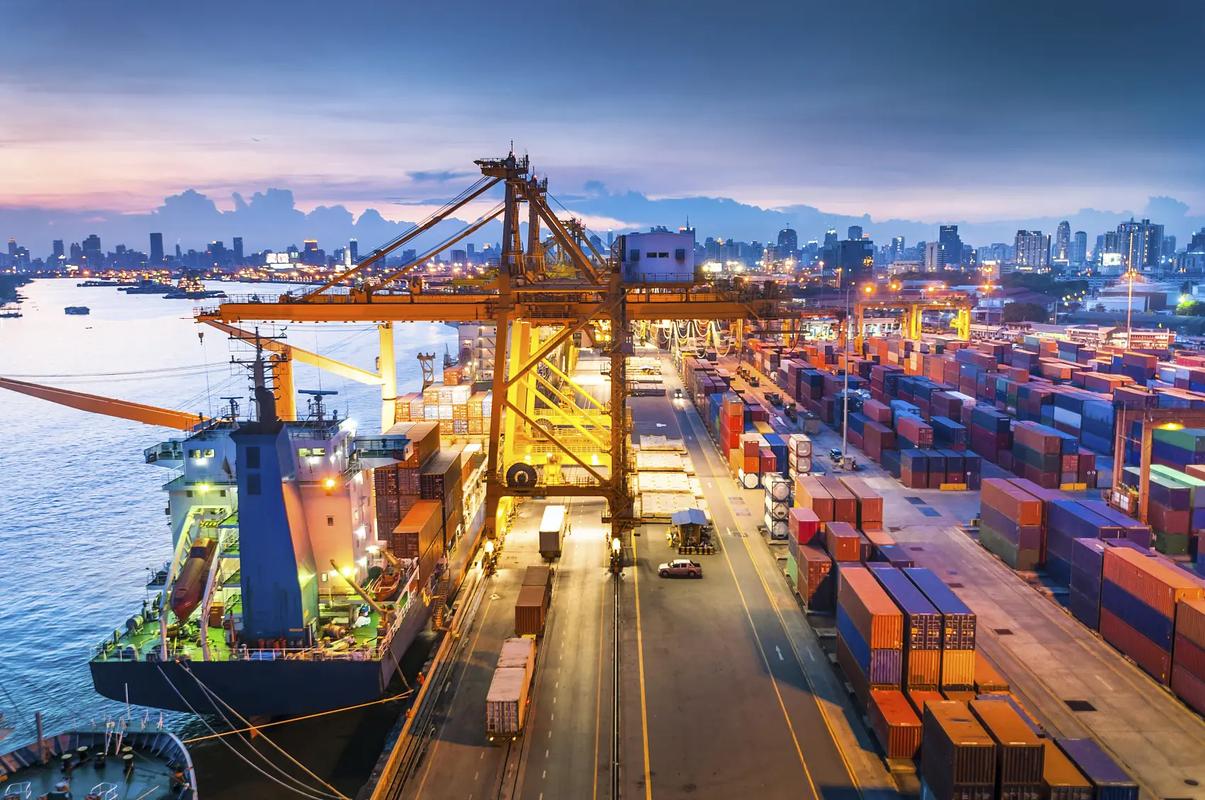
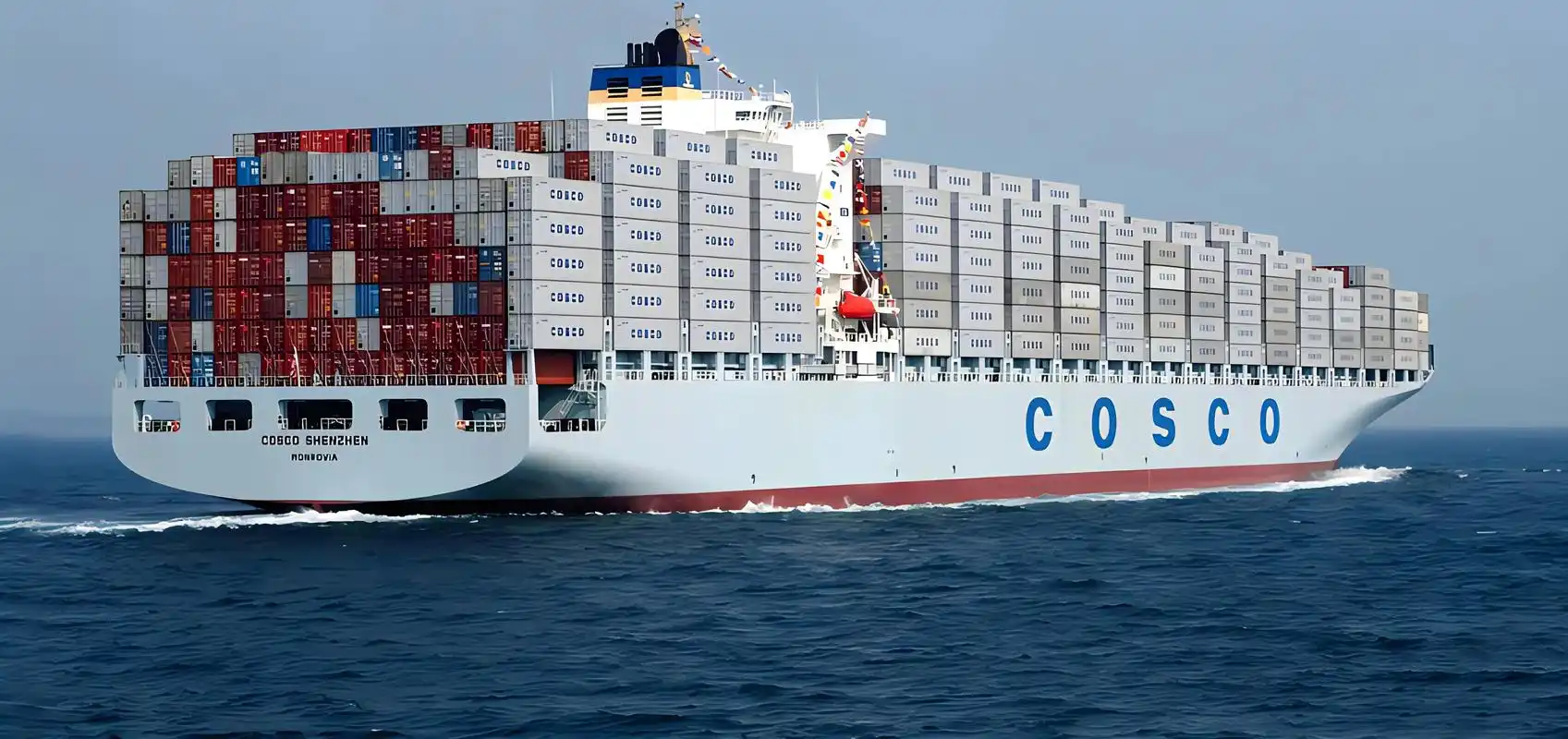
For most importers, sea freight is the most economical choice.
- West Africa (Nigeria): The primary gateway is the Port of Apapa or Tin Can Island in Lagos. Due to notorious port congestion, a good forwarder must offer “Pre-Clearance” services to ensure goods don’t sit at the terminal accumulating demurrage.
- East Africa (Kenya): The Port of Mombasa serves as the entry point. From there, goods often move via the “Madaraka Express” railway or trucking to the inland dry port of Nairobi.
2. Air Freight: Speed to Jomo Kenyatta & Murtala Muhammed
For high-value electronics or urgent samples, air freight to Nairobi (NBO) or Lagos (LOS) is available. However, note that airport customs in Africa can be stringent regarding valuation, requiring a forwarder who understands local documentation nuances.
Understanding the Cost Structure
Competitive rates to Africa aren’t just about the ocean freight; they involve a complex web of local charges.
| Cost Component | Description | Tip for Savings |
|---|---|---|
| Ocean Freight | Base cost from Shanghai/Shenzhen to Mombasa/Lagos. | Book 3-4 weeks in advance to avoid peak surcharges. |
| Terminal Handling (THC) | Charged by the port in Africa. | High in Nigeria; ensure your quote includes this. |
| Customs Duties | Varies by country (Kenya uses EAC rates, Nigeria has high tariffs). | Ensure your HS Code is classified correctly. |
| Haulage/Trucking | Moving from Port to Inland Container Depots (ICDs). | Consolidate shipments to save on per-unit trucking costs. |
Key Challenges in Nigeria & Kenya
1. Port Congestion (Nigeria)
Lagos ports are famous for traffic jams and delays. A reliable forwarder will utilize Bonded Terminals outside the main port to clear goods faster, saving you thousands in storage fees.
2. The “Form M” & “PAAR” (Nigeria)
Nigerian importers must deal with “Form M” (import permit) and “PAAR” (Pre-Arrival Assessment Report). Your forwarder must verify that these documents are perfectly aligned with your commercial invoice before the ship even leaves China.
3. IDF & Railway (Kenya)
Kenya imposes an Import Declaration Fee (IDF). Additionally, utilizing the standard gauge railway from Mombasa to Nairobi is often faster and cheaper than trucking; a good forwarder will automatically book rail slots for you.
Why Local Partnerships Matter
The best China freight forwarders to Africa don’t just drop the container at the port; they have a strong “Last-Mile” partner on the ground.
- In Nigeria: They need contacts to navigate the “Agents” at Apapa to avoid bribes and delays.
- In Kenya: They need relationships with the Kenya Revenue Authority (KRA) to facilitate smooth digital clearance.
Conclusion
To succeed in the African market, you need more than just a cheap price; you need resilience against delays. By choosing a forwarder who specializes in Nigeria and Kenya, you leverage their experience in handling complex customs and congested ports, ensuring your goods arrive on time and within budget.