

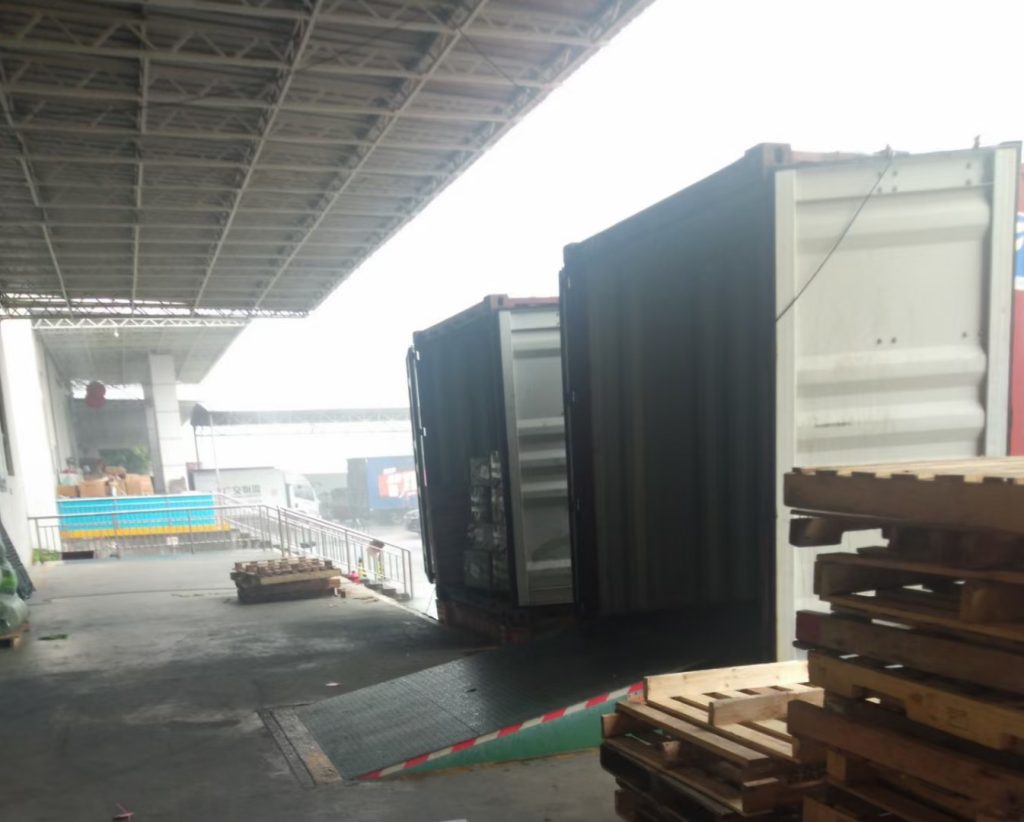
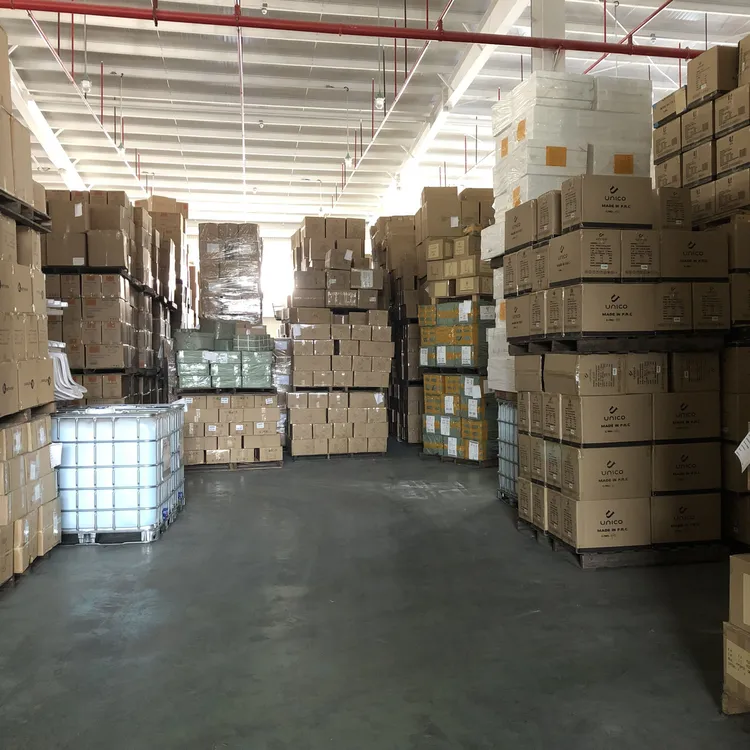
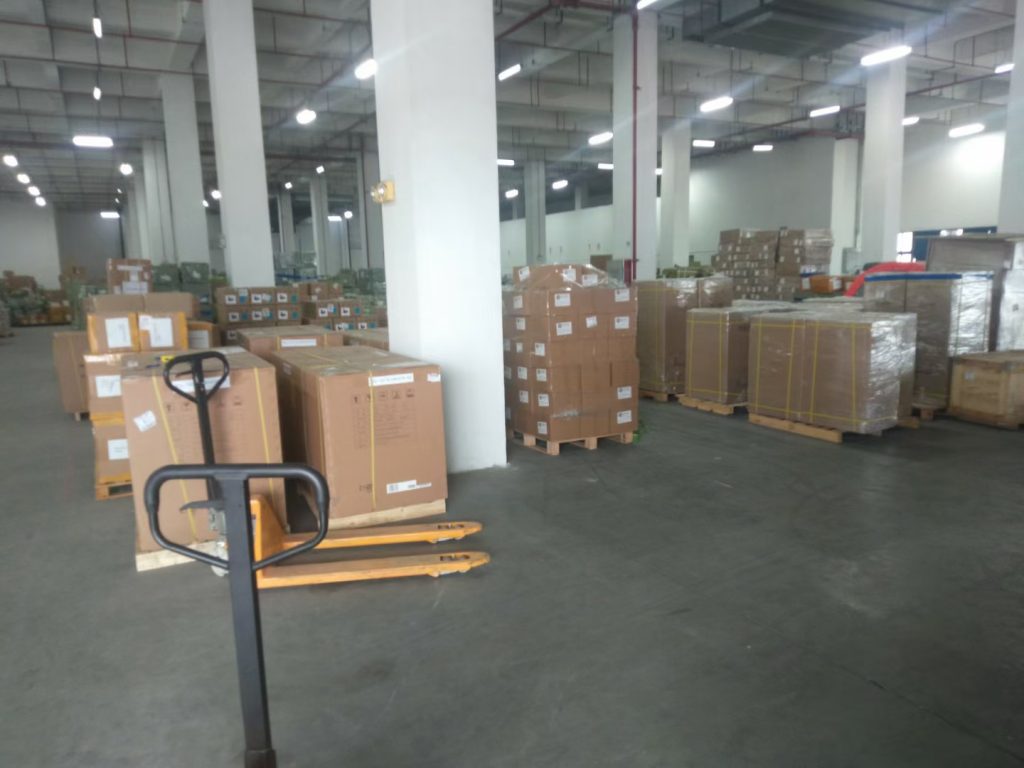
For importers, wholesalers, Amazon sellers, distributors, and small businesses, shipping small cargo from China to the United States can be challenging and expensive if not planned correctly. When cargo volume is too small for a full container, LCL shipping (Less Than Container Load) becomes one of the most practical and cost-effective logistics solutions.
But one question is asked most often:
How much does LCL shipping from China to the USA cost?
The answer depends on cargo volume, destination port, customs requirements, warehouse charges, shipping season, and final delivery needs.
This guide explains LCL sea freight cost, transit time, pricing factors, customs clearance, shipping process, and how to reduce logistics expenses.
What Is LCL Shipping From China to the USA?
LCL (Less Than Container Load) shipping means your cargo shares a container with shipments from other customers.
Instead of paying for an entire container, you only pay for the space your cargo occupies.
LCL shipping is suitable for:
- Small businesses
- First-time importers
- Amazon FBA sellers
- E-commerce companies
- Buyers sourcing from multiple factories
Typical cargo includes:
- Furniture
- Lighting products
- Electronics
- Home supplies
- Building materials
- Machinery parts
- Packaging materials
If your shipment volume is below approximately 15CBM, LCL shipping is often more economical than booking a full container.
How Much Does LCL Shipping From China to the USA Cost?
LCL shipping rates vary depending on shipping route, cargo size, destination city, customs fees, and seasonal demand.
Estimated LCL Shipping Cost
| Shipping Route | Transit Time | Estimated Price |
|---|---|---|
| China to Los Angeles | 18–35 days | From $80–$180/CBM |
| China to New York | 28–45 days | From $120–$250/CBM |
| China to Houston | 25–40 days | From $100–$220/CBM |
| China to Chicago | 30–45 days | From $120–$260/CBM |
Prices change based on:
- Shipping season
- Fuel surcharge
- Port congestion
- Cargo type
- Customs inspection
- Final destination
Peak season usually results in higher shipping costs.
Factors That Affect LCL Shipping Cost
Several factors influence freight pricing.
1. Cargo Volume (CBM)
LCL shipping is normally charged by cubic meter (CBM).
The more space your shipment occupies, the higher the freight cost.
For example:
- 1CBM small cargo = lower freight charge
- 10CBM shipment = higher freight cost
Freight forwarders calculate based on shipment dimensions.
2. Destination Port or City
Shipping to different cities affects pricing.
For example:
- Los Angeles often costs less because it is a major port
- Inland cities may require rail or truck delivery after port arrival
Door delivery usually increases logistics cost.
3. Product Type
Different products require different handling.
Some goods may involve:
- Sensitive cargo handling
- Customs inspection
- Additional documentation
- Special packaging requirements
For example, batteries, electronics, liquids, or oversized cargo may cost more.
4. Customs Clearance
Import customs fees may include:
- Duties
- Customs brokerage fees
- Warehouse handling charges
- Inspection fees
Proper customs documentation helps reduce delays.
How Long Does LCL Shipping From China to the USA Take?
Transit time depends on the departure port and destination.
Estimated Sea Freight Transit Time
| Route | Transit Time |
|---|---|
| Shenzhen to Los Angeles | 18–30 days |
| Guangzhou to New York | 30–45 days |
| Ningbo to Houston | 25–40 days |
| Shanghai to Chicago | 30–45 days |
Additional time may be needed for:
- Container consolidation
- Customs clearance
- Final delivery
Peak seasons can increase delays.
LCL vs FCL: Which Is Better?
LCL Shipping Advantages
- Lower upfront cost
- Suitable for small cargo
- No need to fill an entire container
- Better for trial orders
FCL Shipping Advantages
- Faster cargo handling
- Lower damage risk
- Better for large shipments
- More cost-efficient at higher volume
If cargo exceeds around 15CBM–20CBM, FCL may become cheaper.
Shipping Process for LCL Cargo From China to the USA
Step 1: Send Cargo Information
Provide:
- Product name
- Weight
- Dimensions
- Pickup city in China
- Delivery location in USA
Step 2: Receive Freight Quotation
A freight forwarder calculates:
- Freight cost
- Transit time
- Customs options
- Delivery solutions
Step 3: Cargo Pickup
Cargo is collected from factories or suppliers.
Step 4: Warehouse Consolidation
Different supplier goods are combined into one shipment.
This helps reduce shipping cost.
Step 5: Ocean Freight Shipping
Cargo is loaded into a shared container and shipped to the USA.
Step 6: Customs Clearance
Documents are reviewed before cargo release.
Step 7: Final Delivery
Goods are delivered to warehouse, Amazon FBA, business address, or home address.
How to Reduce LCL Shipping Costs
Here are practical cost-saving tips:
Consolidate Multiple Orders
Combine products from several suppliers into one shipment.
Optimize Packaging Size
Smaller package dimensions reduce CBM charges.
Avoid Peak Seasons
Freight cost usually rises during busy shipping periods.
Work With Experienced Freight Forwarders
Experienced forwarders can recommend lower-cost shipping routes and warehouse solutions.
Frequently Asked Questions (FAQ)
Q1: What is the cheapest shipping method from China to the USA?
For large or heavy cargo, sea freight LCL or FCL is usually the cheapest option.
Q2: How is LCL shipping charged?
LCL shipping is generally charged by CBM (cubic meter) or chargeable weight.
Q3: Can small cargo be shipped to the USA?
Yes. LCL shipping is designed for small shipments.
Q4: How long does sea freight to the USA take?
Normally between 18–45 days, depending on destination and customs processing.
Q5: Can a freight forwarder help with customs clearance?
Yes. Many freight forwarders provide customs support and door-to-door shipping solutions.
Final Thoughts
LCL shipping from China to the USA is an economical solution for businesses importing small cargo volumes. By understanding freight cost, transit time, customs procedures, and cargo consolidation strategies, importers can better control shipping expenses and avoid unnecessary delays.
If you plan to import products from China, compare freight quotations and choose the logistics method that best matches your cargo size, budget, and delivery timeline.