

For importers purchasing small or medium cargo volumes from China, LCL sea freight (Less Than Container Load) is one of the most practical and cost-effective logistics solutions.
Instead of paying for an entire shipping container, importers only pay for the space their cargo occupies. This makes LCL shipping especially suitable for small businesses, wholesalers, Amazon sellers, distributors, retailers, and first-time importers.
One common question importers ask is:
How much does LCL shipping from China cost and how does the shipping process work?
This complete guide explains China LCL shipping costs, transit time, shipping procedures, advantages, and how to choose the right freight forwarder.
What Is LCL Shipping?
LCL (Less Than Container Load) shipping means multiple customers share one shipping container.
If your shipment volume is too small for a full container (FCL), your cargo is consolidated with other shipments going to the same destination.
This allows businesses to reduce logistics costs while still benefiting from international sea freight services.
LCL shipping is commonly used for:
- Furniture
- Lighting products
- Electronics
- Building materials
- Machinery parts
- Household products
- Textile products
- Packaging materials
For smaller cargo volumes, LCL shipping is often more economical than booking a full container.
When Should You Choose LCL Shipping?
LCL shipping works best when:
- Cargo volume is relatively small
- A full container is unnecessary
- Import budget is limited
- Multiple suppliers are involved
- Businesses want flexible shipping quantities
Generally, if cargo volume is below around 15CBM, LCL shipping is worth considering.
For larger shipments, FCL shipping may become more cost-efficient.
Estimated LCL Shipping Cost From China
LCL shipping cost depends on destination, cargo size, season, and logistics requirements.
Reference Pricing
| Shipping Route | Estimated Transit Time | Estimated Price |
|---|---|---|
| China to USA | 18–45 days | From $80–$200/CBM |
| China to UAE | 15–30 days | From $70/CBM |
| China to Saudi Arabia | 20–35 days | From $80/CBM |
| China to Europe | 25–45 days | From $90/CBM |
Shipping prices fluctuate according to:
- Fuel cost
- Port congestion
- Shipping season
- Customs clearance
- Cargo type
For accurate pricing, freight forwarders usually ask for:
- Product type
- Cargo dimensions
- Weight or CBM
- Pickup city in China
- Destination country or city
How Is LCL Freight Calculated?
LCL freight is commonly calculated by:
1. Cargo Volume (CBM)
CBM (Cubic Meter) is the most common charging method.
Larger cargo volume generally means higher shipping cost.
2. Chargeable Weight
Some shipments may be calculated based on weight.
3. Additional Fees
Depending on destination, additional charges may include:
- Customs clearance
- Port handling charges
- Documentation fees
- Delivery service fees
Understanding all charges helps avoid unexpected expenses.
LCL Shipping Process From China
A typical LCL shipping process includes the following steps.
Step 1: Cargo Information Submission
Provide:
- Product name
- Weight and dimensions
- Quantity
- Pickup location
Step 2: Shipping Quotation
A freight forwarder provides:
- Shipping cost
- Transit time
- Logistics recommendations
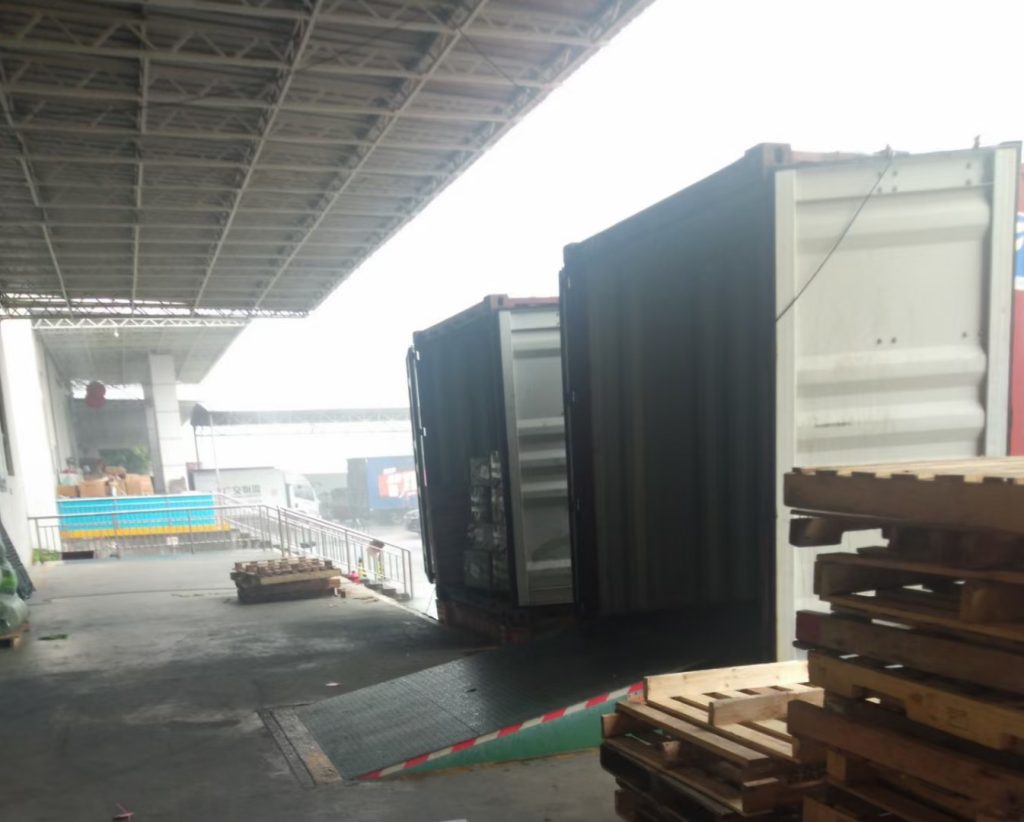
Step 3: Cargo Pickup
Goods are collected from suppliers or factories.
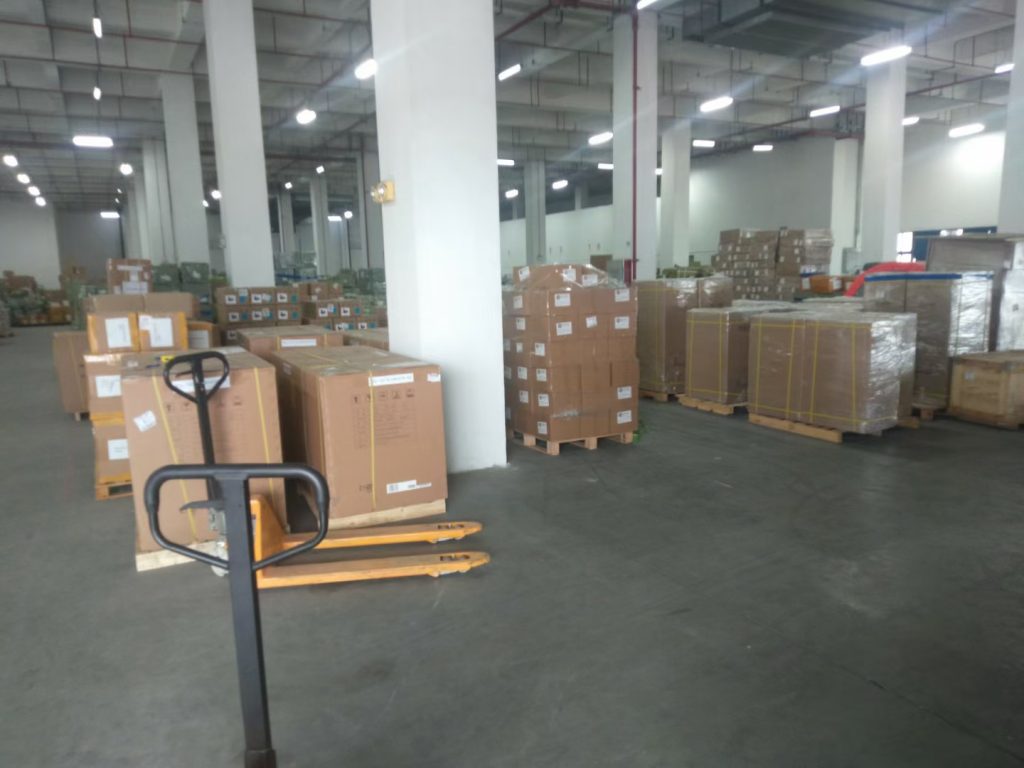
Step 4: Warehouse Consolidation
Multiple shipments are consolidated into one container.
This process helps lower transportation costs.
Step 5: Export Customs Clearance
Cargo completes export procedures before departure.
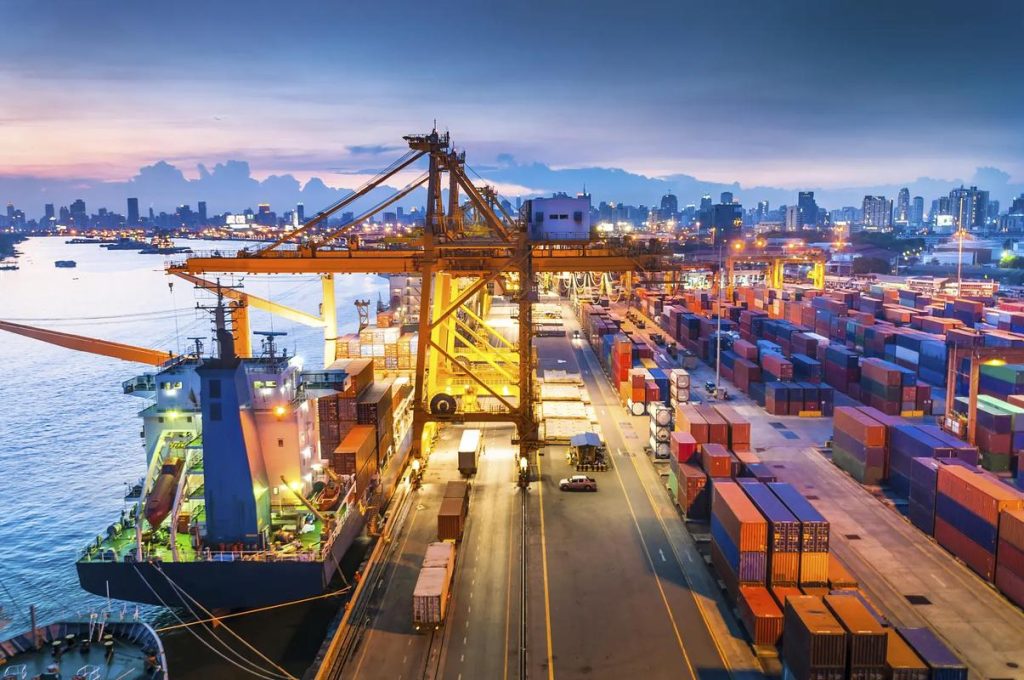
Step 6: Sea Freight Transportation
The shared container is shipped internationally.
Step 7: Destination Customs Clearance
Import customs procedures are completed.
Step 8: Final Delivery
Cargo is delivered to a warehouse, business location, or customer address.
Advantages of LCL Shipping
Lower Logistics Cost
You only pay for cargo space used.
Flexible Cargo Volume
No need to wait until enough products fill a container.
Better Cash Flow Management
Smaller shipments reduce inventory pressure.
Multiple Supplier Consolidation
Goods from different suppliers can be combined into one shipment.
This is especially useful for buyers sourcing products from different factories in China.
LCL vs FCL Shipping
| Comparison | LCL Shipping | FCL Shipping |
|---|---|---|
| Cargo Volume | Small cargo | Large cargo |
| Cost | Lower for small shipments | Better for bulk cargo |
| Container Use | Shared container | Full container |
| Flexibility | High | Medium |
| Handling Time | Longer | Faster |
Choosing between LCL and FCL depends on cargo size and logistics goals.
How to Choose a Reliable LCL Freight Forwarder
Before selecting a logistics partner, check:
Experience
Choose a freight forwarder familiar with international shipping routes.
Warehouse Service
Consolidation warehouses help reduce shipping cost.
Transparent Pricing
Reliable forwarders explain all costs clearly.
Communication Speed
Fast communication helps solve logistics issues quickly.
Tracking Service
Shipment tracking improves visibility and customer confidence.
Frequently Asked Questions (FAQ)
Q1: What does LCL mean in shipping?
LCL means Less Than Container Load, where multiple shipments share one container.
Q2: Is LCL cheaper than FCL?
For small shipments, yes. LCL is generally cheaper.
For large cargo, FCL may become more economical.
Q3: How long does LCL shipping take?
LCL shipping generally takes 15–45 days, depending on destination and customs clearance.
Q4: Can I combine goods from multiple suppliers?
Yes. Freight forwarders often provide cargo consolidation services.
Q5: What products are suitable for LCL shipping?
Furniture, electronics, lighting, household products, machinery parts, and building materials are commonly shipped through LCL.
Final Thoughts
China LCL sea freight is an economical and flexible shipping solution for businesses importing smaller cargo volumes. By understanding LCL cost, transit time, customs procedures, and consolidation services, importers can reduce logistics expenses and improve shipping efficiency.
Before shipping, compare freight quotations, understand logistics requirements, and choose an experienced freight forwarder to ensure smooth cargo transportation.