

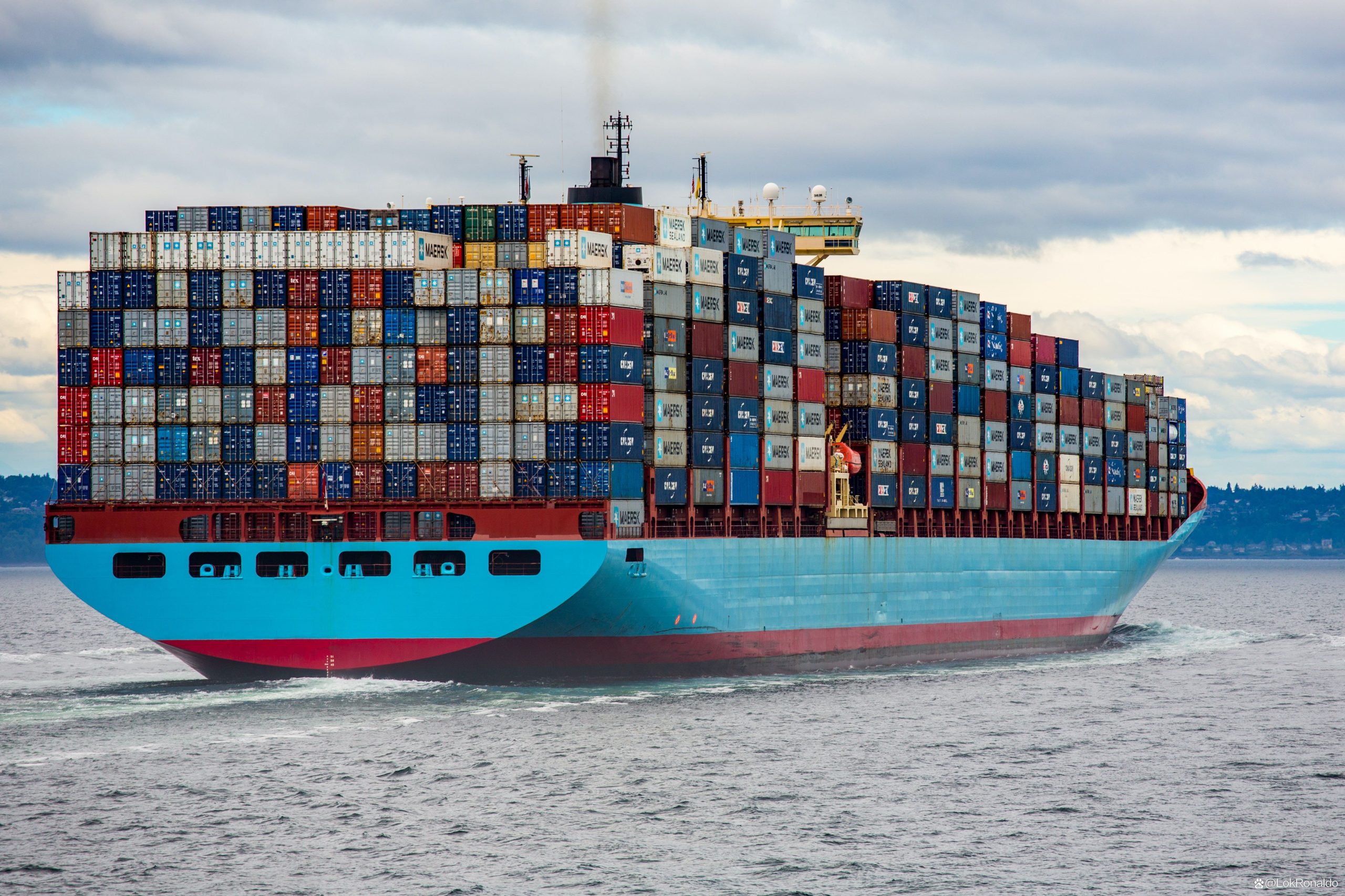
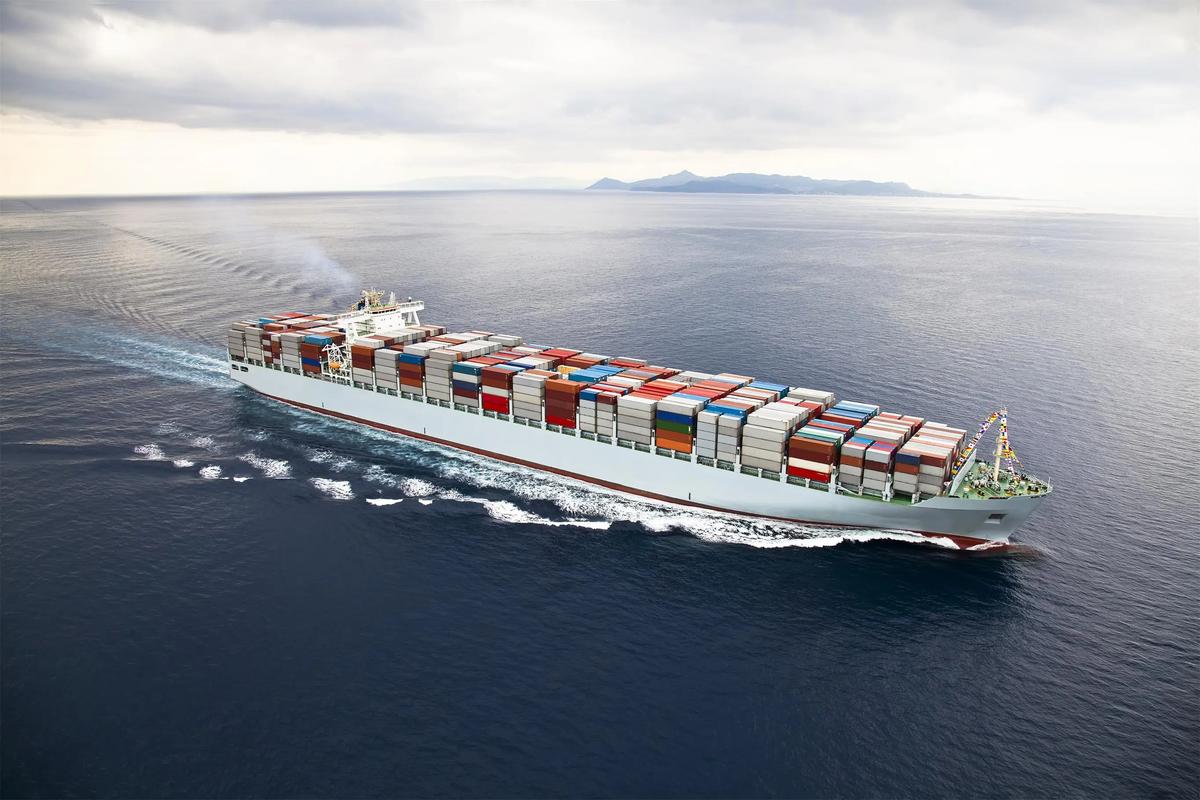
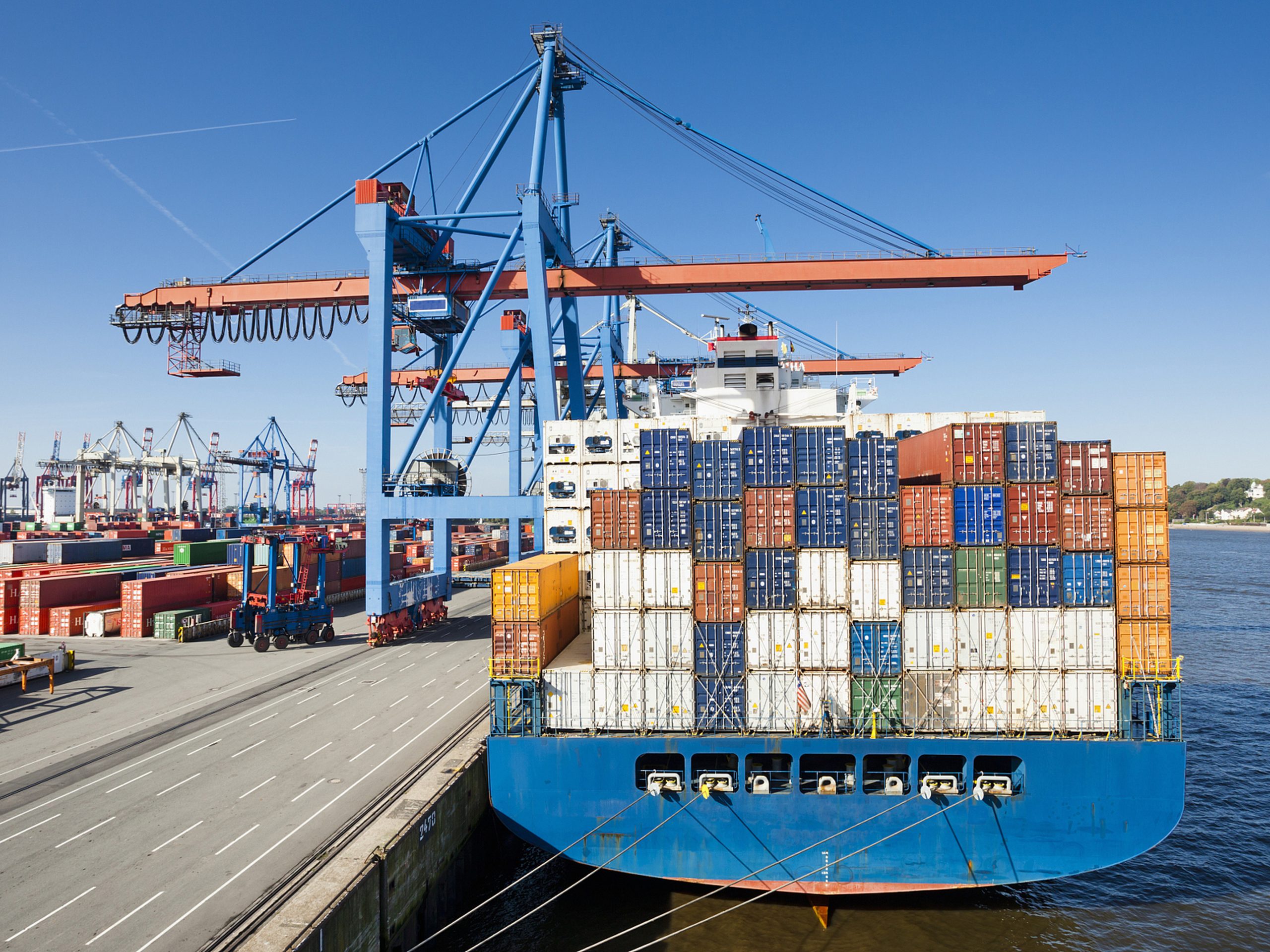
China is one of the world’s largest manufacturing hubs, and sea freight is the most commonly used method for exporting goods globally. Whether you are importing furniture, machinery, electronics, building materials, textiles, or industrial products, choosing a reliable China sea freight forwarder is essential for cost control and smooth logistics.
Many importers ask:
How does sea freight from China work, and how do I choose the right shipping solution?
This guide explains sea freight services, shipping cost factors, transit time, FCL & LCL options, customs process, and how freight forwarders manage international shipments from China.
What Is a Sea Freight Forwarder in China?
A sea freight forwarder is a logistics company that organizes international ocean shipping on behalf of exporters and importers.
Their responsibilities include:
- Booking cargo space with shipping lines
- Arranging pickup from factories
- Warehouse consolidation services
- Export customs clearance in China
- Shipping documentation preparation
- Ocean freight transportation
- Import coordination and delivery support
A professional freight forwarder simplifies the entire shipping process from China to global destinations.
Why Sea Freight Is the Most Popular Shipping Method
Sea freight is widely used because it offers:
- Lower cost compared to air freight
- Ability to ship large or heavy cargo
- Flexible container options
- Global port coverage
- Stable international shipping network
It is especially suitable for bulk cargo and commercial shipments.
Main Sea Freight Options From China
1. FCL Shipping (Full Container Load)
FCL means one customer uses a full container.
Common container types:
- 20GP
- 40GP
- 40HQ
Advantages:
- Higher security
- Faster handling
- Lower risk of cargo damage
- More cost-effective for large shipments
2. LCL Shipping (Less Than Container Load)
LCL means multiple customers share one container.
Advantages:
- Lower cost for small shipments
- Flexible cargo volume
- Suitable for small businesses and trial orders
Common cargo:
- Furniture
- Lighting
- Electronics
- Machinery parts
- Consumer goods
3. Door-to-Door (DDP) Shipping
DDP shipping includes:
- Pickup in China
- Export customs clearance
- Sea freight transportation
- Import customs clearance
- Final delivery
This option is popular for buyers who want a simple logistics solution.
Estimated Sea Freight Cost From China
Shipping costs depend on cargo type, destination, season, and shipping method.
| Shipping Method | Estimated Cost |
|---|---|
| LCL Shipping | From $70–$200/CBM |
| FCL 20GP | Market quotation |
| FCL 40HQ | Market quotation |
| DDP Service | Based on cargo details |
Key cost factors:
- Cargo volume (CBM)
- Weight
- Destination port
- Shipping season
- Customs requirements
- Fuel surcharge
Transit Time for Sea Freight From China
Sea freight transit time varies by destination.
| Route | Estimated Time |
|---|---|
| China to USA | 18–45 days |
| China to Europe | 25–45 days |
| China to Middle East | 15–35 days |
| China to Africa | 25–55 days |
Delays may occur due to:
- Port congestion
- Customs inspection
- Weather conditions
- Peak shipping seasons
Sea Freight Shipping Process From China
Step 1: Cargo Information Submission
Provide:
- Product details
- Weight and dimensions
- Quantity
- Destination country
Step 2: Freight Quotation
The freight forwarder provides:
- Shipping options
- Cost estimate
- Transit time
Step 3: Cargo Pickup
Goods are collected from suppliers or factories.
Step 4: Warehouse Handling
Services may include:
- Consolidation
- Packaging optimization
- Labeling
Step 5: Export Customs Clearance
Cargo is cleared for export in China.
Step 6: Ocean Shipping
Cargo is transported by sea freight.
Step 7: Import Customs Clearance
Destination customs processes the shipment.
Step 8: Final Delivery
Goods are delivered to warehouse or customer address.
How to Choose a Reliable China Sea Freight Forwarder
1. Industry Experience
Choose a forwarder experienced in international shipping routes and customs regulations.
2. Transparent Pricing
A reliable company provides clear quotations with no hidden fees.
3. Warehouse Support
Warehouse services improve efficiency through:
- Cargo consolidation
- Inspection
- Repacking
4. Strong Communication
Fast response improves logistics coordination and reduces delays.
5. Tracking System
Real-time updates help monitor shipment progress.
Common Problems in Sea Freight Shipping
- Delayed shipments
- Customs clearance issues
- Hidden charges
- Incorrect documentation
- Port congestion
Working with a professional freight forwarder helps reduce these risks.
Frequently Asked Questions (FAQ)
Q1: What is sea freight?
Sea freight is the transportation of goods by ocean shipping using containers.
Q2: Which is cheaper, LCL or FCL?
LCL is cheaper for small shipments, while FCL is better for large volumes.
Q3: How long does sea freight take from China?
It usually takes 15–55 days, depending on destination.
Q4: Can freight forwarders handle customs clearance?
Yes. Most freight forwarders provide export and import customs services.
Q5: What products are commonly shipped by sea freight?
Furniture, machinery, electronics, textiles, and industrial goods are commonly shipped.
Final Thoughts
Sea freight forwarding from China is the backbone of global trade. By understanding shipping methods, costs, transit time, and customs procedures, importers can plan logistics more efficiently and reduce unnecessary expenses.
Choosing an experienced China sea freight forwarder ensures safer, smoother, and more cost-effective international shipping for your business.