

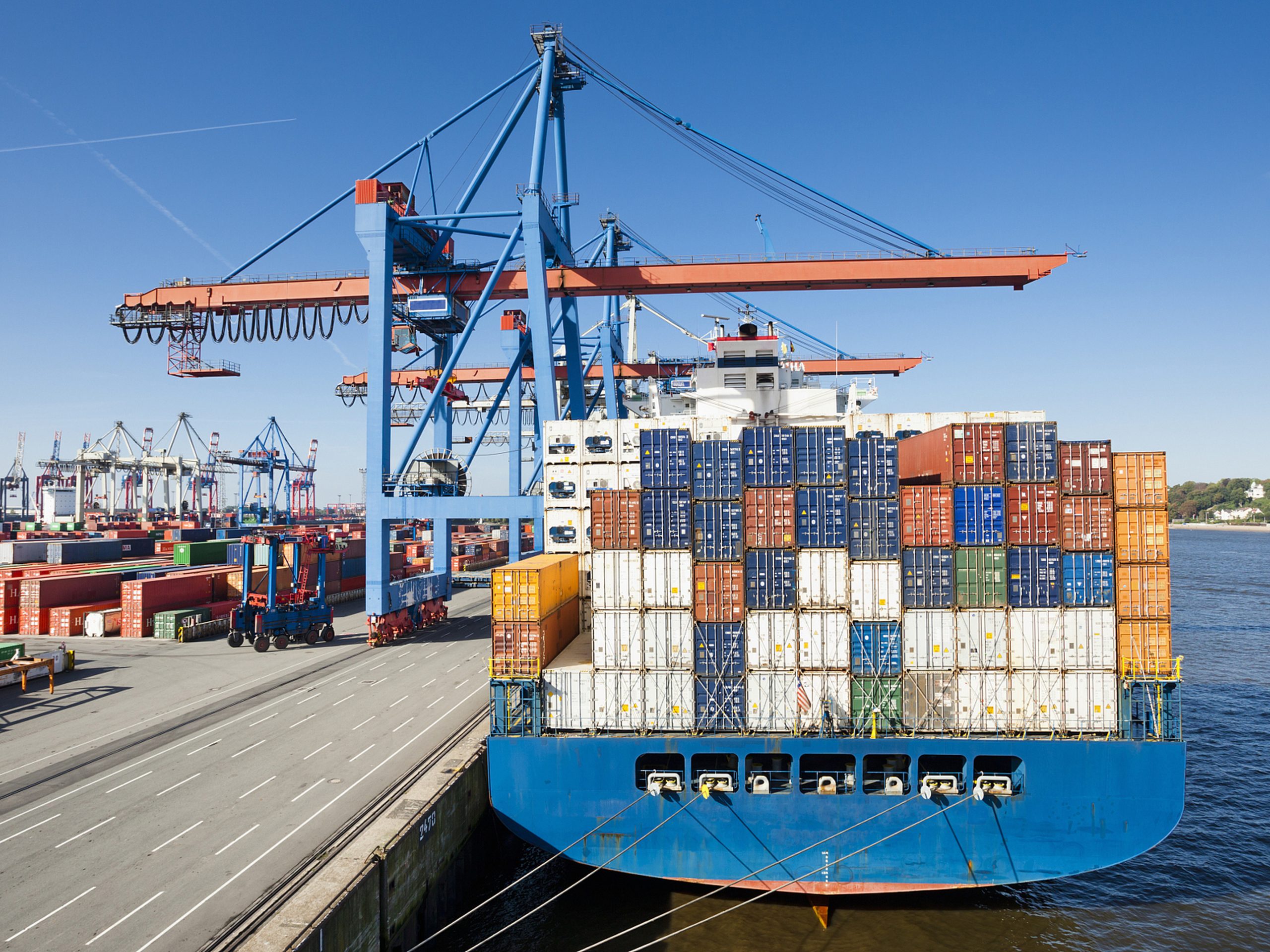
Losing cargo during international shipping is one of the most stressful situations for importers and exporters. It can disrupt supply chains, cause financial loss, and damage customer relationships.
This guide explains why cargo gets lost, how to track and resolve missing shipments, and how a professional freight forwarder helps you secure compensation and prevent future losses.
1. Common Reasons for Cargo Loss in International Shipping
Cargo loss is rare, but it can still happen due to several reasons:
1.1 Misrouting or Label Errors
Shipments may be sent to the wrong destination because of:
- Incorrect shipping labels
- Wrong consignee details
- Sorting center mistakes
- Barcode scanning errors
1.2 Container Handling Issues
During loading or unloading:
- Containers may be misplaced
- Cargo may be separated from master shipment
- Terminal handling errors can occur
1.3 Theft or Unauthorized Access
Although rare, cargo theft can happen in:
- Transit warehouses
- Truck transportation
- Port storage areas
High-value goods are more vulnerable.
1.4 Documentation or System Errors
Sometimes cargo is not physically lost but “missing in tracking” due to:
- Data entry errors
- Tracking system delays
- Incorrect manifest records
1.5 Transshipment Problems
For multi-leg shipping routes:
- Cargo may be delayed or misplaced at hub ports
- Containers may miss connecting vessels
- Miscommunication between carriers
2. What to Do Immediately When Cargo Is Missing
Fast action is critical when your shipment cannot be located.
2.1 Check Tracking Status Thoroughly
Start by reviewing:
- Carrier tracking system
- Freight forwarder updates
- Port terminal status
Sometimes cargo is only delayed, not lost.
2.2 Contact Your Freight Forwarder Immediately
A professional freight forwarder will:
- Contact shipping lines or airlines
- Verify container location
- Open an investigation request
2.3 File a Missing Cargo Report
Depending on the carrier:
- Ocean freight: file with shipping line
- Air freight: file with airline cargo department
- Express: file with courier service
2.4 Gather All Shipment Documents
You will need:
- Bill of Lading (B/L) or Air Waybill (AWB)
- Commercial invoice
- Packing list
- Booking confirmation
3. How Freight Forwarders Help Recover Lost Cargo
A professional freight forwarder plays a key role in resolving missing shipment cases.
3.1 Carrier Investigation Process
They coordinate directly with:
- Shipping lines
- Airlines
- Port terminals
- Customs authorities
This speeds up location tracing.
3.2 Cargo Trace and Reconciliation
Freight experts track:
- Container movement history
- Gate-in and gate-out records
- Transshipment logs
This helps identify where the cargo stopped.
3.3 Communication With Insurance Providers
If cargo insurance is purchased, the forwarder helps:
- Submit claim documents
- Provide proof of loss
- Coordinate compensation process
3.4 Alternative Solutions If Cargo Is Delayed
If cargo is found but delayed, forwarders may:
- Re-route shipments
- Arrange express replacement shipping
- Minimize business disruption
4. Compensation for Lost Cargo
If cargo is officially declared lost, compensation depends on several factors:
4.1 Carrier Liability
Shipping lines and airlines have limited liability based on:
- Weight of cargo
- International shipping conventions
Compensation is often limited unless insurance is purchased.
4.2 Cargo Insurance Coverage
With proper insurance, you can claim:
- Full cargo value (depending on policy)
- Shipping fees (in some cases)
- Additional documented losses
4.3 Required Claim Documents
To process compensation, you typically need:
- Bill of Lading or AWB
- Commercial invoice
- Insurance certificate
- Proof of value
- Official loss report
5. How to Prevent Cargo Loss in Future Shipments
Prevention is always better than recovery.
5.1 Use Accurate Shipping Labels
Ensure:
- Clear consignee information
- Correct destination port/airport
- Barcode consistency
5.2 Choose Reliable Freight Forwarders
Experienced logistics partners reduce risks by:
- Proper handling procedures
- Verified carrier networks
- Strong tracking systems
5.3 Purchase Cargo Insurance
Insurance is essential for:
- High-value goods
- Fragile products
- Long-distance shipments
5.4 Improve Packaging and Identification
Good packaging helps:
- Prevent separation during transit
- Improve scanning accuracy
- Reduce handling errors
6. Conclusion
Cargo loss in international shipping is uncommon, but when it happens, it requires fast action and professional handling.
By working with an experienced freight forwarder, maintaining accurate documentation, and using cargo insurance, you can significantly reduce risks and ensure faster recovery when issues occur.