

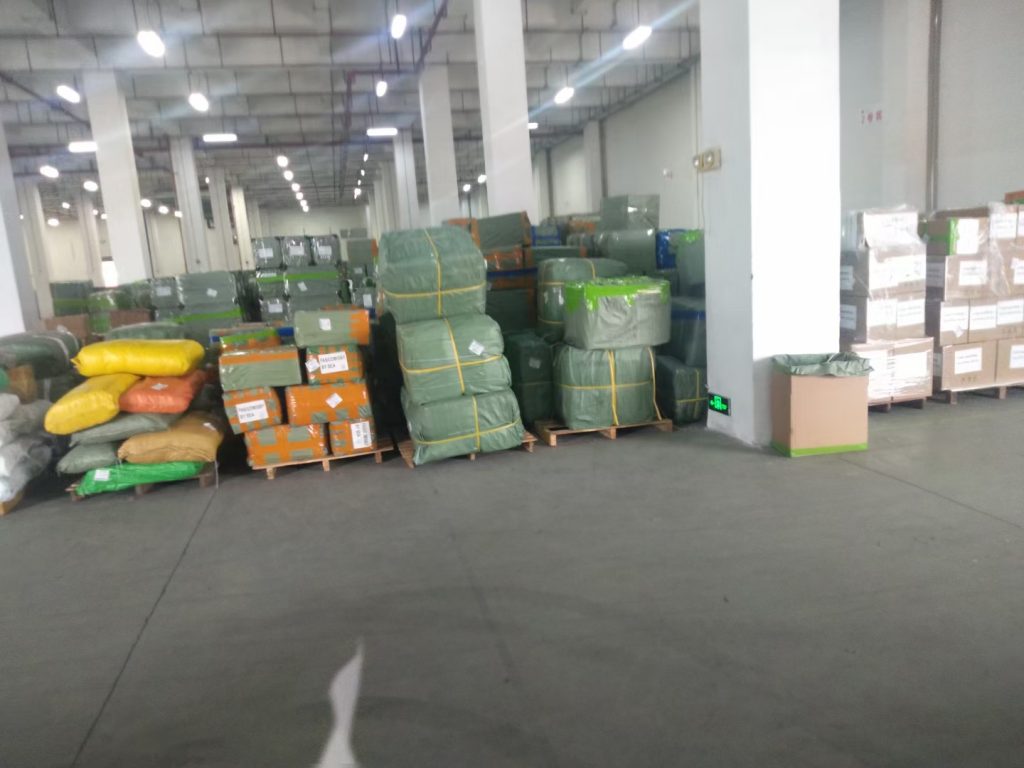
Cargo damage is one of the most common risks in international logistics. When goods arrive broken, scratched, or deformed, it can lead to financial loss, customer disputes, and supply chain disruption.
This article explains why cargo gets damaged during shipping and how to prevent and solve damage issues effectively, especially for shipments from China to global markets.
1. Main Causes of Cargo Damage in Shipping
Understanding the root causes helps reduce future risk.
1.1 Poor Packaging
Improper packaging is the leading cause of damage:
- Weak cartons
- No internal protection
- Insufficient cushioning
- Inadequate sealing
During long-distance transport, goods are exposed to heavy handling and pressure.
1.2 Rough Handling During Loading and Unloading
Cargo may be damaged at:
- Warehouses
- Ports
- Airports
- Truck loading points
Common issues include dropping, stacking pressure, and improper forklift handling.
1.3 Container Movement and Vibration
During sea or air transport:
- Continuous vibration
- Sudden movement
- Container shifting
This can cause fragile goods to break or deform.
1.4 Improper Stacking in Container
If cargo is not loaded correctly:
- Heavy goods may crush lighter goods
- Unstable stacking causes collapse
- Empty space leads to movement inside container
1.5 Environmental Factors
Depending on route and transport mode:
- Humidity
- Temperature changes
- Saltwater exposure (sea freight)
These can damage sensitive goods like electronics or furniture.
2. How to Prevent Cargo Damage Before Shipping
Prevention is always more effective than compensation.
2.1 Use Strong Export-Grade Packaging
Recommended materials:
- Double-wall cartons
- Wooden crates
- Pallet wrapping
- Shock-absorbing foam
2.2 Reinforce Fragile Items
For fragile goods:
- Add bubble wrap
- Use corner protectors
- Fill empty spaces inside boxes
2.3 Waterproof and Moisture Protection
For sea freight shipments:
- Use plastic wrapping
- Add moisture-proof bags
- Apply desiccants inside packaging
2.4 Correct Labeling
Clear labels help reduce handling mistakes:
- “Fragile”
- “This Side Up”
- “Do Not Stack”
2.5 Professional Loading Plan
Proper container loading includes:
- Weight distribution balance
- Secure strapping
- No empty movement space
3. What to Do If Your Cargo Arrives Damaged
If damage occurs, act quickly.
3.1 Inspect Goods Immediately
Check:
- External packaging condition
- Internal product damage
- Quantity discrepancies
3.2 Take Clear Evidence
You will need:
- Photos of damaged goods
- Photos of packaging
- Container or airway bill details
- Unpacking video (if possible)
3.3 Report to Freight Forwarder
Notify your logistics provider immediately so they can:
- Contact carrier
- Start claim process
- Investigate handling stages
3.4 File Insurance Claim
If cargo insurance is purchased:
- Submit damage report
- Provide proof of value
- Attach shipping documents
4. How Freight Forwarders Help Reduce Cargo Damage Risk
Professional freight forwarders provide end-to-end protection.
4.1 Packaging Guidance
They recommend:
- Suitable packaging methods
- Export standard protection
- Product-specific solutions
4.2 Warehouse Inspection Before Loading
Forwarders check:
- Packaging condition
- Label accuracy
- Stability of pallets
4.3 Professional Container Loading
Experienced teams ensure:
- Safe stacking
- Proper weight distribution
- Secure fastening
4.4 Carrier Selection
They choose reliable carriers with:
- Better handling standards
- Lower damage history
- Stable logistics routes
5. Best Practices for Long-Term Damage Prevention
5.1 Standardize Packaging System
Create consistent packaging rules for all shipments.
5.2 Train Suppliers or Factories
Ensure factories understand export packaging requirements.
5.3 Use Cargo Insurance for All Shipments
Especially important for:
- High-value goods
- Fragile items
- Long-distance shipping
5.4 Work With Reliable Freight Partners
Experienced freight forwarders reduce:
- Handling mistakes
- Loading errors
- Transit damage risk
6. Conclusion
Cargo damage in international shipping is usually caused by poor packaging, improper handling, or lack of professional logistics control.
By using strong packaging, correct labeling, proper loading methods, and working with an experienced freight forwarder, you can significantly reduce the risk of damaged goods and ensure safe delivery to your customers.