

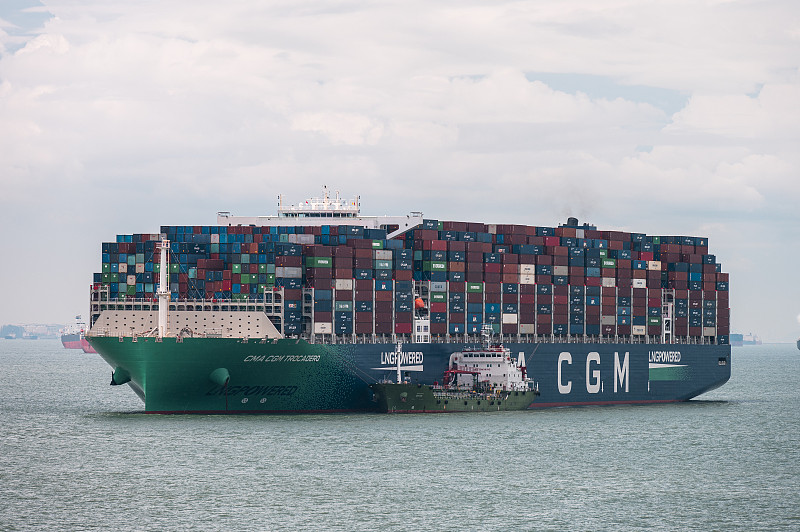
International shipping costs from China can fluctuate significantly due to fuel prices, peak season demand, carrier capacity, and routing choices. For importers, high freight costs directly reduce profit margins. The good news is that shipping expenses are not fixed—you can optimize them with the right strategy.
This guide explains practical ways to reduce international shipping costs when shipping from China.
1. Choose the Right Shipping Method
One of the biggest cost factors is the transport method you choose.
- Sea freight (FCL): Best for large shipments, lowest cost per unit
- Sea freight (LCL): Suitable for small shipments but slightly higher per CBM cost
- Air freight: Fast but expensive, used for urgent goods
- Express courier: Best for samples or small parcels
👉 If your shipment is not urgent, sea freight is usually the most cost-effective option.
2. Optimize Cargo Volume and Packaging
Shipping cost is heavily influenced by volume (CBM).
To reduce cost:
- Avoid unnecessary packaging materials
- Use compact carton design
- Stack goods efficiently
- Reduce empty space inside cartons
Even a 10–15% reduction in volume can significantly lower freight charges.
3. Consolidate Shipments
Instead of sending multiple small shipments, combine them into one larger shipment.
Benefits:
- Lower per-unit shipping cost
- Reduced handling fees
- Simplified customs clearance
Many freight forwarders offer consolidation services from different suppliers in China.
4. Book Shipping Space Early
Freight rates increase during peak seasons and when space is limited.
To save cost:
- Book early (2–4 weeks in advance)
- Avoid last-minute air freight upgrades
- Plan shipments around peak seasons
Early booking often locks in better rates.
5. Compare Multiple Freight Forwarders
Prices can vary significantly between logistics providers.
Always compare:
- Ocean freight rates
- Air freight rates
- Destination charges
- Customs clearance fees
A reliable forwarder with stable carrier contracts often offers better long-term pricing.
6. Use the Correct Incoterms
Incoterms affect who pays for what.
Common terms:
- FOB (Free on Board): Buyer controls shipping cost
- EXW (Ex Works): Buyer handles all logistics from factory
- CIF (Cost, Insurance, Freight): Supplier includes shipping cost
👉 FOB is often more transparent and cost-efficient for buyers.
7. Avoid Peak Season When Possible
Shipping costs increase sharply during:
- Chinese New Year
- Q4 (holiday season: Oct–Dec)
- Major global trade peaks
If possible, plan shipments during off-peak periods for lower rates.
8. Reduce Customs-Related Extra Charges
Poor documentation can lead to:
- Inspection fees
- Storage charges
- Delay penalties
Make sure:
- HS codes are correct
- Invoice value is accurate
- Documents are complete
9. Choose the Right Destination Port
Some ports are cheaper and faster than others.
Consider:
- Port congestion levels
- Local handling fees
- Inland transportation costs
Sometimes a nearby alternative port can save significant money.
FAQ
Q1: What is the cheapest way to ship from China?
The cheapest method is usually sea freight FCL for large shipments. For small goods, LCL sea freight is also cost-effective.
Q2: Why is international shipping from China so expensive?
Costs depend on fuel prices, carrier capacity, peak season demand, port congestion, and global trade conditions.
Q3: How can I lower air freight costs?
You can reduce air freight costs by consolidating cargo, reducing volume weight, booking early, and avoiding peak seasons.
Q4: Is FOB cheaper than CIF?
In most cases, FOB is cheaper and more transparent because you can choose your own freight forwarder and negotiate better rates.
Q5: Can packaging really reduce shipping cost?
Yes. Since freight is calculated based on volume (CBM) or weight, optimized packaging can significantly reduce total cost.