

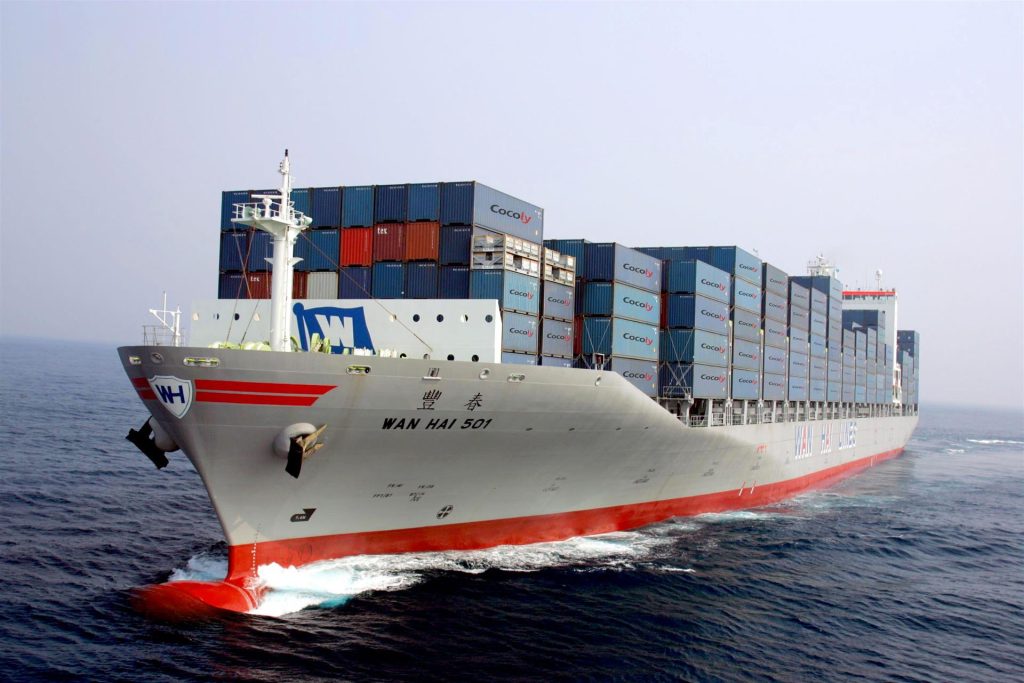
There is no phrase in international trade that strikes fear into the heart of an importer quite like: “Your shipment is currently on a customs hold.”
When your cargo gets stuck at the border, the clock starts ticking—and it is a very expensive clock. Within days, you can face mounting storage fees at the port (demurrage) and container rental penalties (detention) that can easily run into hundreds or thousands of dollars per day. Worse, while your stock is sitting in a government warehouse, your listings go dark, your customers cancel orders, and your competitors steal your market share.
While many importers blame arbitrary customs officials, the harsh reality is that over 90% of customs delays are completely preventable. They are caused by simple paperwork errors, incorrect product classification, or lack of proper compliance certifications.
If you want to ensure your next shipment from China glides smoothly through border control, here is an insider look at why goods get stuck and how to bulletproof your logistics strategy.
The Top 3 Reasons China Imports Get Stuck (And How to Fix Them)
1. The HS Code Nightmare (Incorrect Classification)
Every product imported globally must be classified under a specific Harmonized System (HS) code. This code dictates exactly how much import duty and tax you owe.
- The Problem: Many suppliers in China use generic or incorrect HS codes on the export paperwork to save time. When destination customs scan the container and find that the paperwork says “plastic toys” but the box contains “electronic smart gadgets,” they flag it immediately for a manual audit.
- The Fix: Never blindly trust a factory’s HS code. Work with your freight forwarder to verify the exact HTS (Harmonized Tariff Schedule) code for your destination country before the goods are loaded onto the ship or plane.
2. Under-Declaration of Value (The Red Flag Trap)
It can be tempting to ask your Chinese supplier to write a lower dollar amount on the commercial invoice to reduce your import taxes.
- The Problem: Customs agencies use advanced algorithms and historical databases to estimate what goods should cost. If you declare a shipment of 1,000 premium winter jackets as being worth $1 each, the system will instantly flag it as high risk. Customs will halt the shipment, demand your actual proof of payment (bank transfer records), and potentially fine you for tax evasion.
- The Fix: Always declare the true transactional value of your goods. Saving a few bucks on duties is never worth risking a permanent black mark on your importer history or having your cargo seized.
3. Missing Compliance and Product Certificates
Different countries have strict regulatory laws regarding product safety, especially for electronics, toys, cosmetics, and medical devices.
- The Problem: If you are importing bluetooth headphones into the US without FCC registration, or children’s toys into the EU without a CE certificate and proper lab test reports, customs will deny entry.
- The Fix: Audit your supplier’s certifications during the sourcing phase. Make sure all required compliance markings are clearly printed on the retail packaging and the outer master cartons before shipping.
Frequently Asked Questions (FAQ)
Q1: What is the difference between a Customs Inspection and a Customs Hold?
A Customs Inspection is often a routine, random check where officers physically open the container or run it through an X-ray scanner to verify the contents match the paperwork. This usually delays cargo by only 2 to 5 days. A Customs Hold is caused by a specific discrepancy (like missing paperwork or unpaid duties). A hold will not resolve itself until you or your broker submit the correct documentation, and it can last for weeks if ignored.
Q2: What are Demurrage and Detention fees, and who pays them?
- Demurrage: A penalty charged by the port terminal for keeping your container inside the port past the allowed “free days” (usually 4–7 days).
- Detention: A penalty charged by the ocean liner for keeping their physical equipment (the container chassis) outside the port for too long.
As the importer of record, you are legally responsible for paying these fees to get your goods released, even if the delay was caused by a paperwork mistake made by your factory.
Q3: How do I know if my shipment is being delayed on the China side or the destination side?
Your freight forwarder can check the tracking status via the Bill of Lading (B/L) or Air Waybill (AWB). If it is stuck in China, it is usually an export customs issue (e.g., the factory lacks an export license or the goods failed a local commodity inspection). If it is stuck in your home country, it is an import customs clearance issue. A professional forwarder with teams on both sides can pinpoint the exact office holding the cargo.
Q4: Can buying under DDP terms eliminate customs delays?
Yes, significantly. When you ship via DDP (Delivered Duty Paid), your freight forwarder acts as the importer of record and handles all the paperwork, customs bonds, and tax payments using established, pre-cleared logistics channels. Because the forwarder reviews thousands of similar shipments daily, the margin for paperwork errors drops to near zero.
🛡️ Protect Your Supply Chain: Get a Free Customs Compliance Check!
Don’t wait until your goods are locked up at the port to find out your paperwork is wrong. Let our compliance experts audit your next shipment before it leaves China.
We are a professional, boots-on-the-ground freight forwarder based in China. Send us your product description and target country, and we will verify your HS codes, check your invoice layout, and ensure your cargo sails through customs without a hitch.
✉️ Drop us a message right now with your shipment details to secure a smooth, delay-free import experience!