

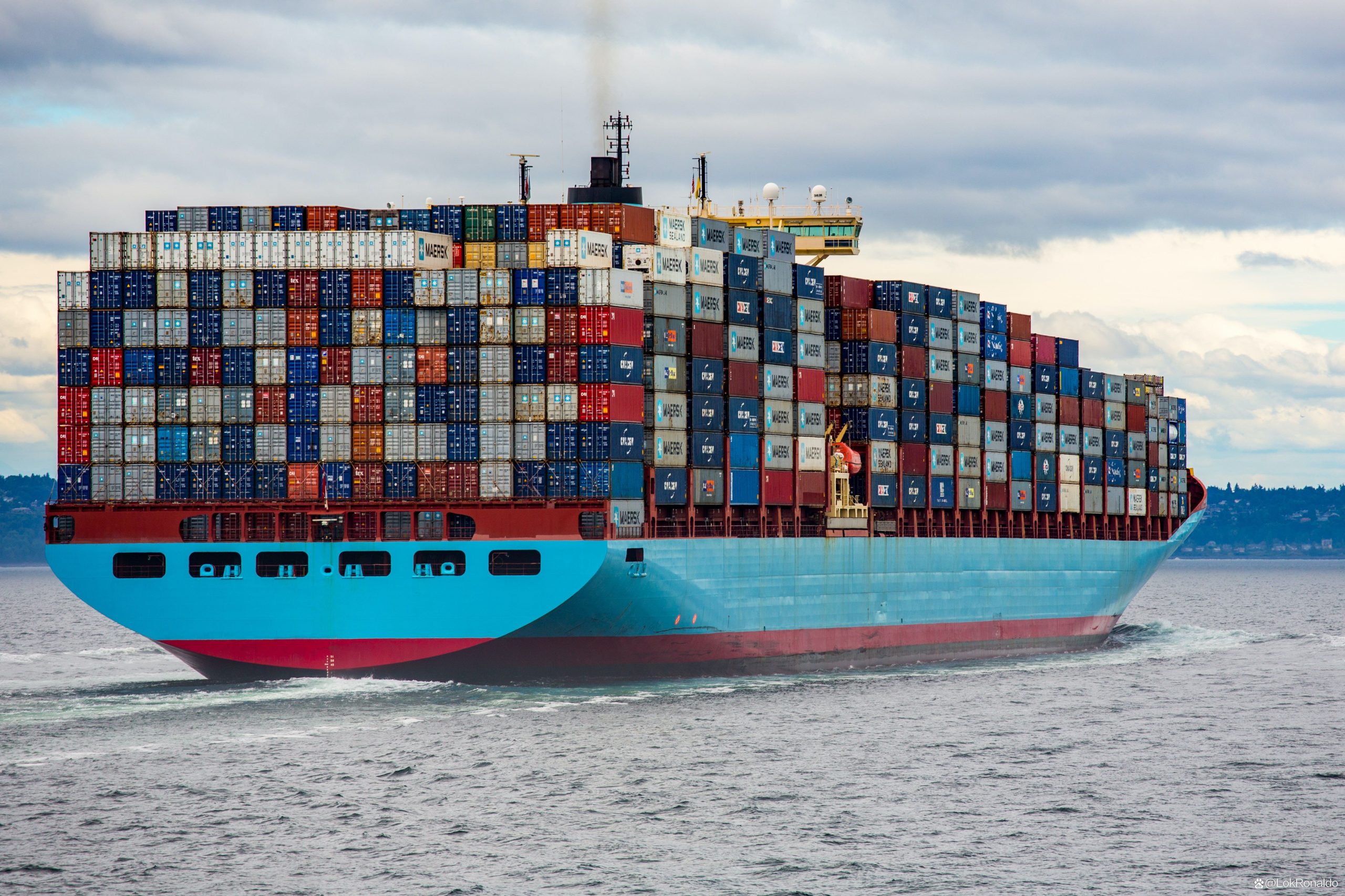
Shipping dangerous goods (DG cargo) from China requires strict compliance, professional handling, and specialized logistics knowledge. Unlike normal cargo, hazardous materials must follow international regulations to ensure safety during storage, transportation, and customs clearance. Choosing a reliable China dangerous goods freight forwarder is essential for businesses dealing with chemicals, batteries, industrial materials, or other regulated products.
This article explains how dangerous goods shipping works, what regulations apply, and how a professional freight forwarder ensures safe and compliant international transportation.
What Are Dangerous Goods?
Dangerous goods refer to materials that may pose risks to health, safety, property, or the environment during transportation.
Common categories include:
1. Chemicals
- Industrial chemicals
- Cleaning agents
- Laboratory reagents
- Paints and coatings
2. Batteries and Energy Products
- Lithium batteries
- Power banks
- Electric vehicle batteries
- Energy storage systems
3. Flammable Materials
- Alcohol-based products
- Fuel-related substances
- Aerosols
4. Toxic and Corrosive Substances
- Industrial acids
- Corrosive cleaning materials
- Certain chemical compounds
Each category is regulated under international transport rules such as IATA (air freight) and IMDG Code (sea freight).
Why Dangerous Goods Require Special Freight Forwarding
Shipping DG cargo is more complex than standard logistics because it involves strict safety and legal requirements.
Without proper handling, businesses may face:
- Shipment rejection by carriers
- Customs delays or penalties
- Safety hazards during transport
- Incorrect labeling or packaging issues
- High risk of cargo damage or leakage
A professional freight forwarder ensures all procedures are correctly followed.
Key Regulations for Dangerous Goods Shipping
IATA Regulations (Air Freight)
Air transport of dangerous goods follows IATA Dangerous Goods Regulations (DGR), which define:
- Packaging standards
- Labeling requirements
- Quantity limitations
- Documentation rules
IMDG Code (Sea Freight)
For ocean transport, the IMDG Code regulates:
- Container loading procedures
- Segregation rules
- Hazard classification
- Emergency response measures
Compliance with these standards is mandatory for international shipping.
Services Offered by a China Dangerous Goods Freight Forwarder
A professional DG freight forwarder provides end-to-end logistics solutions, including:
1. DG Classification and Consultation
- Identifying UN numbers
- Determining hazard class
- Advising on shipping feasibility
2. Approved Packaging Solutions
- UN-certified packaging
- Leak-proof containers
- Shock-resistant materials
- Temperature control options
3. Labeling and Documentation
- Hazard labels
- Safety data sheets (MSDS)
- Shipping declarations
- Customs documentation
4. Transportation Arrangement
- DG-approved airlines and shipping lines
- Special container booking
- Controlled cargo handling
5. Customs Clearance Support
- Export declaration in China
- Import clearance coordination
- Compliance checks
Sea Freight vs Air Freight for Dangerous Goods
Sea Freight DG Shipping
Best for:
- Large quantities of chemicals
- Industrial materials
- Battery shipments in bulk
Advantages:
- Lower cost
- Higher volume capacity
- More flexible DG categories allowed
Air Freight DG Shipping
Best for:
- Urgent shipments
- Small quantity batteries
- High-value chemical samples
Advantages:
- Fast delivery
- Reliable scheduling
- Suitable for emergency logistics
However, air freight has stricter limitations on DG cargo.
Packaging Requirements for Dangerous Goods
Proper packaging is critical to ensure safety and compliance.
Common requirements include:
- UN-certified packaging boxes
- Inner protective lining
- Leakage prevention systems
- Strong sealing and cushioning
- Clear hazard labeling
Incorrect packaging can lead to shipment rejection or serious safety risks.
Labeling and Documentation Requirements
Dangerous goods shipments must include accurate documentation such as:
- Material Safety Data Sheet (MSDS)
- UN number and proper shipping name
- DG declaration form
- Packing list and invoice
- Emergency contact information
Proper labeling ensures that handlers understand the risks and follow safety procedures.
Challenges in Shipping Dangerous Goods from China
Businesses often face challenges such as:
Strict Carrier Restrictions
Not all airlines and shipping lines accept DG cargo.
Complex Documentation
Small mistakes can lead to shipment delays.
High Compliance Costs
Special packaging and handling increase logistics costs.
Limited Routes
Some destinations have restrictions on specific hazardous materials.
A professional freight forwarder helps overcome these challenges.
How a Professional Freight Forwarder Ensures Safety
Experienced DG freight forwarders provide:
- Compliance verification before shipment
- Approved carrier selection
- Proper packaging inspection
- Real-time shipment monitoring
- Emergency handling procedures
This reduces risk and ensures smooth international transport.
Industries That Need Dangerous Goods Shipping
Chemical Industry
- Raw materials
- Industrial compounds
- Laboratory chemicals
Electronics Industry
- Lithium batteries
- Energy storage systems
Manufacturing
- Coatings and adhesives
- Industrial solvents
Energy Sector
- Battery systems
- Fuel-related materials
How to Choose a Reliable China DG Freight Forwarder
When selecting a logistics partner, consider:
DG Certification Experience
Ensure the company has experience handling hazardous materials.
Carrier Network
A strong network of DG-approved carriers is essential.
Compliance Knowledge
The forwarder must understand IATA and IMDG regulations.
Packaging Capability
Ability to provide or verify UN-certified packaging.
Communication and Tracking
Clear updates ensure shipment safety and transparency.
Conclusion
Shipping dangerous goods from China requires strict compliance, professional handling, and specialized logistics expertise. A reliable China dangerous goods freight forwarder ensures that chemicals, batteries, and other hazardous materials are transported safely, legally, and efficiently.
By following international regulations, using approved packaging, and working with experienced logistics providers, businesses can reduce risks and ensure smooth global transportation of DG cargo.
FAQ
What are dangerous goods in shipping?
Dangerous goods are materials that can pose risks to safety, health, or the environment during transport.
Can dangerous goods be shipped from China to other countries?
Yes, but they must comply with IATA or IMDG regulations depending on the transport method.
What documents are required for DG shipping?
Common documents include MSDS, DG declaration, packing list, and shipping invoice.
Is air freight suitable for dangerous goods?
Yes, but it has stricter limitations and is suitable for small or urgent DG shipments.
Why do I need a DG freight forwarder?
A DG freight forwarder ensures compliance, safety, and proper handling of hazardous cargo.