

Introduction: Why Understanding China Shipping Is Important
China is one of the world’s largest manufacturing and exporting countries. Every year, millions of international buyers import products from China, including machinery, electronics, furniture, clothing, accessories, industrial equipment, and consumer goods.
However, for many importers, international shipping can be complicated. Choosing the wrong shipping method, misunderstanding freight costs, or failing to prepare the correct documents can lead to delays, unexpected expenses, and supply chain problems.
This complete guide explains how to ship goods from China, including shipping methods, cost factors, customs procedures, delivery times, and practical tips to help global buyers choose the right logistics solution.
1. Main Shipping Methods from China
When importing goods from China, buyers usually choose between sea freight, air freight, express shipping, and railway transportation.
The best option depends on:
- Product type
- Cargo volume
- Delivery deadline
- Budget
- Destination country
1.1 Sea Freight from China
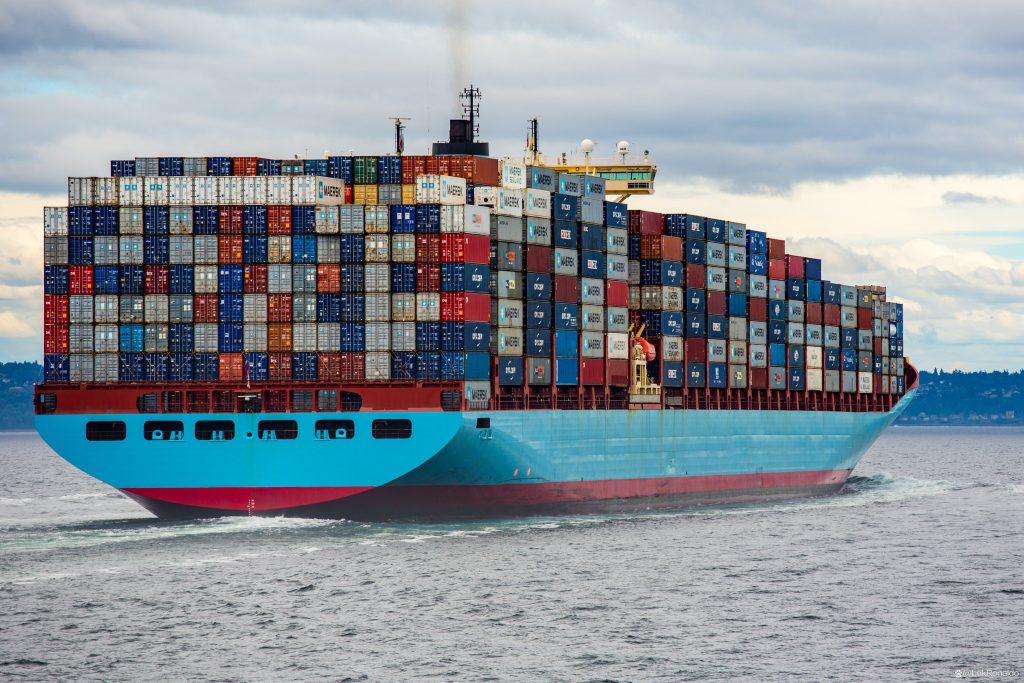
Sea freight is the most popular shipping method for international trade because it offers the lowest transportation cost for large shipments.
It is suitable for:
- Furniture
- Machinery
- Building materials
- Clothing
- Electronics
- Large quantity products
There are two common types:
FCL (Full Container Load)
FCL means one customer uses an entire container.
Common container sizes:
- 20GP container
- 40GP container
- 40HQ container
Advantages:
- Lower cost for large shipments
- Faster handling
- Less risk of cargo damage
Suitable for companies importing regular bulk orders.
LCL (Less Than Container Load)
LCL allows multiple customers to share one container.
Advantages:
- Lower initial cost
- Suitable for small and medium shipments
- Flexible for new importers
Disadvantages:
- Longer handling time
- More warehouse operations
LCL is commonly used by small businesses testing the market.
1.2 Air Freight from China
Air freight is the fastest international shipping method.
It is suitable for:
- High-value products
- Urgent shipments
- Samples
- Electronics
- Spare parts
Advantages:
- Fast delivery
- Better security
- Reliable schedule
Disadvantages:
- Higher transportation cost
Typical air freight transit time:
- China to USA: about 3–7 days
- China to Europe: about 3–8 days
- China to Middle East: about 4–10 days
(The exact time depends on airport, customs, and service type.)
1.3 Express Shipping from China
Express companies are suitable for small packages.
Common options include:
- DHL
- FedEx
- UPS
Best for:
- Product samples
- Documents
- Small parcels
Advantages:
- Door-to-door delivery
- Simple customs process
- Fast tracking
Disadvantage:
- Expensive for heavy cargo
1.4 Railway Shipping from China
Rail transportation has become an alternative option between sea freight and air freight.
It is mainly used for:
- China-Europe trade
- Industrial products
- Automotive parts
Advantages:
- Faster than sea freight
- Cheaper than air freight
2. How Much Does Shipping from China Cost?
Shipping costs from China are affected by many factors.
The main factors include:
1. Shipping Method
Air freight costs more than sea freight.
Example:
A 100kg urgent shipment may be cheaper by air than waiting for sea freight if delays affect business.
2. Cargo Weight and Volume
Freight companies calculate costs based on:
- Actual weight
- Volume weight
- Container volume
For bulky products, volume is often more important than weight.
3. Shipping Route
Different routes have different prices.
Examples:
- Shanghai to Los Angeles
- Shenzhen to Hamburg
- Ningbo to Dubai
- Guangzhou to Sydney
Each route has different:
- Freight rates
- Transit time
- Port charges
4. Product Type
Some products require special handling.
Examples:
- Lithium batteries
- Chemicals
- Food products
- Machinery
These may require additional documents and special transportation arrangements.
3. Shipping Terms You Should Understand
EXW (Ex Works)
The buyer arranges almost everything after picking up goods from the supplier.
Suitable for experienced importers.
FOB (Free On Board)
The supplier delivers goods to the export port and handles export procedures.
Common for international trading.
CIF (Cost, Insurance and Freight)
The seller arranges transportation to the destination port.
DDP (Delivered Duty Paid)
The seller or logistics provider handles:
- Shipping
- Customs clearance
- Import duties
- Final delivery
DDP is popular among small businesses because it simplifies importing.
4. Import Documents Required for Shipping from China
Common shipping documents include:
Commercial Invoice
Shows:
- Product information
- Quantity
- Price
- Buyer and seller details
Packing List
Includes:
- Package quantity
- Weight
- Dimensions
Bill of Lading
A key document issued by the shipping carrier.
It proves shipment acceptance and transportation agreement.
Certificate of Origin
Shows where products are manufactured.
Some countries require it for customs purposes.
5. How to Choose a Reliable China Freight Forwarder
A professional freight forwarder can help importers reduce risks and simplify international shipping.
Before choosing a logistics partner, check:
Experience
Choose a company familiar with your product category and destination country.
Shipping Solutions
A good freight forwarder should provide:
- Sea freight
- Air freight
- Door-to-door shipping
- Customs clearance
- Warehousing
Transparent Pricing
Avoid companies that provide extremely low prices without explaining additional fees.
A reliable quote should include:
- Freight cost
- Handling charges
- Customs service
- Delivery fees
Communication Ability
International shipping requires fast communication.
A professional logistics provider should provide:
- Shipment updates
- Tracking information
- Problem solutions
6. Common Mistakes When Shipping from China
Choosing Only the Cheapest Shipping Price
The lowest price may not include important services.
Cheap shipping can sometimes cause:
- Delays
- Hidden fees
- Poor customer service
Incorrect Product Information
Wrong product descriptions can cause customs problems.
Always provide accurate:
- Product name
- Material
- Quantity
- Value
Ignoring Import Regulations
Different countries have different requirements.
Before shipping, check:
- Customs rules
- Taxes
- Product certificates
7. Tips to Reduce China Shipping Costs
Plan Shipments Early
Avoid expensive urgent transportation.
Compare Different Shipping Methods
Sometimes combining methods saves money.
Example:
- Bulk goods by sea freight
- Samples by air freight
Optimize Packaging
Reducing unnecessary packaging size can lower shipping costs.
Work With an Experienced Freight Forwarder
A professional forwarder can recommend better routes and solutions.
Conclusion: Make China Shipping Simple and Efficient
Shipping goods from China does not have to be complicated. By understanding different transportation methods, freight costs, shipping terms, and customs requirements, importers can make better decisions and avoid unnecessary problems.
A reliable China freight forwarder can help businesses manage the entire shipping process, from supplier pickup to final delivery.
Whether you need sea freight, air freight, DDP shipping, or customized logistics solutions, choosing the right shipping partner is the key to building a stable international supply chain.
FAQ About Shipping Goods from China
1. What is the cheapest way to ship goods from China?
Sea freight is usually the most economical option for large shipments, especially when shipping full containers or bulk cargo.
2. How long does shipping from China take?
Sea freight usually takes 20–45 days depending on destination. Air freight usually takes 3–10 days.
3. Do I need a freight forwarder to ship from China?
Small parcels can use express services, but businesses importing commercial goods usually benefit from using a freight forwarder.
4. Can a freight forwarder handle customs clearance?
Yes. Many freight forwarders provide customs clearance and door-to-door delivery services.
5. What is DDP shipping from China?
DDP means the logistics provider handles transportation, customs clearance, taxes, and delivery to the buyer’s location.