

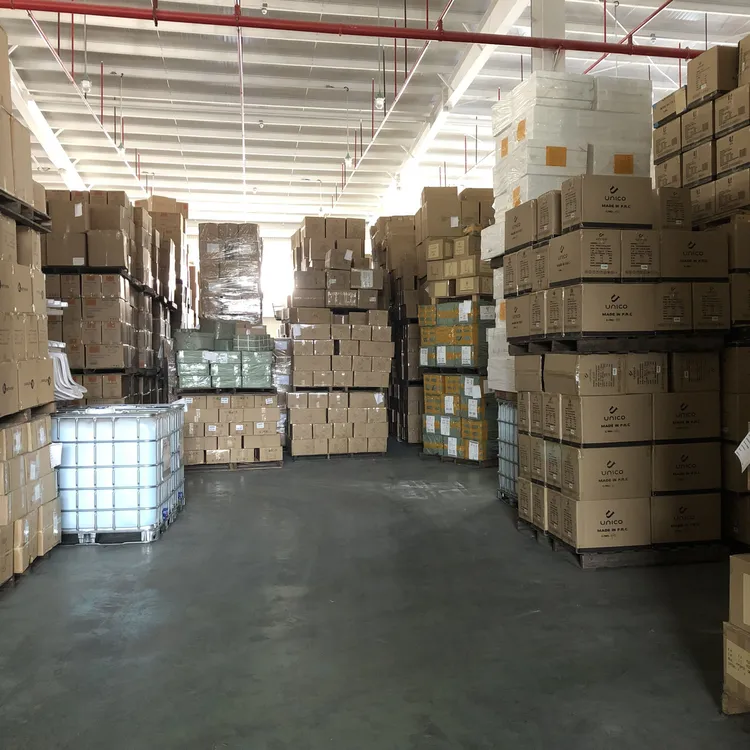
Introduction: A Beginner’s Guide to Importing from China
China is one of the largest manufacturing centers in the world, offering millions of products at competitive prices. Many global businesses import products from China, including:
- Electronics
- Clothing
- Furniture
- Machinery
- Auto parts
- Consumer goods
- Industrial products
However, for beginners, importing from China can seem complicated. Many new buyers worry about:
- Finding reliable suppliers
- Choosing the right shipping method
- Understanding customs procedures
- Calculating total costs
- Avoiding shipping problems
This step-by-step guide explains the complete process of importing products from China, from supplier selection to final delivery.
Step 1: Research the Products You Want to Import
Before purchasing from China, the first step is market research.
You should understand:
Product Demand
Ask yourself:
- Is there customer demand?
- Who are the target buyers?
- What is the expected selling price?
Product Requirements
Confirm:
- Product specifications
- Materials
- Quality standards
- Certifications required in your country
Different markets have different regulations.
Examples:
- Electronics may require safety certifications
- Food products may require special approval
- Machinery may need compliance documents
Step 2: Find Reliable Chinese Suppliers
Finding the right supplier is one of the most important parts of importing.
Common ways to find suppliers:
- B2B platforms
- Trade exhibitions
- Manufacturer websites
- Industry directories
- Professional sourcing companies
How to Evaluate a Supplier
Check:
Factory Experience
Ask about:
- Years in business
- Production capacity
- Main export markets
Product Quality
Request:
- Product samples
- Factory photos
- Quality inspection reports
Communication Ability
A reliable supplier should provide:
- Clear answers
- Fast responses
- Professional documents
Step 3: Request Product Quotes from China Suppliers
When contacting suppliers, provide detailed requirements.
Include:
- Product name
- Quantity
- Specifications
- Packaging requirements
- Shipping destination
A complete quotation should include:
- Product price
- Minimum order quantity (MOQ)
- Production time
- Payment terms
Step 4: Order Samples Before Bulk Purchase
Never start with a large order without testing quality.
Samples help you check:
- Product appearance
- Material quality
- Function performance
- Packaging
For new importers, sample orders reduce business risks.
Step 5: Negotiate Price and Trade Terms
After confirming product quality, discuss:
Product Price
Factors affecting price:
- Order quantity
- Materials
- Customization
- Packaging
Payment Terms
Common payment methods:
- Bank transfer (T/T)
- Letter of credit (L/C)
- Online payment solutions
Trade Terms
Common Incoterms include:
EXW
Buyer handles transportation from the factory.
FOB
Supplier delivers goods to the export port.
CIF
Supplier arranges transportation to the destination port.
DDP
Supplier or logistics provider handles delivery, customs, and duties.
Step 6: Choose the Right Shipping Method from China
The shipping method depends on:
- Product volume
- Budget
- Delivery time
Sea Freight
Best for:
- Large quantities
- Heavy products
- Cost-sensitive shipments
Advantages:
- Lowest transportation cost
- Large capacity
Air Freight
Best for:
- Urgent orders
- High-value products
- Samples
Advantages:
- Fast delivery
Express Shipping
Best for:
- Small packages
- Documents
- Product samples
Railway Shipping
Best for:
- China-Europe trade routes
Step 7: Prepare Import Documents
Proper documents are essential for smooth customs clearance.
Common documents include:
Commercial Invoice
Contains:
- Product description
- Quantity
- Value
- Seller and buyer information
Packing List
Includes:
- Package numbers
- Weight
- Dimensions
Bill of Lading / Air Waybill
Transportation document issued by the carrier.
Certificate of Origin
Shows where the products were manufactured.
Step 8: Work With a Freight Forwarder
A professional China freight forwarder can simplify the import process.
Services may include:
Supplier Pickup
Collect goods from Chinese factories.
Warehousing
Store and consolidate products before shipment.
Export Customs Clearance
Handle export procedures in China.
International Shipping
Arrange:
- Sea freight
- Air freight
- Railway transportation
Import Customs Support
Assist with destination customs requirements.
Final Delivery
Deliver goods to:
- Warehouse
- Factory
- Store
- Customer location
Step 9: Complete Customs Clearance
When goods arrive in your country, customs will check:
- Product information
- Import documents
- Declared value
Possible costs include:
- Import duties
- Taxes
- Customs fees
Understanding your country’s regulations helps avoid delays.
Step 10: Receive and Inspect Your Goods
After delivery:
Check:
- Product quantity
- Product quality
- Packaging condition
If ordering large quantities, consider:
- Third-party inspection
- Factory quality control
Common Mistakes Beginners Make When Importing from China
1. Choosing Suppliers Only Based on Low Prices
The cheapest supplier may not provide the best quality.
Consider:
- Experience
- Communication
- Production ability
2. Ignoring Shipping Costs
Product price is only part of the total cost.
Calculate:
- Product cost
- Shipping cost
- Customs duties
- Taxes
- Local delivery
3. Not Understanding Import Regulations
Different countries have different rules.
Always check:
- Required certificates
- Restricted products
- Customs requirements
4. Ordering Too Much Too Early
Start with:
- Samples
- Small test orders
Then increase quantity after confirming market demand.
How a China Freight Forwarder Helps Importers
A professional logistics partner can help beginners by providing:
- Shipping consultation
- Freight quotations
- Supplier coordination
- Cargo consolidation
- Customs clearance
- Door-to-door delivery
This reduces the complexity of international trade and helps businesses import products more efficiently.
Conclusion: Start Importing from China with the Right Strategy
Importing products from China can create great business opportunities, but success requires careful planning.
A successful import process includes:
- Choosing the right products
- Finding reliable suppliers
- Selecting suitable shipping methods
- Preparing correct documents
- Working with experienced logistics partners
With proper preparation and a reliable China freight forwarder, beginners can build a stable and efficient supply chain from China to global markets.
FAQ About Importing Products from China
1. What is the first step to import products from China?
The first step is researching products, market demand, and supplier options.
2. How can I find reliable suppliers in China?
You can find suppliers through B2B platforms, manufacturer websites, exhibitions, and professional sourcing services.
3. What is the cheapest way to ship products from China?
Sea freight is usually the cheapest option for large shipments.
4. Do beginners need a freight forwarder?
Yes. A freight forwarder can help with shipping, customs, documents, and delivery.
5. How long does importing from China take?
The timeline depends on production, shipping method, and customs. Sea freight usually takes 20–45 days, while air freight takes about 3–10 days.