

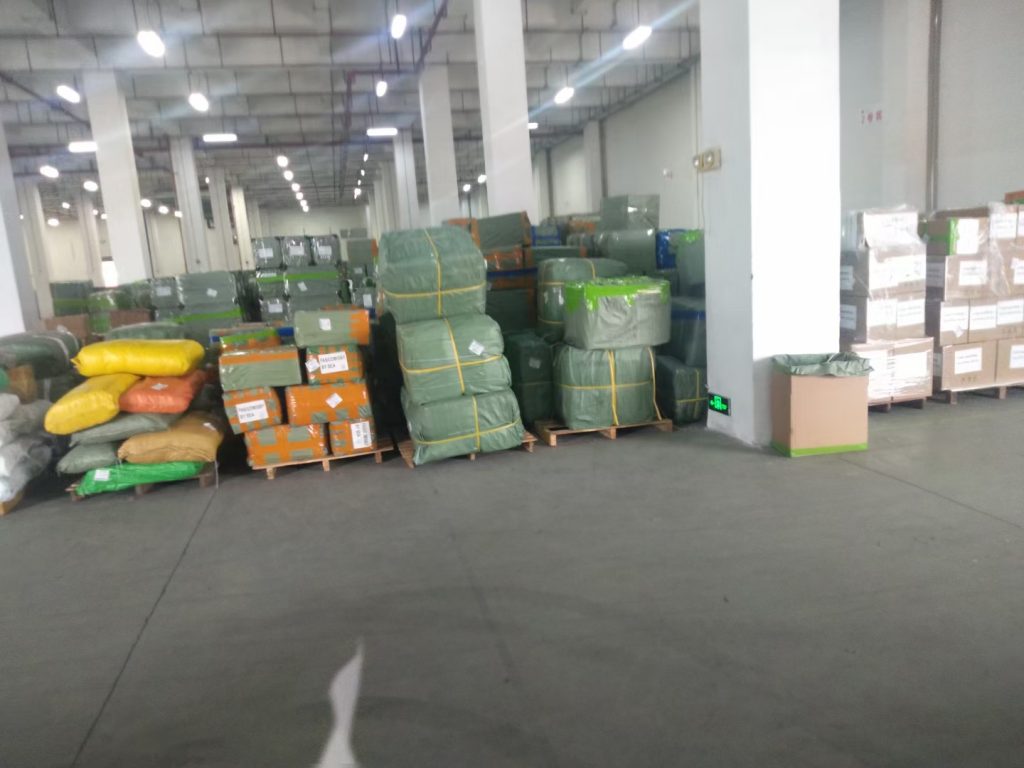
International shipping costs are one of the biggest concerns for companies importing products from China. Whether you are a small business owner, an Amazon seller, a wholesaler, or a large manufacturer, controlling logistics expenses can directly affect your profit margins.
Many importers believe that reducing sea freight costs only depends on finding a cheaper shipping rate. However, professional logistics management involves much more than price comparison.
A reliable China sea freight forwarding service can help businesses optimize shipping routes, reduce unnecessary charges, improve cargo efficiency, and create a more cost-effective supply chain.
This article explains practical ways to reduce international shipping costs when importing goods from China.
1. Understand the Main Factors Affecting China Sea Freight Costs
Before reducing shipping expenses, importers need to understand what determines sea freight prices.
1. Shipping Distance and Destination Port
The destination country and port have a major impact on costs.
For example:
- China to USA West Coast ports usually have shorter transit times than East Coast ports.
- China to Europe routes may vary depending on the destination port.
- Shipping to smaller ports may involve additional inland transportation costs.
An experienced China sea freight forwarder can recommend the most economical shipping route based on your destination.
2. Cargo Volume and Weight
Ocean freight is mainly calculated based on:
- Container size
- Cargo volume (CBM)
- Weight
- Shipping method
For small shipments:
LCL (Less than Container Load) can reduce costs because you only pay for the space you use.
For larger shipments:
FCL (Full Container Load) is usually more economical because the cost per unit becomes lower.
Choosing the correct shipping method is one of the easiest ways to save money.
3. Shipping Season and Market Changes
Ocean freight rates change frequently because of:
- Peak seasons
- Port congestion
- Fuel price changes
- Global trade demand
- Carrier capacity
Common peak seasons include:
- Before Christmas
- Chinese New Year
- Major shopping seasons
Booking shipments early helps avoid expensive peak-season rates.
2. Choose the Right Shipping Method to Control Costs
LCL Shipping for Small Cargo
LCL shipping is suitable when your cargo does not fill a container.
Advantages:
- Lower upfront cost
- Flexible shipment quantity
- Suitable for testing new products
For example, a company importing several pallets of goods from Guangzhou may save money by choosing LCL instead of paying for a full container.
FCL Shipping for Large Orders
FCL is ideal when you have enough cargo to fill a container.
Benefits include:
- Lower cost per unit
- Less handling
- Faster transportation process
- Better cargo protection
Common container options:
- 20-foot container
- 40-foot container
- 40HQ high cube container
A professional forwarder can help calculate whether FCL or LCL is more economical.
3. Optimize Your Packaging to Reduce Shipping Costs
Packaging has a direct impact on ocean freight costs.
Poor packaging can increase:
- Cargo volume
- Warehouse fees
- Container usage
Professional importers often optimize packaging by:
- Reducing unnecessary empty space
- Using suitable carton sizes
- Improving pallet arrangement
- Maximizing container loading efficiency
For example, changing product packaging from large cartons to compact cartons may allow more products to fit into one container, significantly reducing shipping costs.
4. Work With a Freight Forwarder Instead of Managing Everything Yourself
Many new importers try to arrange shipping directly to save money.
However, this often creates additional costs because they may not understand:
- Shipping documents
- Port charges
- Customs requirements
- Carrier selection
- Local delivery fees
A professional China sea freight forwarder provides:
Better Shipping Rates
Freight forwarders often cooperate with multiple shipping lines and logistics partners, allowing them to compare options.
Professional Documentation
They handle:
- Commercial invoices
- Packing lists
- Bills of lading
- Export declarations
Complete Logistics Management
They coordinate:
Supplier pickup → Warehouse → Port → Ocean shipping → Customs → Final delivery
This reduces mistakes and unexpected costs.
5. Select the Right Incoterms to Avoid Hidden Expenses
Many shipping cost problems come from misunderstanding trade terms.
Common Incoterms include:
EXW (Ex Works)
The buyer manages almost all transportation costs.
Suitable for experienced importers with logistics partners.
FOB (Free on Board)
The supplier handles delivery to the export port.
The buyer manages international shipping.
Popular for international trade.
CIF (Cost, Insurance and Freight)
The seller arranges ocean transportation and insurance to the destination port.
DDP (Delivered Duty Paid)
The logistics provider manages:
- Shipping
- Customs clearance
- Import duties
- Final delivery
Suitable for companies wanting a simple importing process.
6. Avoid Common Extra Charges in Sea Freight
Many importers face unexpected fees because they do not understand local charges.
Common additional costs include:
- Documentation fees
- Handling charges
- Storage fees
- Customs inspection fees
- Port charges
- Delivery surcharges
A professional freight forwarder provides a transparent quotation showing all expected costs.
7. Consolidate Shipments From Multiple Suppliers
Many international buyers purchase from different Chinese factories.
Instead of shipping separately, they can use a consolidation service.
Process:
Multiple suppliers → China warehouse → Cargo consolidation → One shipment
Benefits:
- Lower transportation cost
- Easier inventory management
- Fewer customs documents
- Better container utilization
This is especially useful for buyers sourcing from:
- Guangzhou
- Shenzhen
- Yiwu
- Ningbo
- Shanghai
8. Choose the Right China Export Port
China has many international shipping ports.
Major ports include:
- Shenzhen Port
- Guangzhou Port
- Shanghai Port
- Ningbo Port
- Qingdao Port
- Xiamen Port
The closest port is not always the cheapest.
A professional freight forwarder compares:
- Ocean freight rates
- Trucking costs
- Port efficiency
- Shipping schedules
to find the best solution.
9. Use Technology for Better Freight Management
Modern freight forwarding companies use digital tools to improve efficiency.
Useful features include:
- Online quotations
- Shipment tracking
- Document management
- Cargo status updates
Real-time visibility helps businesses avoid delays and improve planning.
10. Build a Long-Term Relationship With Your Freight Forwarder
Frequent importers can reduce costs by building stable cooperation.
Long-term partnerships may provide:
- Better freight rates
- Priority booking
- Faster problem solving
- Customized logistics solutions
A reliable freight partner becomes an important part of your international supply chain.
Conclusion
Reducing international shipping costs from China requires more than searching for the cheapest freight rate.
The most effective strategies include:
- Choosing the correct shipping method
- Optimizing packaging
- Selecting suitable Incoterms
- Consolidating shipments
- Working with an experienced China sea freight forwarder
- Planning shipments in advance
A professional China sea freight forwarding service can help importers control expenses, avoid hidden fees, and build a more efficient global supply chain.
FAQ
Q1: How can I reduce sea freight costs from China?
A: Optimize packaging, choose the right shipping method, compare routes, consolidate shipments, and work with an experienced freight forwarder.
Q2: Is sea freight cheaper than air freight?
A: Yes. For large and heavy shipments, sea freight is usually much cheaper than air freight.
Q3: What information is needed for a sea freight quotation?
A: Product name, quantity, carton size, weight, volume, loading port, destination port, and shipping terms.
Q4: Can a freight forwarder help reduce customs costs?
A: A professional forwarder can help prepare correct documents and reduce delays caused by customs problems.
Q5: What is the cheapest way to ship goods from China?
A: The cheapest option depends on cargo volume, destination, and delivery requirements. LCL, FCL, consolidation, and optimized routes can all reduce costs.