

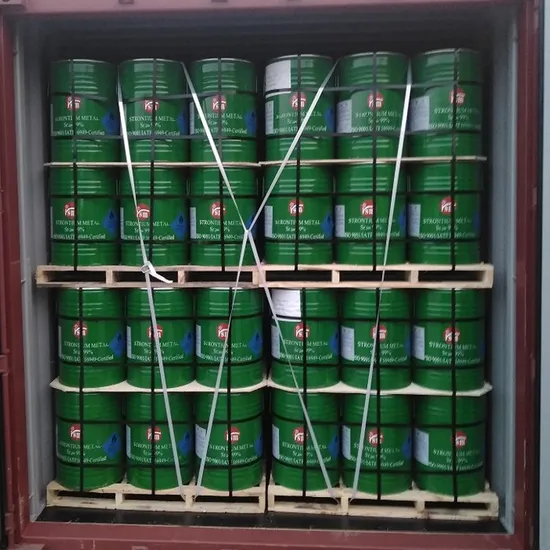
For importers buying products from China, one of the most confusing issues is that China sea freight quotes can vary significantly between different freight forwarders. Sometimes, two companies provide completely different prices for the same shipment route, making buyers unsure which quotation is reasonable.
Many importers ask:
- Why is one freight forwarder cheaper than another?
- Are there hidden charges behind a low quotation?
- How can I compare sea freight prices correctly?
- What factors determine the final shipping cost from China?
Understanding the factors behind sea freight pricing can help businesses choose the right logistics partner, avoid unexpected expenses, and control international shipping costs.
1. What Determines China Sea Freight Rates?
China sea freight costs are affected by many factors. A professional freight forwarder calculates prices based on the complete shipping situation, not just the ocean freight rate.
The main factors include:
- Shipping route
- Destination country and port
- Container type
- Cargo volume and weight
- Shipping season
- Carrier selection
- Origin location
- Additional service requirements
2. Shipping Route and Destination Port Affect Freight Prices
The shipping route is one of the biggest factors affecting sea freight costs.
For example, shipping from China to:
- USA
- Europe
- Middle East
- Southeast Asia
- Africa
will have different rates due to:
- Distance
- Vessel availability
- Port charges
- Market demand
Even within the same country, different ports may have different costs.
For example:
Shipping to a major port may be cheaper because of:
- More vessel options
- Higher shipping frequency
- Better port infrastructure
A professional China sea freight forwarder can compare different routes to find the most economical solution.
3. Container Type Influences Shipping Costs
The type of container directly affects the quotation.
Common container options include:
20GP Container
Suitable for:
- Heavy products
- Machinery
- Industrial goods
40GP Container
Suitable for:
- General cargo
- Larger shipments
40HQ Container
Suitable for:
- Lightweight products with large volume
- Furniture
- Packaging materials
Choosing the wrong container size may increase your shipping cost.
A reliable freight forwarder helps calculate:
- Cargo volume
- Container capacity
- Loading efficiency
4. Cargo Volume and Weight Are Important Factors
Sea freight pricing depends heavily on cargo information.
For LCL shipments, costs are usually calculated based on:
- Cubic meters (CBM)
- Weight
For FCL shipments, costs depend on:
- Container size
- Route
- Current market rate
Accurate cargo information is important.
You should provide:
- Product name
- Number of cartons
- Carton dimensions
- Total weight
- Total volume
Incorrect information may lead to quotation adjustments later.
5. Shipping Season Changes Freight Prices
Ocean freight rates are not fixed throughout the year.
Prices may increase during peak seasons because of higher demand.
Common peak periods include:
Before Major Holidays
Many companies increase imports before:
- Christmas season
- New Year sales
- Shopping festivals
Before Chinese New Year
Many factories and logistics companies become busier before the holiday period.
During peak seasons:
- Container space becomes limited
- Freight rates increase
- Booking becomes more difficult
Planning shipments early can help reduce costs.
6. Different Shipping Lines Offer Different Prices
China has many international shipping carriers.
Different carriers may provide different:
- Freight rates
- Transit times
- Service quality
- Sailing schedules
A professional freight forwarder works with multiple shipping lines and can compare options.
The cheapest carrier is not always the best choice.
Importers should consider:
- Delivery reliability
- Schedule stability
- Customer service
- Transit time
7. Origin Location Affects China Sea Freight Costs
The location of your supplier in China also affects the total cost.
China has many manufacturing areas:
- Shenzhen
- Guangzhou
- Dongguan
- Foshan
- Yiwu
- Shanghai
- Ningbo
- Qingdao
Costs may include:
- Factory pickup
- Truck transportation
- Warehouse handling
- Port charges
For example, a factory far from the port may have higher inland transportation costs.
A good freight forwarder can recommend the most suitable export port.
8. Additional Services Change the Final Price
A sea freight quotation may include different service levels.
Basic service:
- Port-to-port shipping
More complete services:
- Factory pickup
- Warehouse storage
- Cargo consolidation
- Export customs clearance
- Import customs clearance
- Final delivery
Common additional costs include:
- Documentation fees
- Warehouse fees
- Customs fees
- Inspection fees
- Delivery charges
Always confirm what is included before choosing a quotation.
9. Why the Cheapest Sea Freight Quote May Not Be the Best
Many importers make decisions based only on price.
However, extremely low quotations may have problems:
Hidden Charges
Some fees may appear later.
Poor Communication
The forwarder may not provide shipment updates.
Limited Problem-Solving Ability
When delays happen, inexperienced companies may not know how to handle them.
A reliable freight forwarder should provide:
- Transparent pricing
- Clear service details
- Professional communication
- Complete logistics solutions
10. How to Compare China Sea Freight Quotes Correctly
When comparing quotations, check:
1. Is the Service Scope the Same?
Compare:
- Same shipping route
- Same container type
- Same delivery method
2. Are All Charges Included?
Ask about:
- Origin fees
- Destination fees
- Customs clearance
- Local delivery
3. Is the Transit Time Reasonable?
A cheaper route may take longer.
Choose according to your business needs.
4. Does the Forwarder Have Experience?
Consider:
- Years in business
- Destination knowledge
- Customer service ability
- Industry experience
11. How Professional China Sea Freight Forwarders Help Reduce Costs
Experienced freight forwarders help importers save money through:
Route Optimization
Choosing the best port and shipping schedule.
Cargo Consolidation
Combining shipments from different suppliers.
Better Carrier Selection
Comparing multiple shipping options.
Documentation Accuracy
Reducing delays and extra charges.
Supply Chain Planning
Helping businesses arrange shipments efficiently.
Conclusion
China sea freight quotes vary because many factors influence international shipping costs, including shipping routes, container types, cargo volume, seasons, carriers, and additional services.
Importers should not choose a freight forwarder only by the lowest price. A reliable China sea freight partner provides transparent quotations, professional service, and cost-effective shipping solutions.
By understanding how sea freight prices are calculated, businesses can make better decisions, reduce logistics expenses, and build a more efficient import supply chain.
FAQ
Q1: Why do different China sea freight forwarders give different prices?
A: Different forwarders may use different carriers, routes, service levels, and cost structures.
Q2: What information is needed for an accurate sea freight quotation?
A: Product details, volume, weight, loading location, destination, and shipping requirements.
Q3: Are cheap sea freight quotes always better?
A: No. Low prices may exclude important services or additional fees.
Q4: How can I reduce shipping costs from China?
A: Optimize packaging, choose the right shipping method, consolidate shipments, and work with experienced forwarders.
Q5: How often do China sea freight rates change?
A: Rates can change frequently depending on market demand, seasons, fuel costs, and shipping capacity.