

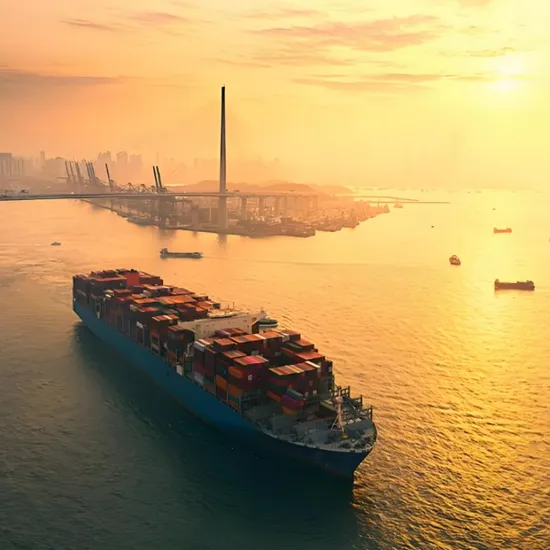
For new importers, starting international trade can be challenging. Finding reliable suppliers in China is only the first step. Choosing the right China sea freight forwarder is equally important because logistics directly affects your costs, delivery time, and customer satisfaction.
Many beginners face questions such as:
- How do I find a reliable freight forwarder in China?
- What documents are required for sea shipping?
- How does the shipping process work?
- How can I avoid unexpected charges?
- Should I choose LCL, FCL, or door-to-door shipping?
A professional China sea freight forwarder can guide new importers through every stage, from supplier pickup and booking to customs clearance and final delivery.
This guide explains the complete process and helps beginners make better logistics decisions.
1. Why New Importers Need a Professional China Sea Freight Forwarder
International shipping is more complicated than simply moving goods from one country to another.
The process involves:
- Supplier coordination
- Export regulations
- Shipping schedules
- Container booking
- Customs documentation
- Destination clearance
- Local delivery
For experienced importers, these steps may be familiar. But for beginners, mistakes can cause:
- Shipment delays
- Additional costs
- Customs problems
- Lost time
- Business losses
A professional freight forwarder acts as a logistics expert who manages the entire transportation process.
2. How to Find a Reliable China Sea Freight Forwarder
1. Check Industry Experience
Experience is one of the most important factors.
A reliable forwarder should understand:
- International shipping procedures
- Your destination country
- Your product category
- Customs requirements
For example:
Shipping machinery, electronics, furniture, or food products may require different handling methods.
Choose a forwarder that has experience with your type of cargo.
2. Check Their Service Range
A professional China sea freight forwarder should offer multiple solutions:
LCL Shipping
Suitable for:
- Small shipments
- Trial orders
- New businesses
FCL Shipping
Suitable for:
- Large quantities
- Regular imports
- Full container shipments
Door-to-Door Shipping
Includes:
- Factory pickup
- Export customs
- Ocean transportation
- Import clearance
- Final delivery
A wider service range gives importers more flexibility.
3. Evaluate Communication Ability
Good communication is essential for international logistics.
A reliable forwarder should:
- Respond quickly
- Provide clear quotations
- Update shipment progress
- Explain problems professionally
Poor communication can lead to serious shipping problems.
3. Complete China Sea Freight Process for Beginners
Understanding the shipping process helps new importers avoid mistakes.
Step 1: Confirm Supplier and Cargo Details
Before requesting a freight quote, prepare:
- Product name
- Quantity
- Number of cartons
- Carton dimensions
- Total weight
- Total volume
- Supplier location
- Destination country
Accurate information helps the forwarder provide a correct quotation.
Step 2: Choose the Right Shipping Method
There are mainly two options:
LCL Shipping
Choose LCL when:
- Cargo volume is small
- You do not need a full container
- You want lower initial costs
FCL Shipping
Choose FCL when:
- Cargo volume is large
- You want better cost efficiency
- You need more control over your shipment
A freight forwarder can help calculate which option is better.
Step 3: Receive and Compare Freight Quotations
When comparing quotations, do not only check the price.
Review:
- Ocean freight
- Origin charges
- Destination charges
- Customs fees
- Delivery costs
- Service scope
A complete quotation should clearly explain what is included.
Step 4: Book Shipping Space
After confirming the quotation, the forwarder arranges:
- Shipping line booking
- Container reservation
- Loading schedule
During busy seasons, early booking helps avoid delays.
Step 5: Cargo Pickup and Container Loading
The forwarder coordinates with suppliers.
Services may include:
- Factory pickup
- Warehouse receiving
- Cargo inspection
- Container loading
Proper loading protects goods during transportation.
Step 6: Export Customs Clearance in China
Before leaving China, goods must pass export procedures.
Required documents usually include:
Commercial Invoice
Contains:
- Product details
- Value
- Buyer information
Packing List
Contains:
- Package quantity
- Weight
- Dimensions
Bill of Lading
Issued after shipment departure.
A professional forwarder helps ensure documents are correct.
Step 7: Ocean Transportation
After export clearance, the container is shipped to the destination country.
During transportation, the forwarder provides:
- Shipment updates
- Vessel information
- Estimated arrival time
Step 8: Destination Customs Clearance
When goods arrive, import procedures begin.
Requirements vary by country.
Possible requirements include:
- Import declaration
- Product certificates
- Tax payment
- Customs inspection
An experienced forwarder helps reduce clearance risks.
Step 9: Final Delivery
After customs clearance, goods are delivered to:
- Warehouse
- Store
- Factory
- Customer address
Door-to-door shipping provides a complete solution for beginners.
4. Common Mistakes New Importers Should Avoid
Mistake 1: Choosing the Cheapest Forwarder
The lowest price may exclude important services.
Always compare:
- Price
- Experience
- Communication
- Service quality
Mistake 2: Not Understanding Shipping Terms
Important Incoterms include:
EXW
Buyer handles most transportation responsibilities.
FOB
Supplier delivers goods to the export port.
CIF
Seller arranges shipping and insurance to destination port.
DDP
Logistics provider handles delivery including duties.
Understanding these terms prevents misunderstandings.
Mistake 3: Providing Incorrect Cargo Information
Wrong information about:
- Weight
- Volume
- Product type
may result in higher costs later.
Mistake 4: Ignoring Customs Requirements
Different countries have different regulations.
Before shipping, confirm:
- Required documents
- Import restrictions
- Tax requirements
5. How New Importers Can Reduce Shipping Costs
Consolidate Supplier Orders
If buying from multiple factories:
Supplier A + Supplier B + Supplier C → One consolidated shipment
This reduces transportation expenses.
Optimize Packaging
Better packaging can:
- Reduce volume
- Fit more products into containers
- Lower shipping costs
Plan Ahead
Avoid last-minute shipping during:
- Peak seasons
- Holiday periods
- High-demand periods
Build a Long-Term Relationship
A reliable logistics partner can provide:
- Better service
- More stable pricing
- Faster problem solving
6. Why Choose Door-to-Door Sea Freight for Beginners?
Many new importers prefer door-to-door service because it simplifies logistics.
The forwarder manages:
China supplier → Export → Ocean shipping → Customs → Final destination
Benefits:
- Less paperwork
- Easier communication
- Lower operational pressure
- Better shipment control
Conclusion
For new importers, choosing the right China sea freight forwarder is one of the most important steps in successful international trade.
A professional logistics partner helps beginners:
- Understand shipping procedures
- Choose the right transportation method
- Avoid hidden costs
- Complete customs clearance smoothly
- Receive goods safely
From booking containers to final delivery, an experienced China sea freight forwarder makes global importing easier and more reliable.
FAQ
Q1: How can a beginner find a reliable China sea freight forwarder?
A: Check experience, service range, customer communication, destination knowledge, and transparent pricing.
Q2: What is the first step when shipping from China?
A: Prepare complete cargo information and request a detailed freight quotation.
Q3: Should beginners choose LCL or FCL shipping?
A: LCL is suitable for small shipments, while FCL is better for larger orders.
Q4: Can a freight forwarder handle customs clearance?
A: Yes. Many professional forwarders provide export and import customs services.
Q5: Is door-to-door sea freight suitable for new importers?
A: Yes. It reduces complexity by allowing one logistics provider to manage the entire process.