

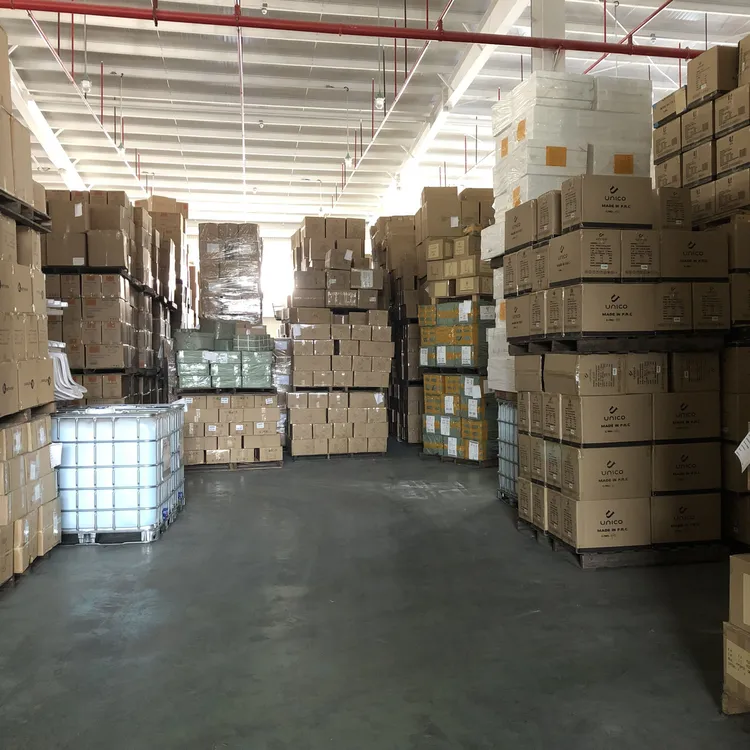
Introduction: Choosing the Right Shipping Method When Importing from China
When importing products from China, selecting the right transportation method is one of the most important decisions for international buyers.
The wrong choice can lead to:
- Higher logistics costs
- Longer delivery times
- Inventory problems
- Unexpected expenses
The two most common international shipping methods from China are sea freight and air freight.
Sea freight is widely used for large-volume cargo because of its lower cost, while air freight is preferred for urgent shipments that require faster delivery.
Understanding the differences between sea freight and air freight helps importers choose the best solution based on their product type, budget, and delivery requirements.
1. What Is Sea Freight from China?
Sea freight is the transportation of goods by ocean vessels from Chinese ports to international destinations.
China has many major export ports, including:
- Shenzhen Port
- Guangzhou Port
- Shanghai Port
- Ningbo Port
- Qingdao Port
- Xiamen Port
Sea freight is the most common choice for international trade because ships can transport large quantities of cargo at relatively low costs.
Main Types of Sea Freight
Full Container Load (FCL)
FCL means one importer uses the entire container.
Common container sizes:
- 20-foot container (20GP)
- 40-foot container (40GP)
- 40-foot high cube container (40HQ)
Suitable for:
- Large orders
- Factory shipments
- Heavy products
- Commercial cargo
Advantages:
- Lower cost per unit
- Faster loading
- Better cargo security
Less Than Container Load (LCL)
LCL means several importers share container space.
Suitable for:
- Small shipments
- Trial orders
- New businesses
Advantages:
- No need to wait for a full container
- Lower starting cost
2. What Is Air Freight from China?
Air freight transports goods using commercial or cargo aircraft.
Major Chinese air cargo hubs include:
- Shenzhen Bao’an Airport
- Guangzhou Baiyun Airport
- Shanghai Pudong Airport
- Beijing Capital Airport
Air freight is designed for businesses that need faster transportation.
Suitable Products for Air Freight
Common air freight products include:
- Electronic components
- Samples
- Luxury goods
- Spare parts
- Urgent business orders
3. Sea Freight vs Air Freight: Main Differences
Delivery Speed
Air Freight
Usually much faster.
Typical situations:
- Urgent orders
- Product launches
- Emergency replacement parts
Sea Freight
Requires more transportation time.
However, it is suitable when:
- Delivery schedules are flexible
- Cost is more important than speed
4. Cost Comparison Between Sea Freight and Air Freight
Sea Freight Cost
Sea freight is usually much cheaper for large shipments.
Advantages:
- Lower transportation cost
- Suitable for heavy and bulky cargo
- Better for wholesale orders
Example products:
- Furniture
- Machinery
- Building materials
- Large quantities of consumer products
Air Freight Cost
Air freight is more expensive because aircraft capacity is limited.
However, the higher cost may be worthwhile when:
- Products have high profit margins
- Customers need fast delivery
- Inventory shortages must be solved quickly
5. Weight and Volume Considerations
Shipping companies calculate transportation costs differently.
Sea Freight
Usually calculated based on:
- Container size
- Cubic meter (CBM)
- Cargo volume
Best for:
- Large volume shipments
Air Freight
Usually calculated based on:
- Actual weight
- Volumetric weight
Best for:
- Small and lightweight products
6. Advantages of Sea Freight from China
Lower Shipping Costs
The biggest advantage of sea freight is cost efficiency.
Businesses can transport large quantities without paying extremely high transportation fees.
Suitable for Large Orders
Sea freight supports:
- Full containers
- Heavy cargo
- Oversized products
More Flexible Cargo Capacity
Ocean vessels can carry thousands of containers, making them ideal for global trade.
7. Advantages of Air Freight from China
Fast Delivery
The biggest advantage is speed.
Air freight helps businesses:
- Reduce inventory waiting time
- Respond quickly to market demand
- Deliver urgent products
Better for High-Value Products
For expensive goods, faster transportation can reduce storage risks.
Examples:
- Electronics
- Precision equipment
- Fashion products
More Frequent Shipping Options
Many international airports operate daily flights, providing flexible schedules.
8. How to Choose Between Sea Freight and Air Freight?
Importers should consider several factors.
Factor 1: Product Type
Choose sea freight for:
- Furniture
- Machinery
- Large equipment
- Bulk products
Choose air freight for:
- Samples
- Electronics
- Urgent items
- High-value goods
Factor 2: Order Quantity
Large quantity:
→ Sea freight is usually better
Small quantity:
→ Air freight may be more practical
Factor 3: Delivery Deadline
If customers require fast delivery:
→ Air freight may be necessary
If delivery time is flexible:
→ Sea freight can reduce costs
Factor 4: Profit Margin
For high-margin products, faster delivery may create more business value.
For low-margin products, controlling shipping costs is usually more important.
9. Common Shipping Mistakes Importers Make
Choosing Only Based on Price
The cheapest option is not always the best.
Consider:
- Delivery time
- Reliability
- Total cost
Ignoring Seasonal Shipping Changes
During peak seasons such as:
- Christmas
- Chinese New Year
- Shopping festivals
Shipping demand increases and delays may occur.
Incorrect Cargo Information
Wrong:
- Weight
- Dimensions
- Product description
can lead to additional charges.
10. Combining Sea Freight and Air Freight Solutions
Some businesses use a combination strategy.
Example:
A company imports 10,000 products from China.
Solution:
- 90% shipped by sea freight
- 10% shipped by air freight
Benefits:
- Reduce total costs
- Maintain product availability
- Handle urgent demand
11. How a China Freight Forwarder Helps Choose the Best Method
A professional freight forwarder analyzes:
- Product characteristics
- Destination country
- Budget
- Delivery requirements
- Customs requirements
They can recommend:
- Sea freight
- Air freight
- Railway transportation
- Express delivery
- Door-to-door solutions
A reliable logistics partner helps importers avoid unnecessary costs and shipping problems.
FAQ: Sea Freight vs Air Freight from China
Which is cheaper, sea freight or air freight?
Sea freight is usually cheaper, especially for large and heavy shipments.
Which is faster, sea freight or air freight?
Air freight is significantly faster than sea freight.
Can small businesses use sea freight?
Yes. Small businesses can use LCL sea freight for smaller shipments.
Is air freight suitable for large shipments?
Usually not. Large-volume cargo is generally more cost-effective by sea.
How can I choose the best shipping method from China?
Consider:
- Product type
- Cargo size
- Budget
- Delivery deadline
- Destination requirements
Conclusion: Choose the Right Shipping Method for Successful China Imports
Sea freight and air freight both play important roles in international trade.
Sea freight provides a cost-effective solution for large shipments, while air freight offers speed and flexibility for urgent cargo.
The best shipping method depends on your business needs, product characteristics, budget, and delivery expectations.
By working with an experienced China freight forwarder, importers can compare different options and create a reliable shipping strategy that supports long-term international business growth.