

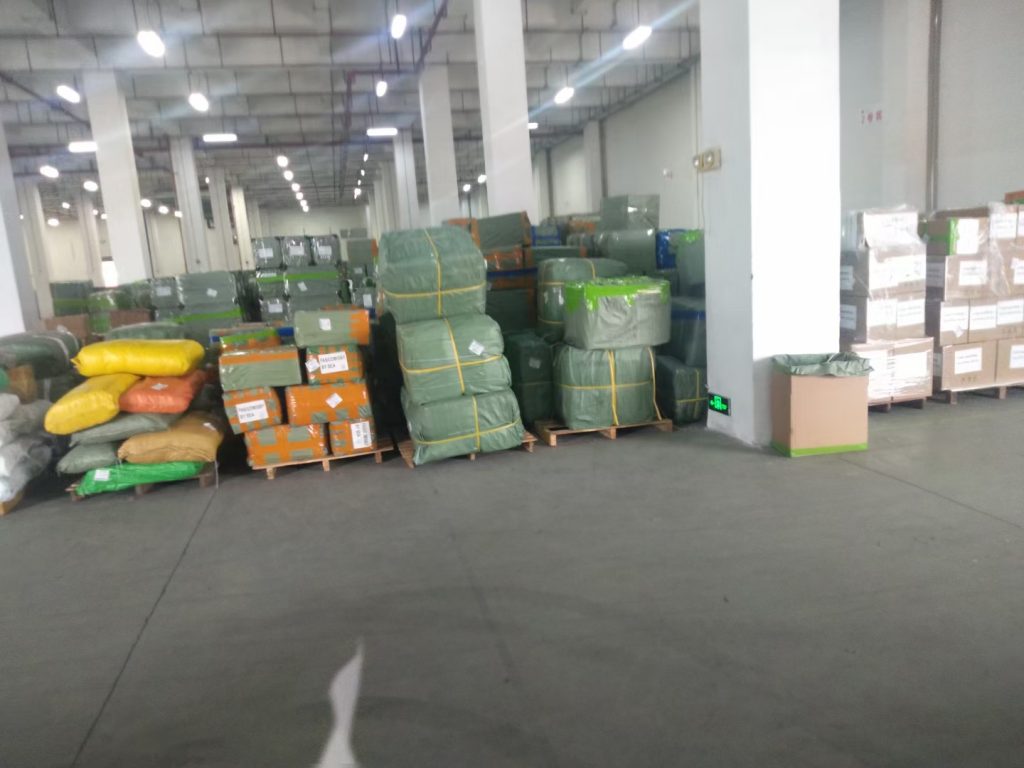
Shipping goods from China to the USA is one of the most common international logistics routes for importers, wholesalers, e-commerce sellers, manufacturers, and distributors.
However, choosing the right shipping method can be difficult. Air freight may be faster, sea freight may be more economical for larger shipments, while DDP can simplify the delivery and import process when the service is properly arranged.
The best option depends on your cargo type, weight, volume, delivery deadline, destination, customs requirements, and total logistics budget.
This guide explains the differences between air freight, sea freight, LCL, FCL, and DDP shipping from China to the USA, including cost factors, transit considerations, customs, documentation, and how to request an accurate shipping quotation.
What Is the Best Way to Ship From China to the USA?
There is no single shipping method that is best for every shipment.
Generally:
- Air freight is suitable when speed is important.
- Sea freight is suitable for larger shipments and less urgent cargo.
- LCL is useful for shipments that do not require a full container.
- FCL is suitable for larger containerized shipments.
- DDP can provide a more comprehensive door-to-door solution when the agreed service includes the necessary import arrangements.
Before choosing a method, compare the total cost and delivery requirements rather than looking only at the basic freight rate.
1. China to USA Air Freight
Air freight is commonly used when the buyer needs goods from China relatively quickly.
It may be suitable for:
- Samples
- Small commercial shipments
- Urgent inventory
- High-value products
- Time-sensitive orders
- Products with relatively low volume
Major Chinese airports and logistics hubs include locations around:
- Shenzhen
- Guangzhou
- Shanghai
- Beijing
- Hong Kong
The appropriate airport depends on the supplier location, cargo characteristics, flight availability, and destination.
Advantages of Air Freight
Air freight can offer:
- Faster transportation
- More frequent departures on some routes
- Suitable service for urgent cargo
- Good option for relatively small shipments
Disadvantages
The main disadvantage is cost.
For bulky or heavy commercial cargo, air freight can become considerably more expensive than ocean transportation.
Air freight charges may also be affected by chargeable weight.
2. China to USA Sea Freight
Sea freight is widely used for commercial shipments from China to the United States.
It can be suitable for:
- Furniture
- Machinery
- Plastic products
- Packaging
- Consumer goods
- Clothing
- Industrial equipment
- Large commercial orders
Sea freight can be arranged as either FCL or LCL.
FCL Shipping
FCL means Full Container Load.
Common container types include:
- 20GP
- 40GP
- 40HQ
The appropriate container depends on the cargo volume, weight, product type, and carrier requirements.
LCL Shipping
LCL means Less than Container Load.
Your cargo shares container space with other shipments.
LCL can be useful when the cargo volume is not large enough to justify a full container.
However, LCL can involve additional origin and destination handling charges, so compare the complete cost before choosing it.
3. China to USA DDP Shipping
DDP is often searched for by buyers who want a simplified door-to-door logistics solution.
Under the DDP Incoterm, the seller generally assumes broad responsibility for delivering the goods to the agreed destination, including import formalities and applicable duties/taxes as specified by the contract.
However, actual DDP arrangements can vary depending on the shipment and service provider.
Before choosing DDP, confirm:
- Is pickup included?
- Is export customs clearance included?
- Is international transportation included?
- Is US customs clearance included?
- Are duties and taxes included?
- Is final delivery included?
- Are residential delivery charges included?
- Are remote-area fees included?
- Are there cargo restrictions?
- Who is responsible for the required import formalities?
Never assume that every service advertised as “DDP” includes exactly the same services.
4. Which Is Cheaper: Air Freight or Sea Freight?
For many larger commercial shipments, sea freight is generally more economical than air freight.
However, comparing the two based only on the transportation rate can be misleading.
You should compare:
Total cost + transit time + customs + delivery + cargo requirements
For example, a small urgent shipment may be more practical by air even if the rate per kilogram is higher.
A large shipment with a flexible delivery schedule may be better suited to sea freight.
The right choice depends on your business requirements.
5. China to USA Door-to-Door Shipping
Door-to-door shipping means the logistics provider coordinates transportation from the supplier or pickup location in China to the agreed delivery address in the United States.
A typical shipment may involve:
Supplier → China warehouse → Export customs → Main transportation → US customs → Local transportation → Final delivery
This can reduce the number of logistics providers the buyer needs to coordinate.
When requesting a door-to-door quotation, provide:
- Supplier address
- Destination address
- Product description
- Carton quantity
- Dimensions
- Gross weight
- Total volume
- Cargo value
- Preferred shipping method
For residential or remote destinations, additional delivery requirements may apply.
6. Major China-to-USA Shipping Costs
The total cost may contain several components.
Depending on the service, you may need to consider:
- Supplier pickup
- Trucking
- Warehouse receiving
- Export customs clearance
- Documentation
- Ocean freight
- Air freight
- Port or airport handling
- Customs clearance
- Duties and taxes
- Destination handling
- Local delivery
- Storage
- Special handling
- Insurance
This is why two freight forwarders can quote very different prices for apparently similar shipments.
Always ask for a detailed quotation showing included and excluded charges.
7. What Information Is Needed for a China-to-USA Freight Quote?
To obtain an accurate quotation, provide as much of the following information as possible:
Origin:
City and supplier address in China
Destination:
US city, ZIP code, port, airport, or complete delivery address
Product:
Detailed description
Quantity:
Number of cartons or pallets
Carton dimensions:
Length × width × height
Gross weight:
Total shipment weight
Volume:
Total CBM
Cargo value:
Commercial value
Shipping method:
Air, sea, LCL, FCL, or DDP where applicable
Special cargo information:
Batteries, liquids, chemicals, magnets, oversized cargo, fragile goods, etc.
Incomplete information may result in an estimated quotation rather than a final quotation.
8. Why Cargo Dimensions Matter
Many buyers provide only the total weight.
This is not enough for some shipping methods.
For example, consider a shipment with:
- 20 cartons
- 10 kg per carton
- 50 × 40 × 30 cm per carton
The total actual weight would be:
20 × 10 = 200 kg
But the total cargo volume is also important because carriers and forwarders need to determine the appropriate transportation method and chargeable weight.
For air freight, volumetric weight may be relevant.
For sea freight, CBM can be important for LCL calculations.
Accurate dimensions help prevent quotation adjustments later.
9. Customs Clearance for Shipping to the USA
US imports must comply with applicable customs and import requirements.
Depending on the shipment, documentation may include:
- Commercial invoice
- Packing list
- Bill of lading
- Air waybill
- Product information
- Import-related documentation
- Product-specific permits or compliance documents where required
The requirements vary according to the product and shipment.
Products such as food, cosmetics, electronics, batteries, machinery, medical products, and other regulated goods may have additional requirements.
Before shipping, provide accurate product information to your logistics provider.
10. China to USA Shipping for E-Commerce Sellers
E-commerce sellers often have different logistics requirements from traditional importers.
They may need:
- Small parcel shipping
- Air freight
- Consolidation
- Warehouse receiving
- Inventory replenishment
- Door-to-door delivery
- Amazon-related delivery arrangements
- Commercial warehouse delivery
- Residential delivery
The best logistics solution depends on order volume, inventory turnover, product size, destination, and required delivery speed.
For e-commerce businesses, shipping cost should be considered together with inventory planning.
A slightly more expensive but faster transportation option may be useful when stock shortages are expensive.
11. Shipping Furniture and Large Cargo From China to the USA
Large furniture and bulky products require special attention because volume can become more important than weight.
Examples include:
- Sofas
- Tables
- Cabinets
- Chairs
- Beds
- Outdoor furniture
- Commercial fixtures
For these products, sea freight is often considered because of the relatively large cargo volume.
The forwarder may need to evaluate:
- Carton dimensions
- Packing method
- Total CBM
- Number of pieces
- Container loading
- Delivery address
- Liftgate requirements
- Residential delivery
- Oversized handling
Provide accurate dimensions before requesting a quotation.
12. Shipping Machinery From China to the USA
Machinery can involve additional logistics considerations.
The freight forwarder may need:
- Product dimensions
- Total weight
- Center of gravity
- Packaging information
- Loading method
- Equipment requirements
- Destination delivery conditions
Oversized or heavy machinery may require specialized transportation rather than standard container or air freight services.
For heavy equipment, ask the forwarder to confirm whether the quoted price includes loading, unloading, trucking, customs clearance, and final delivery.
13. How to Choose a China-to-USA Freight Forwarder
When comparing freight forwarders, consider:
Route Experience
Does the company regularly handle China-to-USA shipments?
Service Coverage
Can they provide air freight, sea freight, LCL, FCL, or door-to-door services?
Customs Support
Can they coordinate the required export and import customs procedures?
Transparent Pricing
Does the quotation clearly identify included and excluded charges?
Communication
Can you receive timely shipment updates?
Cargo Handling
Can the company handle your specific product?
Problem Solving
What happens if your shipment is delayed, inspected, damaged, or held?
A reliable freight forwarder should be able to explain these issues before you book.
14. How to Avoid Unexpected Shipping Charges
Unexpected charges are one of the most common complaints among international buyers.
Before booking, ask:
What is included in the quotation?
What is excluded?
Are destination charges included?
Are customs clearance fees included?
Are duties and taxes included?
Is final delivery included?
Are residential or remote-area charges included?
How long is the quotation valid?
Written confirmation is better than relying only on verbal statements.
15. How Long Does China-to-USA Shipping Take?
Transit time depends on the shipping method, origin, destination, carrier, route, customs clearance, and final delivery.
Air freight is generally faster than ocean freight.
Ocean shipments may take longer because of:
- Vessel schedules
- Port operations
- Transshipment
- Customs clearance
- Local delivery
Transit times should therefore be treated as estimates unless a specific guaranteed service has been agreed.
Ask your freight forwarder for an estimated timeline based on your actual origin and destination.
16. How to Reduce China-to-USA Shipping Costs
You can often reduce logistics costs through better planning.
Consolidate Supplier Shipments
If you purchase from multiple suppliers, warehouse consolidation can reduce repeated international shipments.
Optimize Packaging
Large packaging can increase transportation costs.
Select the Correct Container
For FCL shipments, choosing the appropriate container size can improve utilization.
Compare LCL and FCL
For some cargo volumes, LCL may be convenient. For larger volumes, FCL may become more economical.
Plan Ahead
Urgent transportation is often more expensive than planned shipping.
Compare Complete Quotes
Always compare the total landed logistics cost instead of the basic freight rate.
17. When Should You Choose Air Freight?
Consider air freight when:
- Delivery speed is important
- The shipment is relatively small
- Products have high value relative to weight
- Inventory needs urgent replenishment
- The buyer has a strict delivery deadline
However, check the chargeable weight before making the decision.
18. When Should You Choose Sea Freight?
Sea freight may be more suitable when:
- Cargo volume is large
- Delivery is less urgent
- Products are bulky
- The shipment is heavy
- You want to reduce transportation cost per unit
FCL and LCL should then be compared according to your actual cargo volume.
19. When Should You Consider DDP?
DDP may be useful for buyers who want a more comprehensive logistics arrangement and prefer to have transportation and import-related responsibilities coordinated by the seller/service provider according to the agreed terms.
However, DDP should be clearly documented.
Confirm:
- Total price
- Customs arrangements
- Duties and taxes
- Final delivery
- Delivery limitations
- Cargo eligibility
- Responsibilities of each party
Do not choose DDP simply because the advertised price looks cheap.
Request a China-to-USA Shipping Quote
If you are currently importing products from China to the United States, prepare your cargo information and request a detailed quotation.
A useful quote request should include:
Pickup city: China
Delivery city: USA
Product: Product name and description
Quantity: Cartons/pallets
Weight: Gross weight
Dimensions: Carton size
Volume: CBM
Cargo value: Commercial value
Preferred service: Air, sea, LCL, FCL, or DDP where applicable
Delivery requirement: Port, warehouse, commercial address, or residential address
With complete information, a freight forwarder can compare available transportation options and recommend a suitable solution.
FAQ
1. What is the cheapest way to ship from China to the USA?
There is no single cheapest option. For larger commercial shipments, sea freight can often be more economical than air freight, while small or urgent shipments may be better suited to air or express services.
2. How long does shipping from China to the USA take?
Transit time varies by shipping method, route, carrier, customs clearance, and destination. Air freight is generally faster than ocean freight, while sea freight can be more economical for larger cargo.
3. Is China-to-USA DDP shipping all-inclusive?
Not necessarily. DDP arrangements should clearly specify transportation, customs clearance, duties, taxes, final delivery, and any excluded charges. Always request a written breakdown.
4. What is the difference between LCL and FCL?
LCL means Less than Container Load, where your cargo shares container space with other shipments. FCL means Full Container Load, where a full container is allocated to your shipment.
5. Can I ship goods from multiple Chinese suppliers together?
Yes, consolidation services may allow goods from multiple suppliers to be received at a warehouse and shipped together, subject to cargo and warehouse requirements.
6. Can a freight forwarder pick up goods from my Chinese supplier?
Many freight forwarders can arrange supplier pickup. Provide the supplier’s complete address, contact person, and cargo information.
7. What information is needed for a China-to-USA freight quote?
You should provide the origin, destination, product description, number of cartons, dimensions, gross weight, total volume, cargo value, and preferred shipping method.
8. Do I need to provide the HS code?
If you know the HS code, providing it can help with the quotation and customs discussion. However, the appropriate classification should be verified according to the actual product and applicable customs requirements.
9. Can I ship batteries from China to the USA?
Battery shipments may be subject to specific transportation, packaging, labeling, documentation, and carrier requirements. Always disclose battery information before booking.
10. Can I ship furniture from China to the USA?
Yes. Furniture is commonly shipped internationally, often by sea for larger volumes. Carton dimensions, total CBM, weight, packaging, and final delivery requirements are important when requesting a quote.
11. Can I ship machinery from China to the USA?
Yes, but machinery may require additional planning depending on its size, weight, packaging, and loading requirements. Oversized machinery may require specialized transportation.
12. Does sea freight include US customs clearance?
Not automatically. Customs clearance should be explicitly stated in the quotation.
13. Does DDP include final delivery?
A properly defined DDP arrangement is intended to deliver the goods to the agreed destination, but the exact delivery scope and any limitations should be confirmed in the commercial agreement.
14. How can I reduce China-to-USA shipping costs?
Consolidating supplier shipments, optimizing packaging, choosing an appropriate shipping method, planning ahead, and comparing complete quotations can help control logistics costs.
15. How do I get a China-to-USA freight quotation?
Send your pickup location, destination, product description, quantity, carton dimensions, gross weight, total CBM, cargo value, and preferred shipping method to a freight forwarder. The more complete the information, the more accurate the quotation can be.
Final Checklist
Before booking your China-to-USA shipment, confirm:
- [ ] Origin address
- [ ] US destination
- [ ] Product description
- [ ] Carton quantity
- [ ] Carton dimensions
- [ ] Gross weight
- [ ] Total CBM
- [ ] Shipping method
- [ ] Transit estimate
- [ ] Customs clearance
- [ ] Duties and taxes
- [ ] Destination charges
- [ ] Final delivery
- [ ] Insurance
- [ ] Quotation validity
- [ ] Payment information
The right China-to-USA shipping solution depends on your actual cargo and business requirements.
For urgent or smaller shipments, air freight may provide the speed you need. For larger commercial shipments, sea freight may offer better transportation economics. For buyers seeking a more comprehensive delivery arrangement, DDP may be considered when the responsibilities and costs are clearly defined.
The best way to choose is to provide complete shipment details and compare a detailed quotation based on the total logistics cost, service scope, transit expectations, customs arrangements, and delivery requirements rather than choosing a provider based only on the lowest advertised freight rate.