

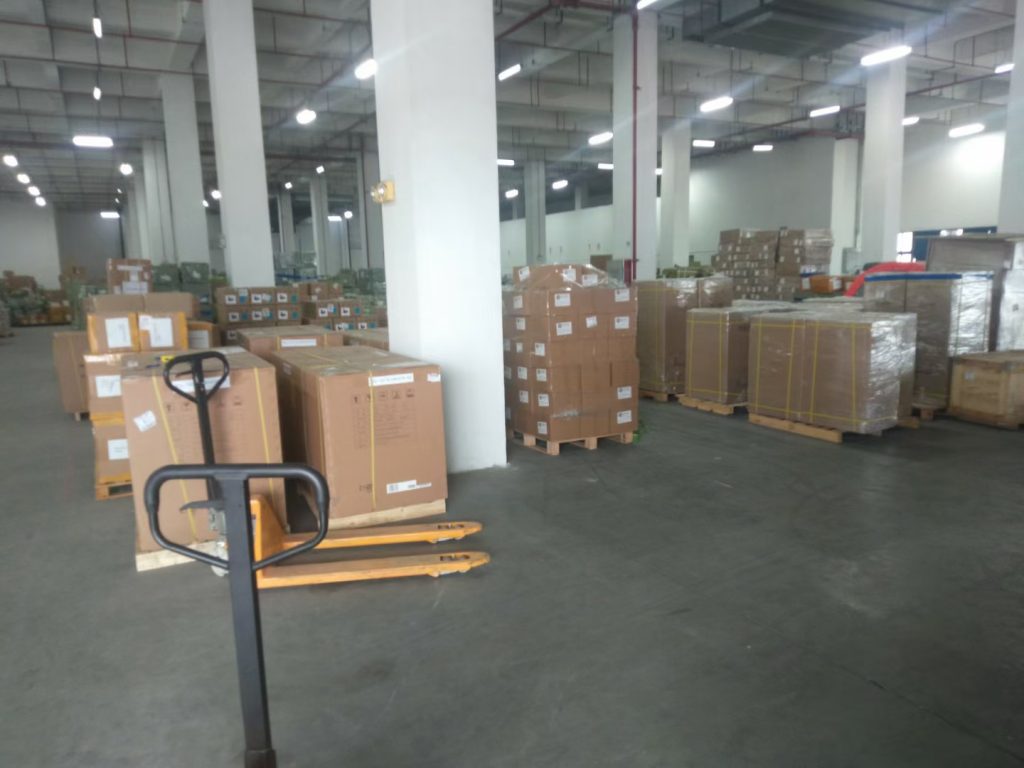
International shipping can have a major impact on the profitability of importing products from China.
Many buyers focus heavily on negotiating a lower factory price, but transportation, customs clearance, destination charges, storage, and local delivery can also significantly affect the final landed cost.
The good news is that importers do not always need to choose the cheapest freight service to reduce their total logistics cost.
In many cases, better shipment planning, accurate cargo information, supplier consolidation, suitable transportation methods, and transparent freight quotations can make a much bigger difference.
This guide explains practical ways to reduce international shipping costs when importing products from China.
Why Is International Shipping From China Expensive?
The total logistics cost depends on several factors.
These may include:
- Product weight
- Cargo volume
- Shipping method
- China pickup location
- Destination
- Season
- Fuel and transportation surcharges
- Port charges
- Customs clearance
- Import duties and taxes
- Local delivery
- Storage
- Special handling
Two importers buying the same product may therefore pay very different logistics costs.
The difference often comes from how the shipment is planned.
1. Choose the Right Transportation Method
One of the most important decisions is selecting the right shipping method.
Common options include:
- Express
- Air freight
- Sea freight
- Rail freight
- Multimodal transportation
The cheapest method depends on your cargo and delivery requirements.
Express
Express shipping is convenient for:
- Samples
- Documents
- Small parcels
- Urgent shipments
However, it is usually not the most economical solution for large commercial shipments.
Air Freight
Air freight is suitable when speed is important.
It can be useful for:
- Urgent inventory
- High-value goods
- Lightweight commercial cargo
- Time-sensitive products
But the cost per kilogram is generally higher than sea freight.
Sea Freight
Sea freight is often suitable for larger shipments.
It can be particularly attractive for:
- FCL containers
- LCL cargo
- Heavy goods
- Large-volume orders
Rail Freight
Rail can be considered for certain China-Europe shipments when the balance between cost and transit time makes sense.
The best choice depends on the actual origin, destination, cargo, and schedule.
2. Calculate the Total Landed Cost
Do not compare shipping rates without considering the complete cost.
A simple landed-cost calculation is:
Product Cost + China Inland Freight + Export Charges + International Freight + Import Duty + Import Tax + Destination Charges + Final Delivery
For example, a freight quote of $900 may not actually be cheaper than a $1,200 quote if the first provider excludes important destination charges.
Always compare equivalent services.
3. Consolidate Shipments From Multiple Suppliers
Many international buyers purchase from several factories in China.
For example:
- Supplier A: 1 CBM
- Supplier B: 1.5 CBM
- Supplier C: 0.8 CBM
- Supplier D: 1.2 CBM
Shipping each order independently can increase the overall logistics cost.
A freight forwarder may be able to collect the goods from several suppliers and consolidate them at a warehouse.
Instead of four separate international shipments, the cargo may become one consolidated shipment.
This can reduce:
- International freight duplication
- Documentation
- Destination handling
- Delivery coordination
4. Optimize Packaging
Packaging can have a significant impact on freight cost.
This is particularly important for air freight.
If a product has a large package but relatively low actual weight, the carrier may calculate freight based on volumetric weight.
For air freight, a common formula is:
Length × Width × Height ÷ 5000
The exact divisor can vary by carrier and service.
For example:
A carton measuring:
60 × 40 × 40 cm
has a volume of:
60 × 40 × 40 = 96,000 cubic centimeters
Using a divisor of 5000:
96,000 ÷ 5000 = 19.2 kg volumetric weight
If the actual weight is only 10 kg, the chargeable weight may be based on the higher applicable figure.
This is why compact packaging can reduce air freight costs.
5. Avoid Excessive Packaging
Protective packaging is important, but unnecessary packaging increases shipping volume.
Ask suppliers whether they can optimize:
- Carton size
- Inner packaging
- Pallets
- Protective materials
- Product arrangement
The objective is not to reduce packaging quality.
The objective is to use packaging efficiently.
A small reduction in carton dimensions can become significant when multiplied across hundreds of cartons.
6. Compare FCL and LCL
For ocean freight, importers often need to decide between:
FCL — Full Container Load
and
LCL — Less than Container Load
FCL means the buyer uses a full container.
LCL means cargo shares container space with other shipments.
If your cargo volume is relatively small, LCL may be more suitable.
If your cargo volume is large enough, FCL may provide better overall economics and simpler handling.
Do not automatically assume that FCL is cheaper just because you have access to a container rate.
Ask your freight forwarder to compare both options.
7. Use the Correct Container Size
If you choose FCL, selecting the right container can help avoid wasted capacity.
Depending on the cargo, options may include:
- 20GP
- 40GP
- 40HQ
The best choice depends on both volume and weight.
A container can reach its weight limit before its physical space is fully used.
Conversely, lightweight products can fill the available space before reaching the maximum weight.
A freight forwarder can help determine the appropriate container type based on the actual cargo.
8. Plan Orders Before the Peak Season
International freight rates can change according to market conditions.
Peak periods can create:
- Higher freight rates
- Limited vessel or flight capacity
- Warehouse congestion
- Longer booking times
- Increased destination congestion
Planning purchases earlier can give importers more transportation options.
Instead of waiting until inventory is almost exhausted, consider building sufficient lead time into your purchasing plan.
9. Avoid Last-Minute Air Freight
Air freight is often used when buyers need emergency inventory.
For example, a company may normally ship by sea but discover that inventory will run out before the next shipment arrives.
The company then pays a premium for urgent air freight.
Better inventory planning can reduce this situation.
If you know your sales cycle and manufacturing lead time, you can schedule shipments earlier and use lower-cost transportation more consistently.
10. Compare Different Ports and Airports
The closest port is not always the cheapest option.
For example, a factory may be located near one major port, but another nearby port could offer:
- Better sailing schedules
- More competitive rates
- Better consolidation options
- Shorter transit time
The same applies to air freight.
Ask your freight forwarder to compare practical routing options rather than automatically using one standard route.
11. Use Supplier Pickup Efficiently
China has many manufacturing centers.
If you buy from suppliers in different cities, transportation to the export warehouse can become a significant part of your logistics cost.
A freight forwarder may be able to plan supplier pickups together.
For example:
Dongguan + Shenzhen + Guangzhou
can potentially be consolidated into one export shipment.
This can reduce unnecessary transportation and handling.
12. Negotiate With Suppliers About Shipping Terms
The price you negotiate with the factory is only one part of your purchasing cost.
Pay attention to Incoterms such as:
- EXW
- FOB
- FCA
- CIF
- DAP
- DDP
For example, under EXW, the buyer may be responsible for more transportation arrangements from the supplier’s premises.
Under FOB, the seller generally handles the goods until they are loaded on board at the agreed port, subject to the specific contract and applicable Incoterm.
The most suitable term depends on your purchasing structure and logistics capabilities.
13. Understand EXW vs FOB
This is particularly important for buyers sourcing from China.
EXW
Under EXW, the seller generally makes the goods available at the agreed location.
The buyer takes responsibility for a broader range of transportation arrangements.
This may work well for experienced buyers with their own logistics arrangements.
FOB
FOB is commonly used for sea or inland waterway transport.
The seller generally handles costs and responsibilities up to loading the goods on board the vessel at the agreed port.
For some buyers, FOB can simplify the China-side logistics arrangement.
However, the correct Incoterm should be selected based on the actual transaction.
14. Avoid Paying for Unnecessary Storage
Warehouse storage charges can increase quickly when cargo is not collected or shipped on schedule.
To reduce storage costs:
- Confirm supplier production dates
- Coordinate pickup dates
- Prepare customs documents
- Avoid sending cargo too early
- Understand free storage periods
If multiple suppliers are involved, coordinate their delivery schedules carefully.
15. Prepare Customs Documents Correctly
Customs problems can create additional costs.
Possible consequences include:
- Delays
- Storage
- Inspection charges
- Additional handling
- Customs brokerage costs
Prepare accurate:
- Commercial invoices
- Packing lists
- Product descriptions
- Quantity information
- Cargo values
- Required certificates
Do not intentionally provide inaccurate information to reduce customs charges.
Incorrect declarations can create much larger problems.
16. Use Accurate Product Descriptions
A vague description such as:
“Accessories”
may not provide enough information for proper customs processing.
A more precise description can identify:
- Product type
- Material
- Function
- Intended use
Accurate descriptions help customs professionals determine the appropriate classification and documentation requirements.
17. Confirm the HS Code
The HS code can influence applicable customs treatment.
An incorrect classification may result in:
- Wrong duty calculation
- Customs delays
- Additional documentation
- Potential compliance problems
Do not simply copy an HS code from an unrelated product.
If classification is uncertain, obtain professional customs advice.
18. Compare Door-to-Door and Port-to-Port
Port-to-port freight may look cheaper because fewer services are included.
But the buyer may then need to arrange:
- Destination handling
- Customs clearance
- Local trucking
- Warehouse delivery
Door-to-door service may cost more on the quotation but reduce the buyer’s coordination burden.
The correct choice depends on your logistics capabilities.
19. Ask for All-In or Itemized Quotes
Both types of quotations can be useful.
Itemized Quote
The provider lists each cost separately.
Advantages:
- Easier to understand
- Easier to compare
- More transparent
All-In Quote
The provider gives a combined price.
Advantages:
- Simple budgeting
- Easy comparison
- Less calculation
However, an “all-in” quote should still clearly state exclusions.
Ask:
“Are duties, taxes, destination charges, customs clearance, and final delivery included?”
20. Watch for Hidden Destination Charges
Some buyers focus heavily on the China-side freight rate and forget destination costs.
Potential destination charges can include:
- Terminal handling
- Documentation
- Customs clearance
- Deconsolidation
- Storage
- Delivery
- Remote-area fees
- Special unloading
Always ask for the destination cost structure before booking.
21. Choose the Right Delivery Address
The final delivery location can affect the cost.
A commercial warehouse with a loading dock may be easier to deliver to than:
- Residential addresses
- Construction sites
- Remote locations
- Locations without unloading equipment
When requesting a quote, provide the actual delivery address whenever possible.
22. Reduce Delivery Failures
Failed delivery attempts can create additional costs.
Before shipping, confirm:
- Delivery address
- Contact person
- Phone number
- Business hours
- Receiving requirements
- Appointment requirements
If the warehouse is closed when the truck arrives, storage or redelivery charges may apply.
23. Plan Inventory More Efficiently
Shipping cost should be considered together with inventory planning.
Ordering too little may force you to use expensive urgent freight.
Ordering too much may increase:
- Warehouse costs
- Capital tied up in inventory
- Storage expenses
- Product obsolescence
The goal is to balance:
Purchase Quantity + Inventory Cost + Shipping Cost + Delivery Time
24. Negotiate Based on Shipment Volume
If you ship regularly, tell your freight forwarder your expected volume.
For example:
- Monthly shipments
- Average CBM
- Average weight
- Main destinations
- Typical transportation methods
Regular volume may help the forwarder understand your business and provide more suitable pricing options.
However, rates can change according to market conditions, so always confirm the current quotation.
25. Use a Freight Forwarder That Understands Your Products
Product characteristics can affect shipping costs.
For example:
- Batteries
- Machinery
- Oversized equipment
- Fragile goods
- Chemicals
- Furniture
- Electronics
A provider familiar with your product category may be better able to identify the appropriate transportation method and documentation requirements.
26. Don’t Choose a Freight Forwarder Based Only on Price
The cheapest quotation can become expensive if it results in:
- Delays
- Missing documents
- Unexpected charges
- Poor communication
- Customs problems
- Damaged cargo
Evaluate:
- Price
- Service scope
- Communication
- Route experience
- Transit time
- Customs support
- Tracking
- Problem-solving ability
The best logistics provider is usually the one that offers a reliable total solution rather than simply the lowest number.
27. Ask for Multiple Shipping Options
Instead of asking:
“What is the cheapest shipping price?”
ask:
“Please provide the most economical option, the fastest option, and the best balance between cost and transit time.”
For example:
| Option | Method | Transit | Cost | Best For |
|---|---|---|---|---|
| A | Sea LCL | Longer | Lower | Small, non-urgent cargo |
| B | Sea FCL | Medium | Competitive | Larger shipments |
| C | Air Freight | Shorter | Higher | Urgent cargo |
This gives you more control over your logistics decision.
28. Reduce the Number of Unnecessary Shipments
If several small shipments are sent separately, each shipment may generate its own:
- Pickup cost
- Documentation
- Customs processing
- Handling
- Delivery
Consolidating compatible orders can potentially reduce these repeated charges.
However, consolidation should not cause excessive delays or create compliance problems.
29. Review Your Freight Costs Regularly
Shipping markets change.
A route that was competitive six months ago may not be the best option today.
Review:
- Freight rates
- Transit times
- Carrier schedules
- Port options
- Door-to-door services
- Alternative transportation methods
Regular review can help prevent your logistics strategy from becoming outdated.
30. Use a Simple Shipping Cost Checklist
Before confirming an order, ask:
Cargo
- What is the actual weight?
- What is the actual volume?
- Can the packaging be optimized?
Route
- Which China origin is most suitable?
- Which destination port or airport is best?
- Is another route more economical?
Transportation
- Sea?
- Air?
- Rail?
- Express?
- LCL?
- FCL?
Customs
- Correct HS classification?
- Accurate commercial value?
- Required documents?
Destination
- Customs clearance?
- Duties?
- Taxes?
- Local delivery?
- Storage?
Quote
- What is included?
- What is excluded?
- How long is the quotation valid?
- How are additional charges calculated?
Example: How Better Planning Can Reduce Cost
Imagine an importer has three suppliers in China.
The importer originally plans three separate shipments:
Shipment 1: 1.2 CBM
Shipment 2: 1.5 CBM
Shipment 3: 1.1 CBM
Total:
3.8 CBM
Instead of shipping three separate consignments, the buyer may ask a freight forwarder to collect the cargo and consolidate it.
Potential benefits include:
- One international shipment
- Simplified documentation
- Fewer destination deliveries
- Better use of warehouse space
The exact savings depend on the route and charges, but consolidation is worth evaluating.
How to Reduce Air Freight Costs
For air shipments, pay special attention to chargeable weight.
You can potentially reduce costs by:
- Optimizing carton dimensions.
- Removing unnecessary packaging.
- Combining small shipments.
- Comparing different air services.
- Avoiding emergency shipments.
- Planning inventory earlier.
- Comparing air freight with rail or sea options.
Always confirm the carrier’s actual volumetric-weight rules.
How to Reduce Ocean Freight Costs
For sea shipments:
- Compare LCL and FCL.
- Optimize container utilization.
- Consolidate suppliers.
- Compare origin ports.
- Plan shipments before peak periods.
- Avoid unnecessary storage.
- Provide accurate cargo dimensions.
- Compare door-to-door and port-to-port options.
How to Reduce Customs-Related Costs
Customs costs cannot always be eliminated, but avoidable expenses can often be reduced through proper preparation.
Make sure:
- Documents are accurate.
- Product descriptions are clear.
- HS classification is reviewed.
- Import requirements are checked.
- Required certifications are prepared.
- The customs value is accurate.
Never try to reduce costs by deliberately misdeclaring the cargo.
How to Reduce Final-Mile Delivery Costs
Final delivery can be a significant part of door-to-door logistics.
To reduce unnecessary costs:
- Provide the correct address.
- Use a commercial receiving location where practical.
- Confirm delivery hours.
- Prepare unloading equipment if required.
- Consolidate shipments.
- Avoid failed delivery attempts.
- Tell the forwarder about special access requirements.
China Shipping Cost FAQ
What is the cheapest way to ship products from China?
There is no single cheapest method for every shipment. Sea freight is often economical for larger, non-urgent cargo, while air or express may be better for smaller or urgent shipments.
Is sea freight always cheaper than air freight?
Not necessarily. The comparison depends on cargo weight, volume, route, urgency, and the specific rates available.
How can I reduce China shipping costs?
Common strategies include consolidating suppliers, optimizing packaging, choosing the right transportation method, comparing routes, planning shipments earlier, and requesting transparent quotations.
Is LCL cheaper than FCL?
For smaller shipments, LCL may be more suitable. For larger volumes, FCL can become more economical. Ask for both options when appropriate.
Can I reduce shipping costs by using a larger order?
Potentially. Larger consolidated shipments can sometimes improve freight economics, but the additional inventory and storage costs must also be considered.
How can I reduce air freight costs?
Optimize packaging, reduce volumetric weight, consolidate shipments, avoid emergency shipments, and compare different transportation options.
How can I avoid hidden shipping charges?
Ask the freight forwarder to clearly list included and excluded charges, especially destination handling, customs clearance, duties, taxes, and final delivery.
Does DDP always mean the cheapest option?
No. DDP can simplify the importing process, but buyers should compare the complete landed cost and understand exactly what the DDP quotation includes.
Should I use the cheapest freight forwarder?
Not necessarily. Reliability, communication, customs support, transit time, and transparent pricing are also important.
How do I get an accurate shipping quote from China?
Provide the China pickup location, destination, product, quantity, weight, dimensions, CBM, cargo value, and preferred shipping method.
Final Checklist: 10 Ways to Reduce China Shipping Costs
Before shipping, review these ten points:
1. Choose the right transportation method.
2. Consolidate shipments when practical.
3. Optimize product packaging.
4. Compare LCL and FCL.
5. Compare different ports and routes.
6. Plan orders before peak periods.
7. Prepare customs documents accurately.
8. Compare complete landed costs instead of freight rates alone.
9. Avoid unnecessary storage and failed deliveries.
10. Compare several professional freight solutions.
Small improvements in each area can add up to significant savings over multiple shipments.
Get a Cost-Effective China Shipping Solution
Reducing international shipping costs does not simply mean finding the lowest freight quotation.
A better strategy is to optimize the entire logistics process:
Supplier Pickup → Consolidation → Export → International Freight → Customs → Destination Handling → Final Delivery
When each stage is planned properly, importers can reduce unnecessary costs while maintaining reliable delivery.
If you are importing products from China, prepare the following information:
- China pickup city
- Supplier location
- Destination country
- Destination city
- Product name
- Quantity
- Number of cartons
- Gross weight
- Carton dimensions
- Total CBM
- Cargo value
- Preferred shipping method
- Door-to-door or port-to-port requirement
Send your shipment details to request a customized China freight quotation and compare the most economical shipping options for your cargo.