

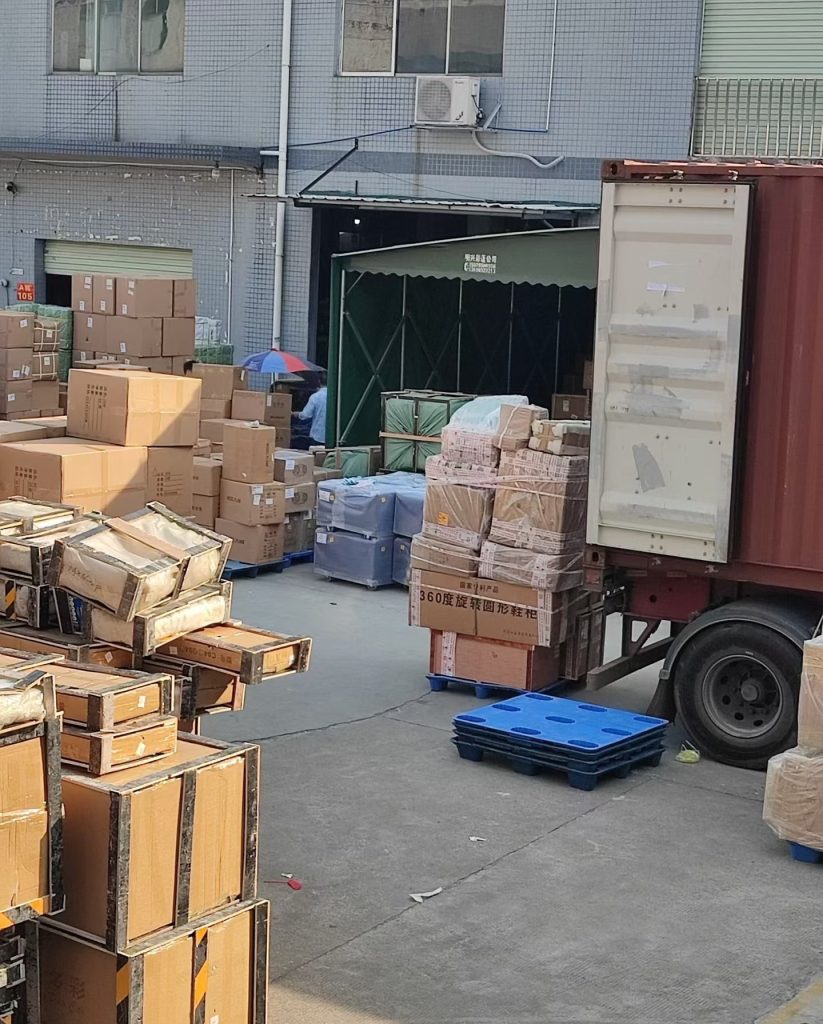
Choosing a China freight forwarder is an important decision for importers, wholesalers, e-commerce businesses, manufacturers, and international buyers.
A freight forwarder may offer an attractive price, but price alone does not tell you whether the company is suitable for your cargo, route, customs requirements, and delivery destination.
Before booking your first shipment, it is worth checking the company’s business information, route experience, quotation details, customs arrangements, communication, tracking, and payment information.
Use the following 15-point China freight forwarder checklist to reduce avoidable shipping risks.
1. Verify the Company’s Legal Business Information
Start with the basic company information.
Check whether you can identify:
- Legal company name
- Registered business information
- Business address
- Company website
- Contact information
- Business email
- Contracting entity
- Payment account information
The company receiving your payment should be consistent with the company identified in your quotation and contract, unless there is a legitimate and documented reason otherwise.
If basic company information is difficult to verify, be cautious before sending a large payment.
2. Check Experience on Your Shipping Route
A freight forwarder may have extensive international experience but limited experience with your particular route.
For example, a company experienced in:
China → USA
may not have the same level of experience with:
China → Central Asia
or:
China → South America
Ask:
- Do you regularly handle this route?
- Which Chinese departure city do you use?
- Which airport or seaport is normally used?
- Which destination port or airport do you use?
- Do you have a local delivery partner?
- Do you provide door-to-door service?
Route-specific experience can be more important than a general claim that the company “ships worldwide.”
3. Verify That They Can Handle Your Cargo
Tell the forwarder exactly what you are shipping.
Examples include:
- Clothing
- Shoes
- Furniture
- Machinery
- Electronics
- Auto parts
- Agricultural equipment
- Batteries
- Chemicals
- Food
- Oversized equipment
Special cargo can have additional transportation or import requirements.
For example, lithium batteries and dangerous goods may require specific documentation and carrier approval.
Never hide the actual nature of your cargo simply to obtain a cheaper quotation.
A reliable forwarder needs accurate cargo information before confirming the shipping arrangement.
4. Ask for a Complete Freight Quotation
Do not compare freight forwarders using only the headline rate.
For example:
$2/kg
does not tell you enough.
Ask what the quotation includes.
Possible charges include:
- Factory pickup
- Warehouse handling
- Export customs clearance
- Documentation
- Main transportation
- Destination handling
- Import customs clearance
- Duties and taxes
- Final delivery
- Remote-area charges
- Storage
- Special handling
A professional quotation should clearly identify the service scope.
5. Confirm the Incoterm
Make sure you understand the agreed Incoterm.
Common terms include:
- EXW
- FOB
- CIF
- DAP
- DDP
These terms allocate responsibilities and costs differently.
For example, DDP places substantial delivery and import responsibilities on the seller under the standard Incoterms concept, while DAP generally leaves import clearance and applicable import duties/taxes to the buyer.
Do not compare quotations based on different Incoterms without adjusting for the different responsibilities.
6. Ask How Customs Clearance Is Handled
Customs clearance is one of the most important parts of international logistics.
Ask:
- Who handles export clearance?
- Who handles import clearance?
- Who is responsible for customs documentation?
- What information is required?
- What happens if customs requests an inspection?
- Are duties and taxes included?
- What happens if customs assesses additional charges?
For regulated products, confirm the applicable import requirements before shipping.
A freight forwarder can coordinate logistics, but the shipment still needs to comply with the laws and regulations of the destination country.
7. Check How Shipping Time Is Calculated
Do not accept a vague statement such as:
7 days delivery.
Ask:
What does the seven days include?
Does the transit time start from:
- Factory pickup?
- Warehouse receipt?
- Airport departure?
- Vessel departure?
And does it end at:
- Destination airport?
- Destination port?
- Customs clearance?
- Final delivery?
For door-to-door shipments, the most useful figure is normally the estimated total door-to-door transit time.
8. Ask for Shipment Tracking
Find out how you will monitor your cargo after booking.
Depending on the transportation method, tracking information may include:
- Booking number
- House bill
- Master bill
- Container number
- Flight information
- Vessel information
- Departure date
- Arrival estimate
- Customs status
- Delivery status
Ask:
How will I receive shipment updates?
Clear tracking and communication are particularly important for regular commercial shipments.
9. Evaluate Communication Before Booking
Communication quality is an important indicator.
Pay attention to:
- Response speed
- Accuracy of answers
- Professionalism
- Ability to explain charges
- Ability to explain customs requirements
- Availability during shipment problems
If a forwarder cannot clearly answer basic questions before receiving your order, it may be difficult to manage a problem after the cargo has departed.
Ask who will be your primary shipment contact.
10. Verify Payment Details
Before making payment, check:
Who is receiving the money?
The beneficiary should correspond with the contracted business entity or be properly explained and documented.
Be cautious when:
- Bank details suddenly change
- You are asked to pay a personal account
- The beneficiary is unrelated to the contracting company
- Payment instructions are inconsistent with previous documents
If bank information changes unexpectedly, independently verify the change before transferring funds.
11. Ask About Insurance
Freight forwarding and cargo insurance are not the same thing.
Ask:
Is cargo insurance included in the quotation?
If not:
What insurance options are available?
You should understand:
- What risks are covered
- What risks are excluded
- Coverage limits
- Claim requirements
- Deductibles, if applicable
- Documentation required for a claim
For valuable cargo, insurance should be considered separately from the transportation quotation.
12. Understand What Happens If Cargo Is Delayed
International shipping can be affected by:
- Weather
- Port congestion
- Customs inspection
- Carrier schedule changes
- Documentation problems
- Holidays
- Equipment shortages
- Destination delivery problems
Ask the freight forwarder:
What is your procedure when a shipment is delayed?
A good logistics provider should communicate the situation rather than leaving the customer without information.
13. Check Destination Delivery Capability
A freight forwarder may be strong on international transportation but weak on final-mile delivery.
Ask whether the quotation includes delivery to:
- Commercial warehouse
- Factory
- Office
- Residential address
- Amazon-related facility
- Third-party warehouse
Also ask whether there are additional charges for:
- Remote areas
- Residential delivery
- Liftgate service
- Appointment delivery
- Oversized cargo
- Limited-access locations
The final delivery address can significantly affect the total cost.
14. Test the Freight Forwarder With a Small Shipment
If you have never worked with a freight forwarder before, consider starting with a smaller shipment.
This lets you evaluate:
- Pickup
- Warehouse handling
- Documentation
- Communication
- Tracking
- Transit time
- Customs coordination
- Final delivery
- Billing
If the first shipment is handled successfully, you can consider increasing the shipment volume.
This approach can reduce the risk of committing a large shipment to an untested logistics provider.
15. Get Everything Important in Writing
Verbal promises can easily lead to misunderstandings.
Before booking, obtain written confirmation of:
- Cargo information
- Origin
- Destination
- Shipping method
- Incoterm
- Freight price
- Included services
- Excluded charges
- Estimated transit time
- Customs arrangement
- Duties and taxes
- Delivery scope
- Payment terms
- Insurance
- Additional-charge policy
A written quotation or service agreement provides a much clearer reference if a dispute occurs.
China Freight Forwarder Comparison Table
When comparing several providers, use the same shipment information for each quotation.
| Item | Forwarder A | Forwarder B | Forwarder C |
|---|---|---|---|
| Company verified | Yes/No | Yes/No | Yes/No |
| Route experience | |||
| Cargo experience | |||
| Shipping method | |||
| Freight cost | |||
| Customs clearance | |||
| Duties/taxes | |||
| Final delivery | |||
| Estimated transit time | |||
| Tracking | |||
| Insurance | |||
| Additional charges | |||
| Payment terms | |||
| Communication |
This makes it easier to compare the actual value of each quotation.
Questions to Ask a China Freight Forwarder
Before booking, you can send the following questions:
- What is the total shipping cost?
- What services are included?
- What charges are excluded?
- What is the estimated door-to-door transit time?
- Which shipping method will you use?
- Which Chinese port or airport will be used?
- Which destination port or airport will be used?
- Who handles customs clearance?
- Are duties and taxes included?
- What documents do you require?
- How can I track my shipment?
- What happens if customs inspects the cargo?
- What happens if the shipment is delayed?
- Are there remote-area or destination charges?
- Can you provide written service terms?
A professional forwarder should be able to provide clear answers.
China Freight Forwarder Red Flags
Be particularly careful if a freight forwarder:
Gives an unrealistically low quotation
The rate may exclude important charges.
Refuses to explain additional costs
You should understand how the final price is calculated.
Avoids providing company information
Basic business information should be reasonably verifiable.
Requests payment to an unrelated personal account
Verify the reason before making payment.
Makes unrealistic delivery promises
International transportation is subject to variables outside the forwarder’s direct control.
Does not ask about your cargo
A forwarder should understand the cargo before confirming transportation.
Provides no clear documentation
Important terms should be documented.
Stops communicating after receiving payment
This is a serious warning sign.
China Freight Forwarder Checklist for First-Time Importers
Before booking your first shipment:
- [ ] Verify the legal company information
- [ ] Check route experience
- [ ] Confirm cargo compatibility
- [ ] Provide accurate cargo details
- [ ] Request a complete quotation
- [ ] Confirm the Incoterm
- [ ] Confirm customs responsibilities
- [ ] Confirm duties and taxes
- [ ] Check estimated transit time
- [ ] Confirm tracking
- [ ] Verify payment details
- [ ] Ask about insurance
- [ ] Confirm destination delivery
- [ ] Ask about additional charges
- [ ] Get important terms in writing
If possible, test the provider with a smaller shipment before moving large volumes.
Frequently Asked Questions
How do I verify a China freight forwarder?
Check its legal business information, company details, contact information, payment details, route experience, service capabilities, and written service terms.
Should I choose the lowest freight quotation?
Not automatically. Compare the complete service scope and total cost. A low initial rate may exclude important charges.
What should I ask a freight forwarder before shipping?
Ask about price, included services, customs, duties and taxes, transit time, tracking, destination delivery, additional charges, insurance, and payment terms.
Is it safe to use a new China freight forwarder?
It can be, but verify the company first and consider starting with a smaller shipment before committing significant cargo.
What information should I provide for a freight quotation?
Provide the origin, destination, product description, quantity, gross weight, package dimensions, CBM, cargo value, and any special cargo requirements.
How can I avoid unexpected shipping charges?
Ask the forwarder to identify included and excluded charges in writing and confirm whether customs, duties, destination handling, and final delivery are included.
Final Takeaway
Choosing a China freight forwarder is not simply a matter of finding the lowest price.
A reliable shipping partner should be able to demonstrate route experience, cargo knowledge, transparent pricing, clear customs arrangements, realistic transit times, reliable communication, and appropriate destination delivery capabilities.
Before booking, use this 15-point checklist to compare providers systematically.
Most importantly, make sure the quotation clearly explains what you are paying for, what is not included, who is responsible for customs and taxes, and how the cargo will be delivered to its final destination.
For new business relationships, starting with a smaller shipment can provide valuable real-world evidence before you commit larger volumes.