

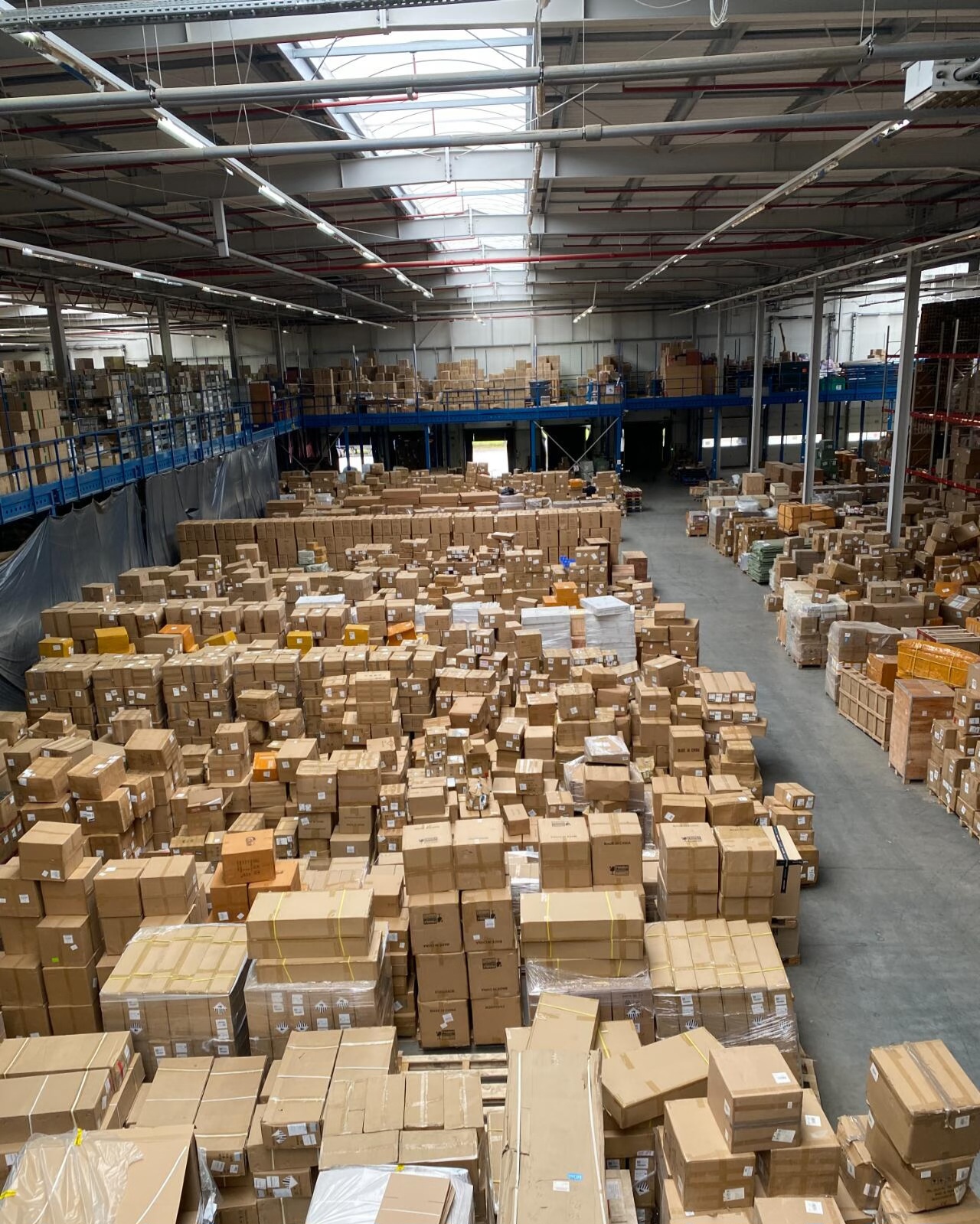
China remains the world’s manufacturing powerhouse, making global shipping from China a critical component of international trade. Whether you are a small e-commerce seller or a large-scale importer, partnering with a reliable freight forwarder in China can make or break your supply chain. The right logistics partner ensures your goods move smoothly, cost-effectively, and on time. But with thousands of forwarders operating in the market, how do you separate the trustworthy professionals from the rest? This guide walks you through the essential steps to choose a reliable freight forwarder in China for your global shipping needs.
1. Assess Experience and Industry Expertise
A forwarder’s track record speaks volumes. Look for a company that has been in the business for several years and has specific experience handling the type of goods you ship. For instance, shipping fragile electronics requires different handling than transporting bulky furniture or hazardous materials. Ask about their experience with your target destinations and whether they understand the unique import regulations of those countries. An experienced forwarder will anticipate potential roadblocks and guide you on the best shipping methods for your specific products.
2. Evaluate the Range of Services Offered
Global shipping is rarely one-size-fits-all. A reliable freight forwarder should offer a comprehensive suite of services, including:
- Ocean freight (FCL and LCL)
- Air freight
- Rail freight (especially for China-Europe routes)
- Express courier services
- Door-to-door delivery
- Customs clearance
- Cargo insurance
- Warehousing and distribution
Having a single point of contact for all these services simplifies your logistics, reduces the risk of miscommunication, and often saves you money compared to hiring multiple vendors.
3. Check Global Network and Agent Partnerships
A forwarder based in China needs a strong international network. Reliable forwarders are often members of global logistics networks such as the World Cargo Alliance (WCA) or have long-standing partnerships with reputable agents in your destination country. This ensures that the “last mile” delivery and destination customs clearance are handled by competent professionals who understand local requirements. Without a solid overseas partner, your shipment could get stuck at the port of arrival.
4. Demand Transparent Pricing
One of the biggest red flags in the freight forwarding industry is vague or incomplete pricing. A trustworthy forwarder will provide a detailed quotation that breaks down all costs: freight charges, customs duties, handling fees, documentation fees, and any fuel or peak season surcharges. Be wary of quotes that seem too good to be true, as they often come with hidden costs later in the process. Always ask for a written quote and clarify what is not included to avoid unpleasant surprises.
5. Test Communication and Responsiveness
In logistics, timing is everything. Delays in communication can lead to missed sailings, airport hold-ups, or demurrage fees. Before committing, test how quickly and clearly the forwarder responds to your inquiries. Do they have English-speaking staff? Do they provide proactive updates, or do you have to chase them for information? A reliable partner keeps you informed at every stage of the shipment and responds to emergencies promptly, even across time zones.
6. Verify Licenses and Certifications
Ensure the forwarder is properly licensed by Chinese authorities, such as holding a valid NVOCC (Non-Vessel Operating Common Carrier) license. International certifications like ISO or membership in FIATA (International Federation of Freight Forwarders Associations) also indicate a commitment to industry standards and continuous improvement. These credentials act as a safety net, showing that the forwarder adheres to professional codes of conduct.
7. Look for Technology and Tracking Capabilities
In today’s digital age, you shouldn’t be left guessing where your cargo is. Ask if the forwarder provides an online tracking system or regular automated updates via email or a client portal. The ability to monitor your shipment in real-time gives you peace of mind and allows you to plan your inventory and sales more effectively. Some modern forwarders even integrate with e-commerce platforms to automate order fulfillment.
Conclusion
Choosing a reliable freight forwarder in China requires due diligence, but the effort pays off in smoother operations and lower stress. By focusing on experience, service range, transparency, communication, and credentials, you can find a logistics partner that not only moves your goods but also helps your business grow globally. Take the time to interview multiple candidates, ask for references, and start with a small trial shipment before scaling up. Your supply chain deserves nothing less than a dependable, professional partner.