

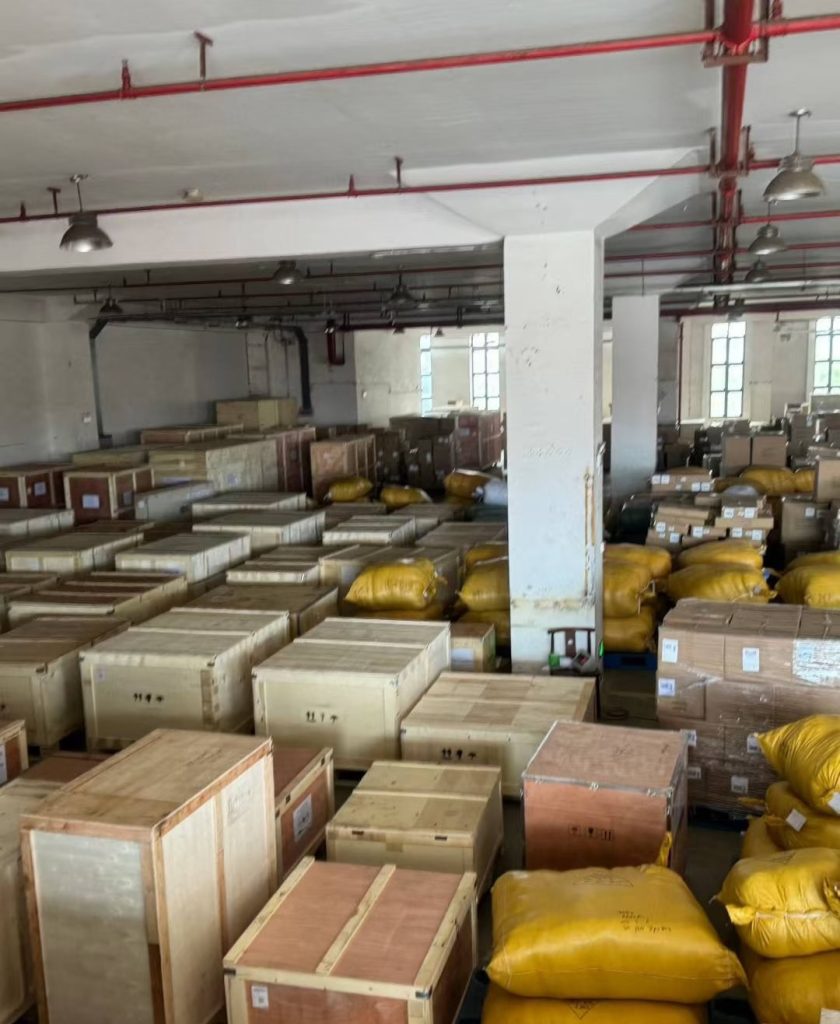
Cross-border trade has never been more accessible — or more complex. With a few clicks, you can source products from factories in Shenzhen, Yiwu, or Guangzhou and sell them to customers in Los Angeles, London, or Berlin. But the journey between a Chinese factory floor and your customer’s doorstep is filled with potential pitfalls: customs inspections, mislabeled cargo, carrier delays, port congestion, and unexpected fees that can quietly eat into your margins.
This is where a professional China shipping agent stops being a “nice-to-have” and becomes a strategic necessity. Whether you’re an Amazon seller, a Shopify store owner, or a B2B importer, the right shipping agent doesn’t just move your goods — they protect your business. Here’s why partnering with a professional matters more than ever in today’s global trade landscape.
1. They Navigate the Customs Maze So You Don’t Have To
Customs clearance is where many first-time importers stumble. Every country has its own import regulations, prohibited items lists, documentation requirements, and duty structures. A single missing certificate or an incorrectly declared HS code can result in your shipment being seized, returned, or hit with fines that exceed the value of the goods.
A professional shipping agent understands both Chinese export procedures and your destination country’s import rules. They prepare accurate commercial invoices, packing lists, and certificates of origin. They know which products require additional testing or certification before export. Most importantly, they flag compliance issues before your goods leave China — not after they’ve been rejected at the border.
2. They Protect Your Bottom Line with Transparent Cost Control
Shipping costs are rarely just “the freight rate.” There are origin trucking fees, terminal handling charges, customs declaration fees, documentation fees, destination port charges, delivery fees, and seasonal surcharges. Without someone watching your back, it’s easy to lose 20–30% of your margin to costs you didn’t anticipate.
A professional agent provides a clear, all-in cost breakdown upfront and advises you on the most cost-effective shipping method for your specific situation. For example, they might recommend LCL (Less than Container Load) ocean freight for a small order instead of air freight — saving you hundreds or thousands of dollars. They also have negotiated rates with carriers that individual shippers simply can’t access on their own.
3. They Act as Your Quality Control Before It’s Too Late
One of the most expensive mistakes in cross-border trade is discovering that your goods are defective after they’ve arrived in your warehouse. By then, the factory may deny responsibility, and returning the goods to China is often cost-prohibitive.
Many professional shipping agents offer pre-shipment inspection services or can coordinate third-party quality checks at the factory. They verify product specifications, quantities, packaging, and labeling before the goods are loaded. If there’s a problem, they catch it while the goods are still at the factory — when it’s still relatively easy and inexpensive to fix.
4. They Manage Multi-Supplier Consolidation
Most growing businesses don’t buy everything from a single factory. You might source electronics from Shenzhen, packaging from Dongguan, and accessories from Yiwu. Coordinating pickups from multiple suppliers across different cities — each with different timelines and shipping requirements — is a logistical nightmare without a local partner.
A professional agent consolidates goods from all your suppliers into one shipment, saving you money on freight and simplifying your customs paperwork. They also handle the timing: holding goods from an early supplier in their warehouse while waiting for the last piece to arrive, then shipping everything together.
5. They Provide a Safety Net When Things Go Wrong
In global shipping, problems are not a matter of if but when. A typhoon shuts down the Port of Ningbo. A carrier rolls your container to the next sailing. Customs selects your shipment for inspection. Your destination warehouse is full and can’t accept delivery.
A professional shipping agent doesn’t just pass along bad news — they provide solutions. They rebook on alternative carriers, reroute through different ports, communicate with customs brokers, and negotiate with destination terminals. They have relationships built over years that allow them to escalate issues and get results that an individual shipper calling a carrier’s customer service line simply cannot.
6. They Keep You Informed — Proactively
The worst feeling in cross-border trade is not knowing where your money or your goods are. A professional agent provides regular, proactive updates: when your goods are picked up, when they clear export customs, when they’re loaded onto the vessel or aircraft, when they arrive at the destination port, and when they’re out for final delivery.
Many also offer online tracking portals or integrate with your e-commerce platform to automate order fulfillment updates. You’re never left wondering, and you can plan your inventory and marketing accordingly.
7. They Speak Both Languages — Literally and Logistically
Miscommunication between you, your supplier, and the logistics chain is a common source of costly errors. Your factory might say “yes” to everything but mean something entirely different. A professional China-based agent bridges this gap. They speak the local language, understand regional business culture, and can push suppliers in ways that a foreign buyer often can’t.
They also translate logistics terminology accurately, ensuring that shipping instructions, Incoterms, and delivery requirements are understood by all parties. This reduces errors, prevents disputes, and keeps your supply chain moving smoothly.
FAQ: Working with a Professional China Shipping Agent
Q1: At what point in my business should I start using a shipping agent?
A: If you’re placing your first order and it’s small, you might manage with your supplier’s default shipping option. But as soon as you’re placing regular orders, working with multiple suppliers, or shipping volumes that exceed 1–2 cubic meters, a professional agent becomes essential. The cost savings and risk reduction typically outweigh their service fees from the very first engagement.
Q2: Can’t my supplier handle shipping for me? Why do I need a separate agent?
A: Suppliers often offer shipping as a convenience, but their priority is manufacturing — not logistics. They may quote inflated freight rates (building in profit), use slower or less reliable carriers, or lack expertise in your destination country’s import rules. A dedicated shipping agent works for you, not the factory, and is incentivized to find the best solution for your needs, not the factory’s convenience.
Q3: How much does a professional shipping agent cost?
A: Most agents don’t charge a flat “consulting fee.” Instead, they earn through service fees built into the shipping quote (e.g., handling, documentation, consolidation) or by marking up carrier rates slightly. In many cases, their negotiated carrier rates and cost-saving advice actually save you more than their fees cost. Always ask for a transparent breakdown so you know exactly what you’re paying for.
Q4: What’s the difference between a freight forwarder and a shipping agent?
A: The terms are often used interchangeably, but there’s a subtle distinction. A freight forwarder typically focuses on the transportation leg — booking cargo space, arranging carriers, and managing the physical movement. A shipping agent (sometimes called a sourcing agent with logistics capabilities) often provides a broader range of services, including supplier verification, quality inspection, consolidation, and even product sourcing. If you need end-to-end support beyond just shipping, look for an agent with those additional capabilities.
Q5: How do I know if a shipping agent is truly “professional”?
A: Look for these indicators: (1) They ask detailed questions about your products and destination before quoting. (2) They provide written quotes with itemized costs. (3) They have verifiable references from clients in your country. (4) They respond promptly and clearly. (5) They hold relevant licenses (like NVOCC) or industry memberships (WCA, FIATA). (6) They’re honest about what they can and cannot do. If they promise “guaranteed” delivery times or “no customs issues ever,” be skeptical.
Q6: Can a shipping agent help with returns or defective goods?
A: Yes, many professional agents can coordinate returns to China, though it’s often expensive and complex. More importantly, they can help prevent returns by arranging pre-shipment inspections, verifying supplier credentials, and ensuring proper packaging and labeling. If a return is unavoidable, they can advise on the most cost-effective method — whether that’s returning to China, destroying locally, or donating.
Q7: Do I lose control of my shipment by using an agent?
A: On the contrary — a good agent gives you more control by providing visibility, options, and expertise. You still make all the key decisions: which shipping method to use, which carrier to book, when to ship. The agent simply executes your decisions and advises you along the way. You remain in the driver’s seat; they’re your co-pilot.
In cross-border trade, your products are only as good as your ability to deliver them. A professional China shipping agent transforms logistics from a source of stress and risk into a competitive advantage — freeing you to focus on what you do best: growing your business.