

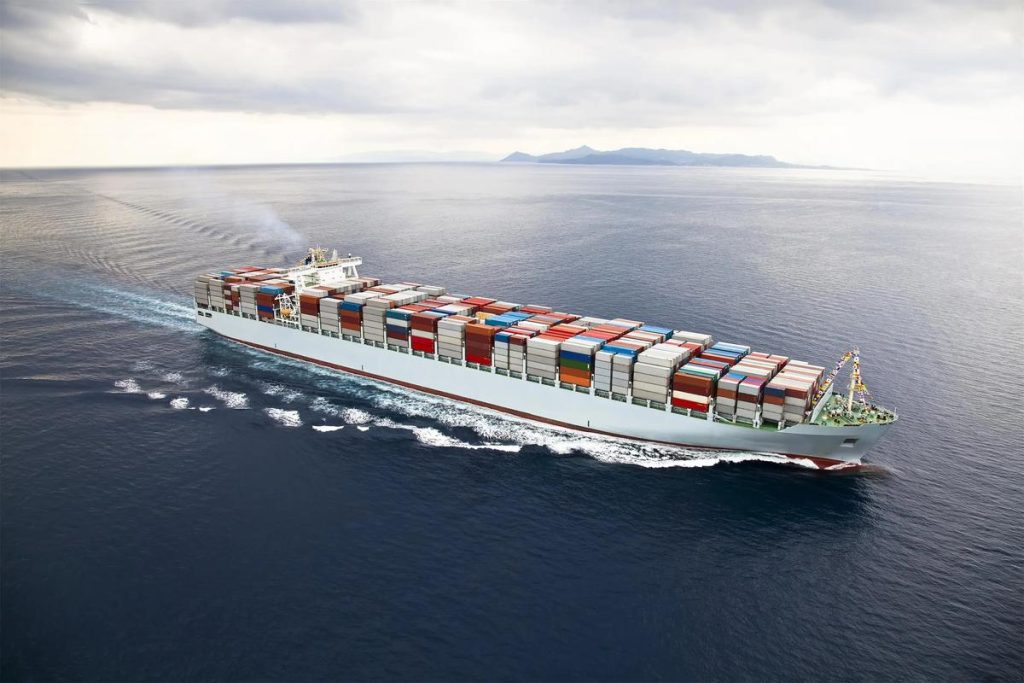
For businesses importing from China, shipping costs can quietly become one of your largest expenses — often second only to the cost of goods themselves. But “cost-effective shipping” doesn’t mean choosing the forwarder with the lowest quote on paper. True cost-effectiveness is about optimizing your entire supply chain so you pay the least amount possible for reliable, on-time delivery. The right freight forwarder is your single greatest lever for achieving this. Here’s how to choose a partner who will actively protect and reduce your logistics spend.
1. Look Beyond the Freight Rate: Understand Total Landed Cost
The biggest mistake importers make is focusing solely on the ocean or air freight rate. Your true cost — your Total Landed Cost (TLC) — includes:
- Product cost
- Freight charges (main carriage)
- Origin charges (trucking, terminal handling, documentation)
- Insurance
- Import duties and taxes
- Destination charges (customs clearance, port fees, final delivery)
A cost-effective forwarder helps you calculate and minimize all of these components, not just the freight line item. They’ll flag where you’re overpaying and suggest alternatives you hadn’t considered.
2. Choose a Forwarder with Strong Carrier Relationships
Large-volume freight forwarders have contracts with major carriers (Maersk, COSCO, MSC, DHL, etc.) that guarantee them lower rates and priority space allocation. Ask potential forwarders: “Which carriers do you have direct contracts with, and what are your volume commitments?” A forwarder who moves significant volume gets better rates — which they can pass on to you.
3. Prioritize Transparent, All-Inclusive Quotes
Hidden fees are the enemy of cost-effective shipping. A trustworthy forwarder provides a detailed quote that breaks down every expected charge. Before you commit, ask: “What costs are NOT included in this quote?” and “Have you accounted for peak season surcharges or fuel adjustments?” If they can’t give you a straight answer, walk away.
4. Leverage Consolidation Services
If you work with multiple suppliers, a forwarder who offers free or low-cost warehousing in China can consolidate your goods into a single shipment. This saves you from paying multiple origin trucking fees and allows you to take advantage of volume-based rate breaks — for example, jumping from 8 CBM to 12 CBM might drop your per-CBM rate significantly.
5. Match the Shipping Method to Your Inventory Cycle
Cost-effective doesn’t always mean “slowest.” If you’re stocking out and losing sales, the “cheaper” ocean option might actually cost you more in lost revenue than flying a smaller batch via air. A strategic forwarder will help you model these trade-offs and may suggest a hybrid approach: 80% by sea, 20% by air express — ensuring you have stock to sell immediately while the bulk arrives later at a lower rate.
6. Plan Ahead to Avoid Premium Charges
Last-minute bookings almost always cost more. Carriers and forwarders charge rush fees for space booked within days of departure. A good forwarder will help you build a shipping calendar based on your sales velocity, ensuring you book 2–3 weeks in advance for ocean and 3–5 days for air — locking in standard rates and avoiding panic pricing.
7. Use the Right Incoterms
Incoterms determine who pays for what — and they have a massive impact on your bottom line. For example, buying under EXW (Ex Works) means you control the entire shipping process, which often yields better rates than letting your supplier handle it under FOB or CIF. A knowledgeable forwarder will advise you on the most cost-effective Incoterm for each supplier relationship and destination.
8. Don’t Skip Cargo Insurance
It sounds counterintuitive — paying more to save money — but cargo insurance is a critical part of cost-effective shipping. Without it, a single lost container could wipe out your profit for the entire year. Comprehensive all-risk insurance typically costs just 0.3%–0.5% of the cargo value, making it one of the highest-ROI expenses in your supply chain.
FAQ: Cost-Effective Shipping from China
Q1: What’s the difference between a “cheap” quote and a “cost-effective” solution?
A: A cheap quote is simply a low number on a page, usually achieved by omitting critical fees like destination terminal charges, customs clearance, or delivery. A cost-effective solution considers your total landed cost, transit reliability, and the forwarder’s ability to prevent expensive mistakes like customs delays or damaged goods. The cheapest quote often turns out to be the most expensive in the end.
Q2: How can I verify if a freight forwarder’s rates are truly competitive?
A: Get quotes from at least 3–5 forwarders for the exact same shipment details. If one quote is 20–30% lower than all the others, be suspicious — it likely excludes major fees. You can also ask the forwarder for a general rate sheet or examples of what they’ve charged similar clients recently. Consistently mid-range pricing with full transparency is usually better than the absolute lowest number.
Q3: Is LCL (Less than Container Load) always cheaper than FCL (Full Container Load)?
A: No. LCL pricing is based on volume or weight (per CBM or per 1,000 kg), while FCL is a flat rate for the whole container. As a general rule, once your shipment exceeds 14–16 CBM, FCL often becomes cheaper than LCL — even if you don’t completely fill the container. A good forwarder will do this math for you and recommend the better option.
Q4: Can a freight forwarder help me reduce import duties legally?
A: Yes. Through accurate HS code classification, proper valuation strategies, and advising on Free Trade Agreements (FTAs) between China and your country, a forwarder can often lower your duty bill significantly. However, be extremely wary of any forwarder who suggests “under-declaring” values — this is illegal, can result in seizure of goods, and may permanently damage your importer reputation.
Q5: How far in advance should I book to get the best rates?
A: For ocean freight, book 2–3 weeks before your desired sailing date. For air freight, 3–5 days in advance. During peak seasons (August–October for ocean; Q4 for air), add another week or two. Early bookings almost always secure better pricing and guaranteed space, while last-minute bookings face premium “rush” rates.
Q6: What are “origin charges” and why do they vary so much between quotes?
A: Origin charges are fees incurred in China before the goods are loaded onto the main carrier — including trucking pickup, terminal handling charges (THC), customs declaration, and documentation fees. These vary because different forwarders have different agreements with local terminals, trucking companies, and customs brokers. Always compare origin charges separately from the main freight rate when evaluating quotes.
Q7: Should I let my supplier arrange shipping or use my own forwarder?
A: In most cases, using your own forwarder is more cost-effective. Suppliers often mark up shipping costs by 20–50% as a hidden profit center, and they’re not incentivized to find you the cheapest option. By using your own forwarder under EXW or FOB terms, you gain transparency, control, and typically save money — while your forwarder works exclusively for you, not the factory.
Q8: What’s the single most overlooked cost in China shipping?
A: Demurrage and detention fees. These are charges for using a container beyond the free time allowed at the port or at your warehouse. Many importers focus on getting a low freight rate but don’t plan for how long customs clearance or final delivery will take. A proactive forwarder will help you estimate these timelines accurately and choose carriers with generous free-time allowances, potentially saving you hundreds or thousands of dollars.
Cost-effective shipping from China isn’t about cutting corners — it’s about working with a forwarder who acts as your financial advocate. Choose a partner who prioritizes transparency, leverages volume discounts, and helps you make data-driven logistics decisions. Your bottom line will thank you.