

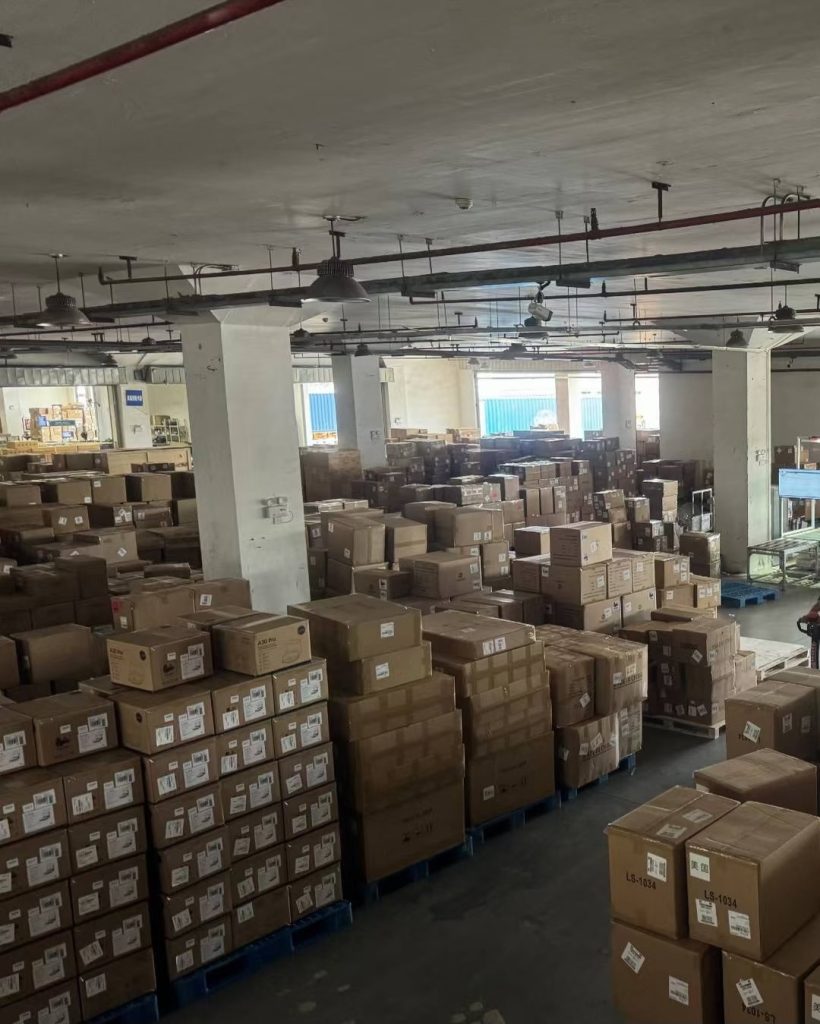
Shipping dangerous goods batteries from China by sea requires more than simply booking ocean freight. Battery type, UN classification, packaging, documentation, carrier acceptance, customs procedures, and destination requirements all need to be considered before the cargo is shipped.
For businesses that regularly export lithium batteries, choosing an experienced dangerous goods battery sea freight forwarder in China can make the shipping process more predictable and easier to manage.
What Battery Cargo Can Be Shipped by Sea?
Depending on the specific product and applicable regulations, battery shipments may include:
- Lithium-ion batteries
- Lithium-metal batteries
- Rechargeable battery packs
- Battery cells
- Energy storage batteries
- Power batteries
- Batteries packed with equipment
- Batteries contained in equipment
Different battery products can have different dangerous goods classifications. Therefore, the product description alone is not sufficient to determine the shipping requirements.
Why Battery Sea Freight Requires Special Handling
Lithium batteries can present transportation risks if they are damaged, improperly packaged, short-circuited, or handled incorrectly.
For international sea transportation, the shipment may need to comply with applicable maritime dangerous goods regulations and the requirements of the selected shipping line.
Before booking, the forwarder may need information such as:
- Battery chemistry
- UN number
- Proper shipping name
- Battery capacity
- Voltage
- Watt-hour rating
- Number of cells
- Quantity
- Packaging method
- Gross weight
- Cargo volume
- SDS and other available documentation
China Dangerous Goods Battery Sea Freight Process
1. Submit Cargo Information
The exporter provides complete battery specifications, packaging information, quantity, weight, volume, origin, and destination.
2. Cargo Compliance Review
The freight forwarder checks the available documentation and determines the applicable shipping requirements.
3. Carrier Confirmation
Dangerous goods acceptance should be confirmed with the relevant carrier or consolidator before shipment arrangements are finalized.
4. Packaging and Labeling
The cargo should be packaged and marked according to the applicable requirements for the specific battery classification.
5. Warehouse Delivery
The shipment is delivered to the designated dangerous goods or LCL warehouse according to the booking instructions.
6. Export Customs Clearance
The required export customs procedures are completed in China.
7. Ocean Transportation
The cargo is loaded and transported by sea to the destination port.
8. Destination Clearance and Delivery
Depending on the service selected, destination customs clearance, deconsolidation, and final delivery can also be arranged.
LCL or FCL for Battery Shipping?
Both LCL and FCL sea freight may be options, depending on the shipment.
LCL can be suitable for smaller quantities because the shipper shares container space with other compatible cargo.
FCL may be more suitable for larger shipments or when the exporter wants a dedicated container.
The appropriate solution depends on the battery classification, quantity, destination, carrier restrictions, and overall cost.
Information Needed for a Battery Freight Quote
To obtain a more accurate quotation, provide:
Product: Lithium-ion battery
UN Classification: Applicable classification
Voltage: 48V
Capacity: 100Ah
Quantity: 50 cartons
Gross Weight: 600 kg
Volume: 3 CBM
Origin: China
Destination: Rotterdam, Netherlands
Shipping: Dangerous goods LCL sea freight
The actual shipping classification must be verified from the cargo documentation and specifications.
What Does a Dangerous Goods Battery Freight Forwarder Do?
A professional freight forwarder can coordinate multiple stages of the shipment, including:
- Battery cargo assessment
- Dangerous goods documentation
- LCL consolidation
- FCL shipping
- Carrier booking
- Export customs clearance
- Warehouse handling
- Port operations
- Ocean transportation
- Destination logistics
- Door-to-door services where available
The forwarder does not replace the shipper’s responsibility for providing accurate cargo information. Incorrect battery specifications or incomplete documentation can cause delays or booking rejection.
FAQ
Can dangerous goods batteries be shipped from China by sea?
Some dangerous goods battery shipments can be transported by sea when they meet applicable regulations and carrier acceptance requirements.
Can lithium batteries be shipped by LCL?
Certain lithium battery shipments can be transported by LCL, but compatibility, classification, documentation, packaging, and carrier acceptance must be confirmed.
What documents may be required?
Depending on the shipment, documents can include an SDS, dangerous goods declaration, commercial invoice, packing list, and relevant battery test or transport documents.
Can batteries be shipped from Shenzhen, Guangzhou, or Ningbo?
Battery sea freight can potentially be arranged from major Chinese logistics hubs, subject to the specific cargo and carrier acceptance.
How can I get a battery sea freight quotation?
Provide the battery specifications, applicable UN classification, quantity, packaging, gross weight, CBM, origin, destination, and required service.
Conclusion
Dangerous goods battery shipping from China by sea can be an efficient international logistics solution when the shipment is properly prepared. Accurate classification, compliant packaging, complete documentation, carrier approval, and experienced freight forwarding coordination are essential for a smooth shipment.
For exporters, providing complete battery information before booking is one of the best ways to reduce unnecessary delays and avoid unexpected logistics problems.