

Shipping from China to Spain
Introduction
Spain is one of the largest import markets in Southern Europe and an important trade partner of China. Many Spanish companies purchase products from Chinese manufacturers because of competitive pricing, strong production capacity, and the wide range of goods available. Common products shipped from China to Spain include electronics, clothing, furniture, machinery, lighting equipment, automotive parts, and household goods.
As global trade continues to expand, the logistics routes between China and Spain have become increasingly important. Importers must understand how international shipping works in order to reduce transportation costs, avoid delays, and ensure that goods arrive safely.
Shipping goods from China to Spain generally includes several steps such as cargo pickup from suppliers, export customs clearance in China, international transportation, customs clearance in Spain, and final delivery to warehouses or distribution centers.
This guide explains the main shipping methods, estimated shipping time, transportation costs, major ports, and customs procedures when shipping cargo from China to Spain.
Shipping Methods from China to Spain
There are three main transportation methods used when shipping goods from China to Spain: sea freight, air freight, and rail freight.
Sea Freight
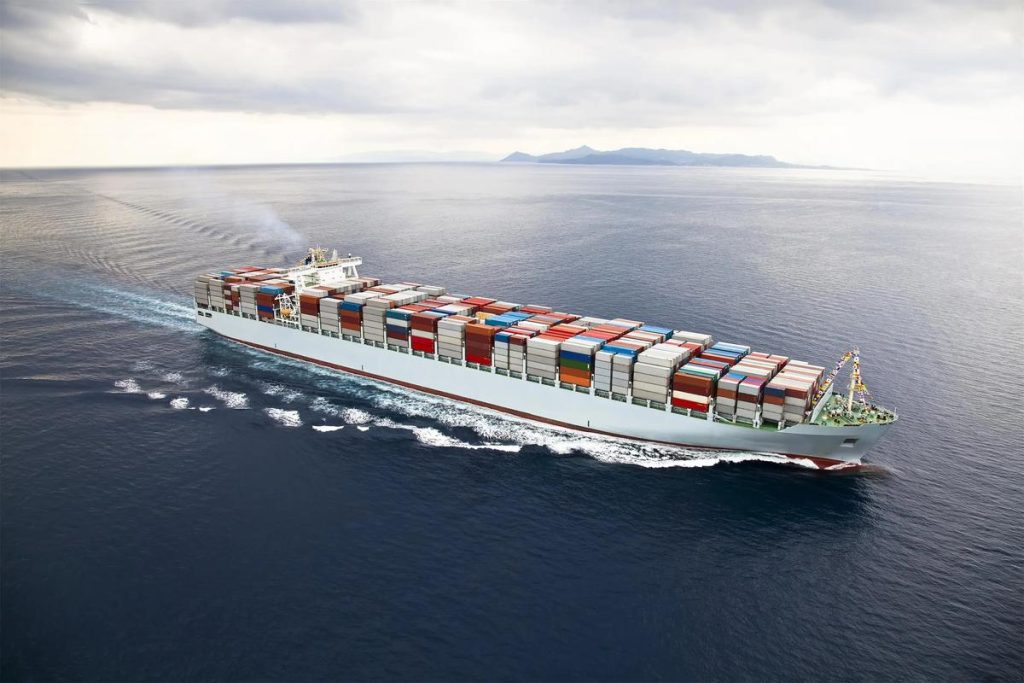
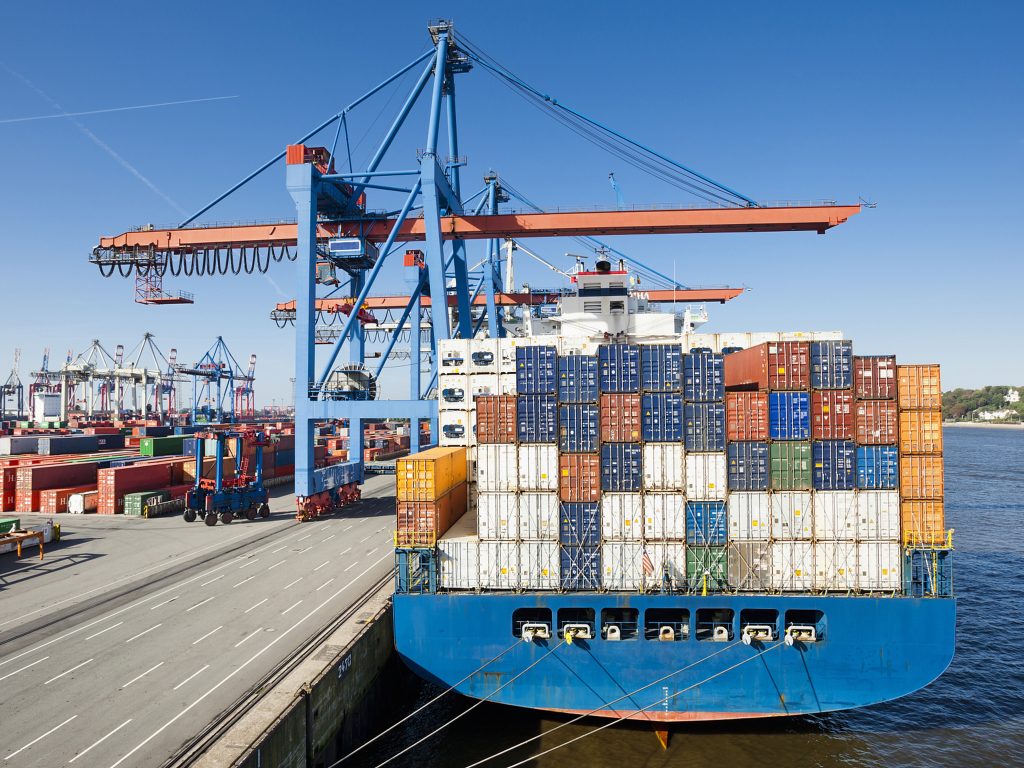
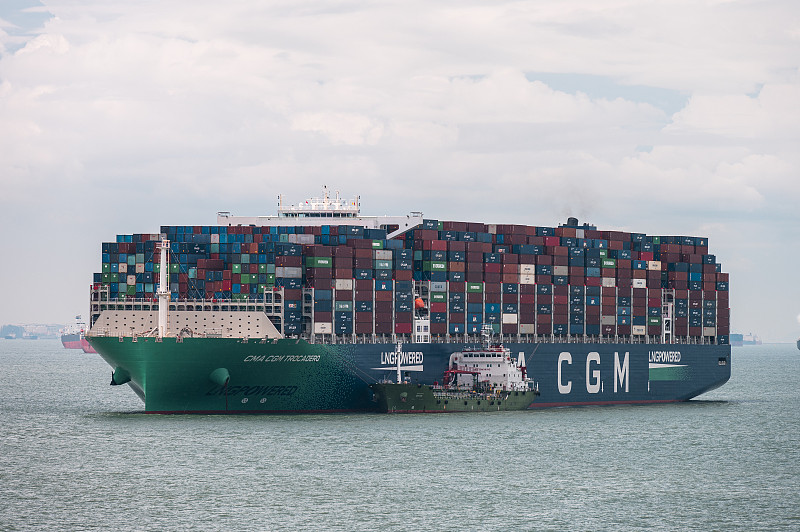
Sea freight is the most commonly used method for transporting goods between China and Spain. It is ideal for large shipments and heavy cargo because it offers the lowest cost per unit.
There are two primary sea freight options.
Full Container Load (FCL)
FCL shipping means one shipper uses the entire container for their cargo.
Advantages of FCL include:
- lower cost per unit for large shipments
- reduced cargo handling
- lower risk of damage
- faster container processing
Common container sizes include:
- 20-foot container
- 40-foot container
- 40-foot high cube container
Less than Container Load (LCL)
LCL shipping allows multiple shipments from different exporters to share space in one container.
Advantages include:
- suitable for small shipments
- flexible cargo volume
- cost-effective for small businesses
However, LCL shipments may require additional handling time because cargo must be consolidated and separated in warehouses.
Air Freight
Air freight is the fastest transportation option for shipping goods from China to Spain. Businesses typically use air freight for urgent shipments or high-value cargo.
Air freight is commonly used for:
- electronic products
- medical equipment
- fashion products
- luxury goods
Advantages of air freight include:
- fast delivery
- reliable flight schedules
- secure cargo handling
The main disadvantage is that air freight costs are higher than sea freight.
Rail Freight
Rail freight between China and Europe has become increasingly popular in recent years. The China–Europe railway network provides an efficient connection between major Chinese manufacturing cities and European logistics centers.
Advantages of rail freight include:
- faster than sea freight
- cheaper than air freight
- stable transportation schedules
Rail freight is suitable for transporting electronics, machinery, and industrial products.
Shipping Cost from China to Spain
Shipping costs depend on many factors such as cargo volume, weight, shipping method, and seasonal demand.
Factors Affecting Shipping Cost
Freight costs are influenced by:
- cargo size and weight
- transportation method
- fuel prices
- peak shipping seasons
- port congestion
- customs duties and taxes
Sea Freight Cost
Sea freight is generally the most economical option for transporting large shipments.
Typical sea freight charges include:
- ocean freight fees
- port handling charges
- documentation fees
- customs clearance costs
- inland transportation
Air Freight Cost
Air freight costs are calculated based on the higher value between actual cargo weight and volumetric weight.
Because of the speed and convenience of air transport, the cost is significantly higher than sea freight.
Shipping Time from China to Spain
Transit time varies depending on the transportation method and the specific shipping route.
Sea Freight Transit Time
Sea freight shipments from China to Spain usually take 25 to 35 days, depending on the departure and arrival ports.
Air Freight Transit Time
Air freight typically takes 3 to 7 days, including cargo handling and customs clearance.
Rail Freight Transit Time
Rail freight shipments usually take 15 to 20 days from China to Europe.
Major Export Ports in China
China has several large ports that handle international cargo exports.
Major Chinese ports include:
- Shanghai
- Shenzhen
- Ningbo
- Guangzhou
- Qingdao
- Tianjin
- Xiamen
These ports operate regular shipping routes to many European destinations including Spain.
Major Import Ports in Spain
Spain has several important ports that receive international cargo shipments.
Major Spanish ports include:
- Barcelona
- Valencia
- Algeciras
- Bilbao
Valencia and Barcelona are among the busiest container ports in Spain and serve as key logistics gateways for cargo arriving from Asia.
Customs Clearance in Spain
All goods entering Spain must complete customs clearance procedures in accordance with European Union import regulations.
Importers typically need to provide the following documents:
- commercial invoice
- packing list
- bill of lading or air waybill
- customs declaration
- import documentation
Customs authorities review shipments to ensure compliance with EU regulations and determine applicable duties and taxes.
Working with experienced freight forwarders can help simplify the customs clearance process.
Door-to-Door Shipping from China to Spain
Many companies prefer door-to-door shipping services because they simplify international logistics management.
Door-to-door services usually include:
- cargo pickup from the supplier
- export customs clearance in China
- international transportation
- customs clearance in Spain
- final delivery to the destination
This service allows businesses to focus on their operations while logistics companies handle the transportation process.
Tips for Importing from China to Spain
Businesses importing goods from China should consider several important logistics strategies.
Plan shipments in advance
International shipping schedules may be affected by holidays, peak seasons, and port congestion.
Choose the right shipping method
Sea freight is ideal for large shipments, while air freight is suitable for urgent deliveries.
Prepare accurate documentation
Incorrect or incomplete documents may delay customs clearance.
Work with experienced logistics partners
Professional freight forwarders can help optimize shipping routes and reduce transportation risks.
Benefits of Professional Freight Forwarding Services
Freight forwarders play an important role in international logistics operations.
Key benefits include:
- optimized shipping routes
- competitive freight rates
- customs clearance support
- shipment tracking systems
- logistics consulting services
These services help businesses improve supply chain efficiency and reduce shipping risks.
FAQ
How long does shipping from China to Spain take?
Sea freight usually takes 25 to 35 days, air freight takes 3 to 7 days, and rail freight takes about 15 to 20 days.
What is the cheapest shipping method from China to Spain?
Sea freight is generally the most economical option for large shipments.
What documents are required to import goods into Spain?
Importers usually need a commercial invoice, packing list, bill of lading or air waybill, and customs declaration.
Can small shipments be sent from China to Spain?
Yes. Small shipments can be transported using LCL sea freight, air freight, or express courier services.
Is door-to-door shipping available from China to Spain?
Yes. Many logistics providers offer door-to-door shipping services including pickup, international transport, customs clearance, and final delivery.
Shipping from China to Spain requires careful planning, the right logistics strategy, and reliable transportation services. Businesses that understand the shipping process can reduce costs, improve delivery efficiency, and ensure smooth international trade operations.