

Introduction
When importing goods from China to Europe, one of the most important decisions is whether to use LCL (Less than Container Load) or FCL (Full Container Load) shipping. The choice affects costs, transit time, handling, and risk.
This guide explains the differences between LCL and FCL, the advantages and disadvantages of each, and how to select the best option for your business.
What is LCL Shipping?
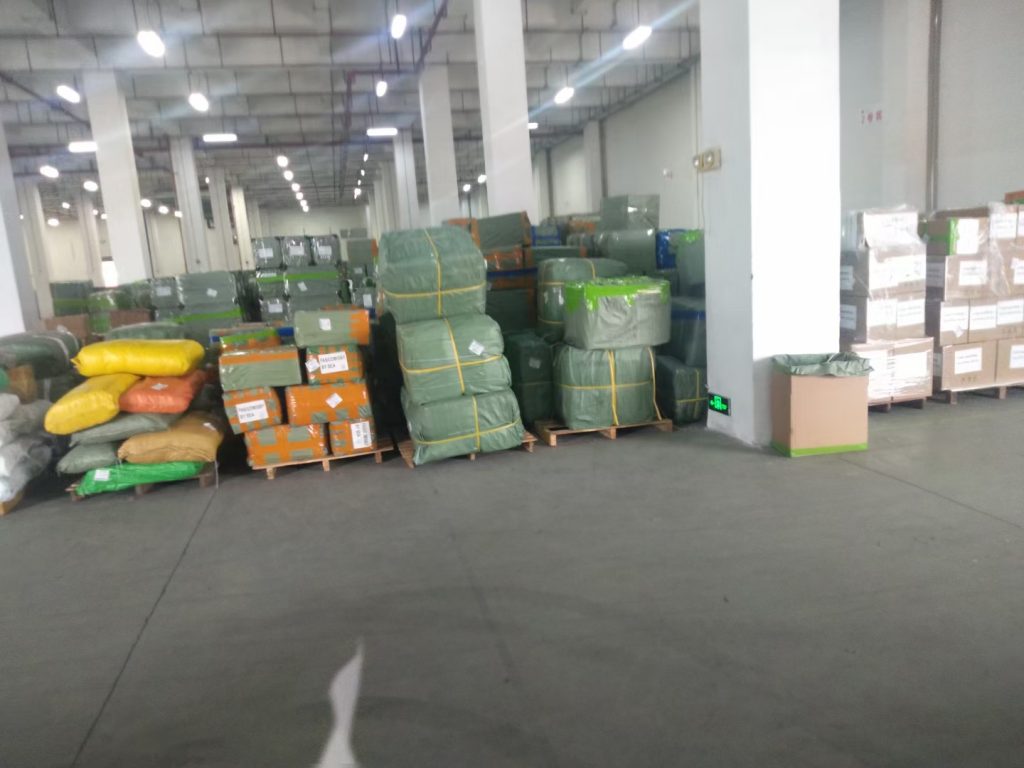
LCL (Less than Container Load) means your cargo does not fill a full container. Your goods are consolidated with other shipments in one container.
Key Features:
- Ideal for small shipments
- Cost shared among multiple shippers
- Requires careful packaging to prevent damage
What is FCL Shipping?
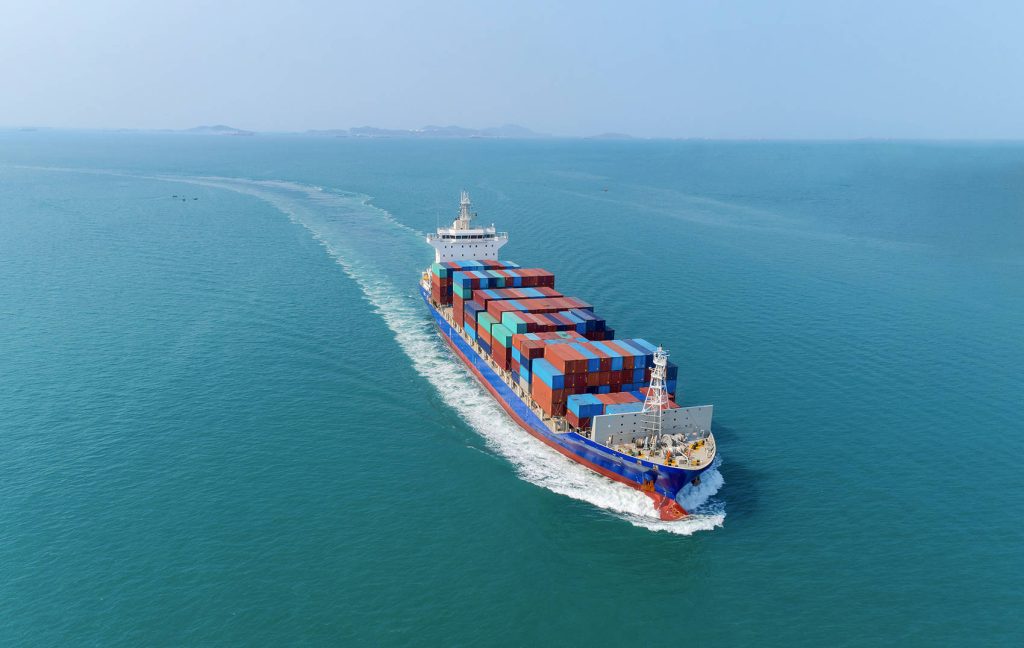
FCL (Full Container Load) means you book an entire container exclusively for your shipment.
Key Features:
- Ideal for large shipments
- Greater control over cargo handling
- Reduced risk of damage or contamination
Comparison Between LCL and FCL
| Feature | LCL | FCL |
|---|---|---|
| Cost | Lower for small shipments | Higher upfront cost |
| Transit Time | Longer (due to consolidation/deconsolidation) | Faster and direct |
| Risk | Higher risk of damage | Lower risk |
| Minimum Shipment | Small volumes | Full container only |
| Flexibility | Good for varied products | Best for bulk shipments |
Advantages of LCL
- Cost-effective for small shipments
- Flexible shipping schedules
- Allows importing smaller quantities
Disadvantages of LCL
- Longer transit times due to consolidation
- Higher risk of cargo damage or delays
- Requires more careful coordination with freight forwarders
Advantages of FCL
- Faster transit times
- Lower risk of damage
- Full control over container loading and security
- Often more economical per unit for large shipments
Disadvantages of FCL
- Higher upfront cost
- Requires enough cargo to fill a container
How to Choose Between LCL and FCL
- Shipment Size
- Small shipments → LCL
- Large shipments → FCL
- Delivery Speed
- Urgent shipments → FCL
- Flexible timelines → LCL
- Budget
- Small budget → LCL
- Bulk shipping cost-effective → FCL
- Cargo Sensitivity
- Fragile goods → FCL preferred
- Mixed cargo → extra precautions for LCL
Tips for LCL Shipping
- Use strong, protective packaging
- Label boxes clearly
- Confirm container consolidation schedules
- Choose experienced freight forwarders
Tips for FCL Shipping
- Maximize container utilization
- Ensure proper loading and securing of goods
- Check container condition before shipping
FAQ
What is LCL shipping?
LCL is shipping goods that do not fill an entire container; cargo is shared with other shipments.
What is FCL shipping?
FCL is using a full container exclusively for your goods.
Which is cheaper?
Depends on shipment size: LCL is cheaper for small shipments, FCL is cheaper per unit for large shipments.
Does LCL take longer than FCL?
Yes, because consolidation and deconsolidation take additional time.
Can fragile goods be shipped via LCL?
Yes, but careful packaging and handling are required.
Choosing between LCL and FCL is crucial for optimizing shipping from China to Europe. By understanding the differences, advantages, and limitations, businesses can select the right container option, reduce costs, and ensure safe, timely delivery.