

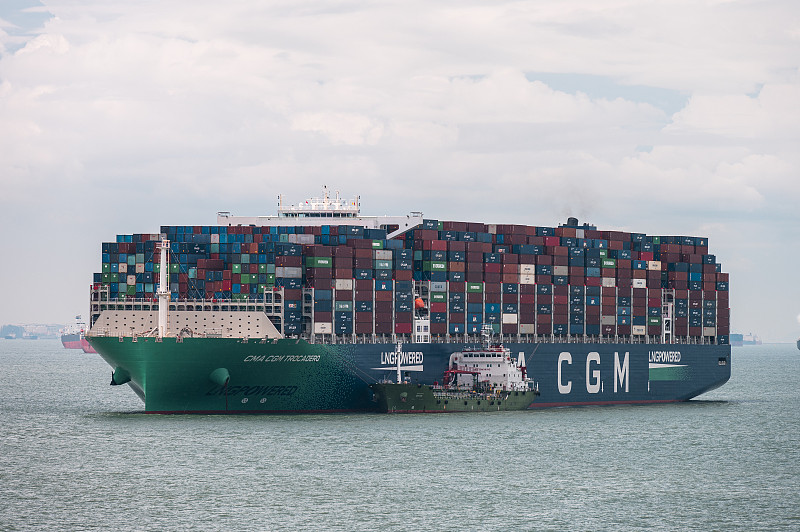
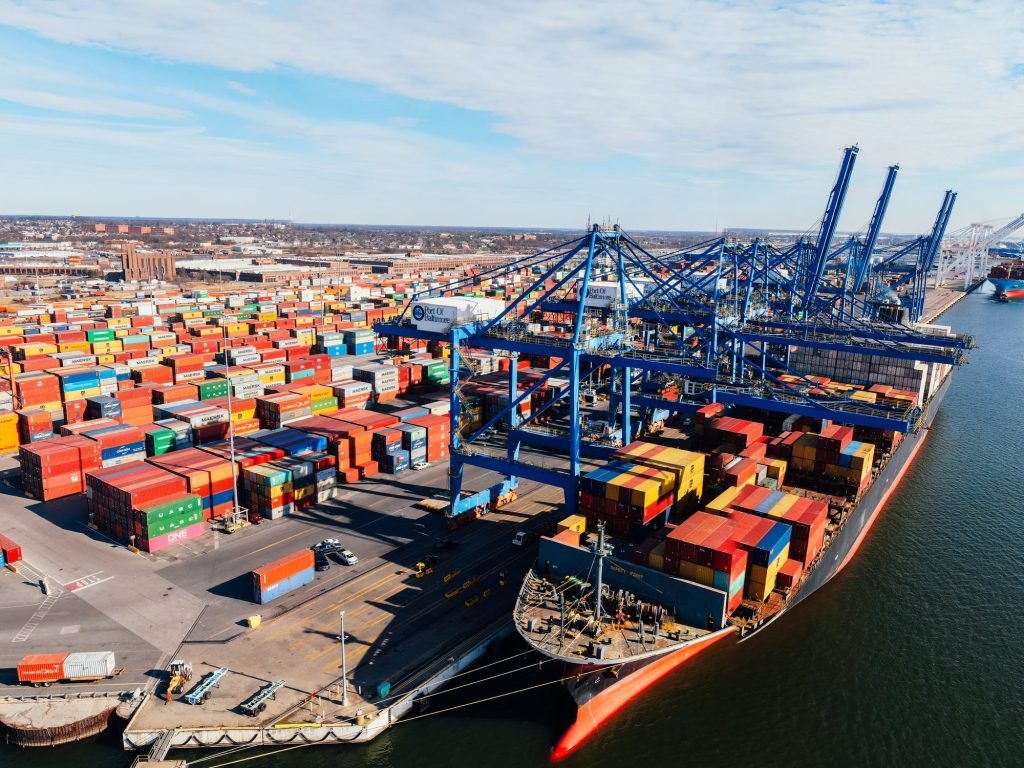
When importing goods from China to Europe, one of the most important concerns for importers is shipping time. For small and medium shipments, LCL (Less than Container Load) sea freight is widely used because of its flexibility and cost efficiency. However, transit time can vary depending on the route, destination country, port congestion, and customs clearance.
In this article, we will explain in detail the China LCL sea freight forwarder to Europe transit time, including average shipping duration, influencing factors, and how to optimize delivery speed.
H2: What Is LCL Sea Freight from China to Europe?
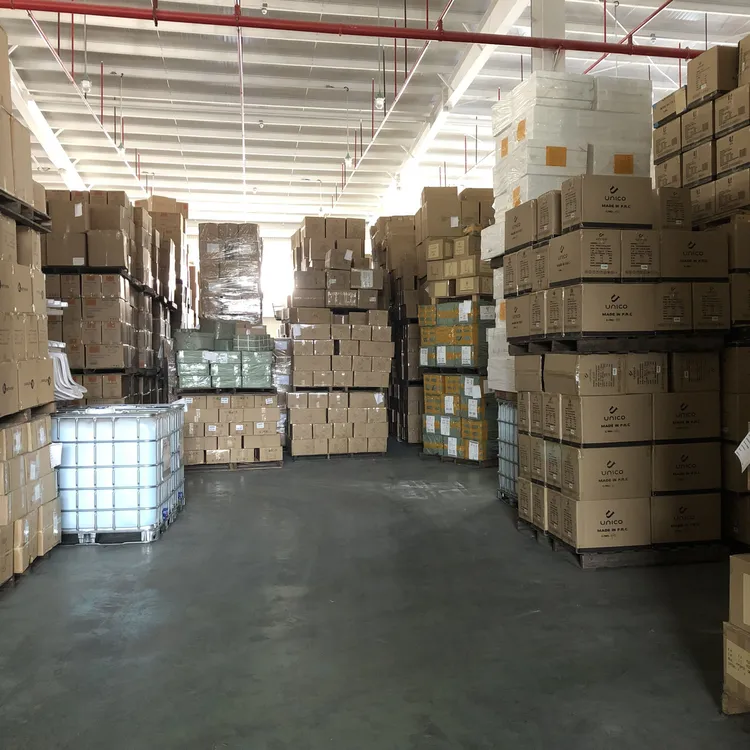
LCL shipping means your cargo is consolidated with goods from other shippers inside one container. A freight forwarder handles the entire logistics process, including:
- Cargo pickup in China
- Warehouse consolidation
- Export customs clearance
- Ocean shipping to Europe
- Import customs clearance
- Final delivery to destination address
This service is ideal for shipments between 1 CBM and 15 CBM.
H2: Average Transit Time from China to Europe (LCL Shipping)
The typical shipping time for LCL sea freight from China to Europe is:
- 25 – 45 days (door-to-door)
- 20 – 35 days (port-to-port)
However, the exact time depends on the destination country and shipping route.
Estimated Transit Time by Region
| Destination Region | Transit Time (LCL) |
|---|---|
| Northern Europe (UK, Germany, Netherlands) | 25–35 days |
| Western Europe (France, Belgium, Spain) | 25–40 days |
| Southern Europe (Italy, Greece) | 30–45 days |
| Eastern Europe (Poland, Czech Republic) | 30–50 days |
H2: Main Shipping Routes from China to Europe
Most LCL shipments depart from major Chinese ports:
- Shanghai Port
- Ningbo Port
- Shenzhen Port
- Guangzhou Port
And arrive at major European ports such as:
- Rotterdam (Netherlands)
- Hamburg (Germany)
- Antwerp (Belgium)
- Felixstowe (UK)
- Valencia (Spain)
Rotterdam is the largest entry hub and often used for inland distribution across Europe.
H2: Step-by-Step LCL Shipping Process
Step 1: Pickup in China
Goods are collected from suppliers or factories and transported to the consolidation warehouse.
Step 2: Cargo Consolidation
Multiple shipments are combined into one container to optimize space and cost.
Step 3: Export Customs Clearance
Freight forwarder prepares:
- Commercial invoice
- Packing list
- Export declaration
Step 4: Ocean Freight Shipping
Container is shipped from China to Europe via international sea routes.
Step 5: Import Customs Clearance in Europe
Customs authorities may inspect documents and goods before release.
Step 6: Final Delivery
After clearance, goods are delivered via trucking or courier service to the final address.
H2: Factors That Affect Transit Time
1. Destination Country
Northern European countries like Germany and Netherlands usually have faster clearance and delivery.
2. Port Congestion
Busy ports such as Rotterdam or Hamburg may experience delays during peak seasons.
3. Weather Conditions
Bad weather or typhoons in Asia can delay vessel departures.
4. Customs Inspection
Random inspections in Europe may extend delivery time by several days.
5. Consolidation Time
LCL shipments require warehouse consolidation, which can add 3–7 days before departure.
H2: LCL vs FCL Shipping Time Comparison
| Shipping Type | Transit Time | Notes |
|---|---|---|
| LCL Shipping | 25–45 days | Includes consolidation delays |
| FCL Shipping | 20–35 days | Faster, no consolidation needed |
FCL is generally faster, but LCL is more cost-efficient for small shipments.
H2: Door-to-Door vs Port-to-Port Time Difference
- Port-to-port: Faster but requires local handling
- Door-to-door: Slightly longer but includes full logistics service
DDP door-to-door shipping typically adds 3–7 days extra due to customs and last-mile delivery.
H2: How to Reduce Shipping Time from China to Europe
1. Choose Direct Shipping Routes
Avoid transshipment routes when possible.
2. Use Experienced Freight Forwarders
Professional forwarders can reduce delays in:
- Customs clearance
- Documentation errors
- Warehouse handling
3. Ship Before Peak Season
Avoid delays during:
- Chinese New Year
- Christmas season
- Summer peak shipping months
4. Prepare Documents Early
Accurate paperwork helps speed up customs processing.
5. Optimize Cargo Consolidation
Ensure goods are ready for warehouse entry without delays.
H2: Common Delays in LCL Shipping
1. Waiting for Consolidation
LCL requires enough cargo to fill container space efficiently.
2. Customs Hold
Incorrect or incomplete documents may cause inspection delays.
3. Port Congestion
High traffic at European ports slows down unloading.
4. Trucking Delays
Final delivery may be delayed due to local logistics conditions.
H2: Who Should Use LCL Shipping to Europe?
LCL sea freight is ideal for:
- Amazon EU sellers
- Small and medium importers
- eCommerce businesses
- Wholesale distributors
- Trial or sample shipments
If your cargo volume is between 1–15 CBM, LCL is usually the best choice.
H2: Why Transit Time Matters in International Trade
Fast and reliable shipping time helps businesses:
- Maintain inventory stability
- Avoid stock shortages
- Improve customer satisfaction
- Reduce warehousing costs
For eCommerce sellers, predictable delivery time is even more important than low cost.
H2: Conclusion
The China LCL sea freight forwarder to Europe transit time typically ranges from 25 to 45 days door-to-door, depending on destination, route, and customs conditions.
While LCL shipping is slightly slower than FCL due to consolidation, it remains one of the most cost-effective solutions for small shipments.
To ensure stable and efficient delivery, importers should:
- Work with reliable freight forwarders
- Prepare documents in advance
- Avoid peak shipping seasons
- Optimize packaging and consolidation
With proper planning, LCL sea freight from China to Europe can be both affordable and reliable for long-term business growth.
Tags
China LCL Europe shipping time, LCL transit time China to Europe, sea freight China Europe duration, door to door shipping Europe China, LCL freight forwarder Europe, China logistics Europe shipping time, import from China to Europe shipping days, ocean freight transit time Europe, LCL shipping delay factors, China cargo shipping Europe