

No More Rolled Shipments: How to Secure a Reliable China LCL Forwarder with Guaranteed Space
For importers, few things are as frustrating as hearing: “Your cargo has been rolled.” In the world of Less than Container Load (LCL) shipping from China, “rolled cargo”—where your shipment is left behind despite being ready—is a silent profit killer. It disrupts inventory, destroys launch timelines, and erodes trust with your customers.
While many forwarders promise “cheap rates,” only a select few can guarantee space protection and priority loading. This guide explains how to find a logistics partner who treats your shipment as a priority, not just a number on a manifest.
1. Why LCL Shipments Get “Rolled” (And Why It’s Not Always the Carrier’s Fault)
Most shippers blame the shipping lines, but the root cause often lies with the forwarder.
- Lack of Volume Commitment: Small forwarders don’t have contracts with carriers. They buy “spot space” and when the ship fills up, their cargo is the first to be left behind.
- Poor Consolidation Timing: If your forwarder misses the cut-off time at the warehouse, your LCL shipment misses the vessel.
- Documentation Errors: A single mistake in the manifest can cause customs to hold the entire container, forcing the carrier to leave it on the dock.
2. The “Space Guarantee” Difference
A reliable forwarder doesn’t just book space; they own the space. Look for these operational traits that ensure priority:
A. First-Hand NVOCC Status
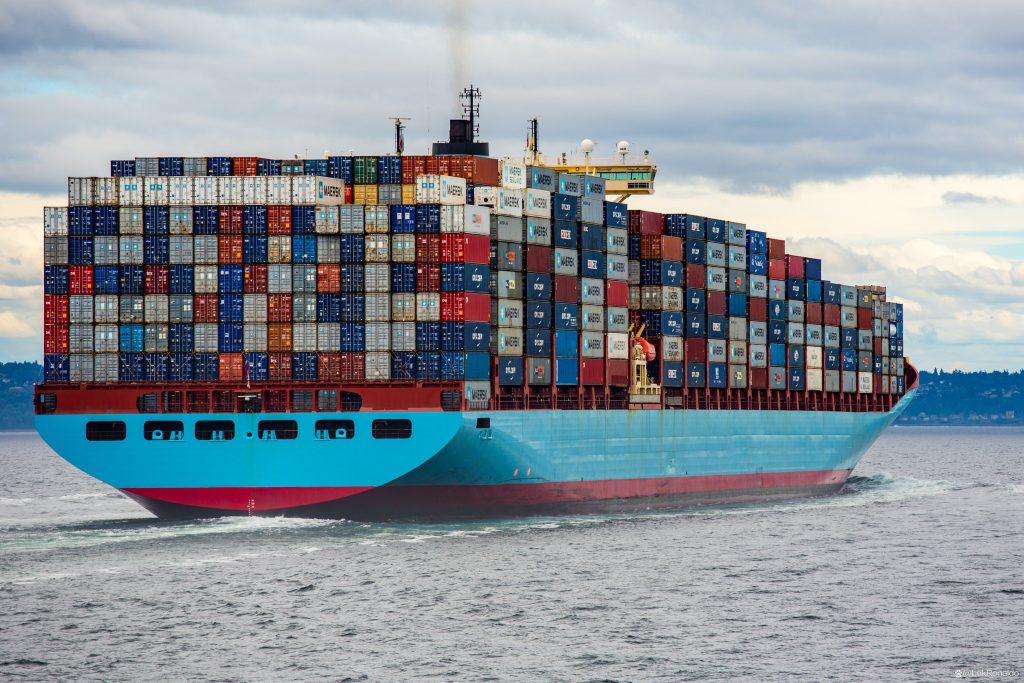
A forwarder with NVOCC (Non-Vessel Operating Common Carrier) status has direct contracts with shipping lines like Maersk, COSCO, or Evergreen. They have Volume Allocation—a specific number of slots reserved weekly. This is your only real protection against peak season chaos.
B. Self-Controlled Warehousing
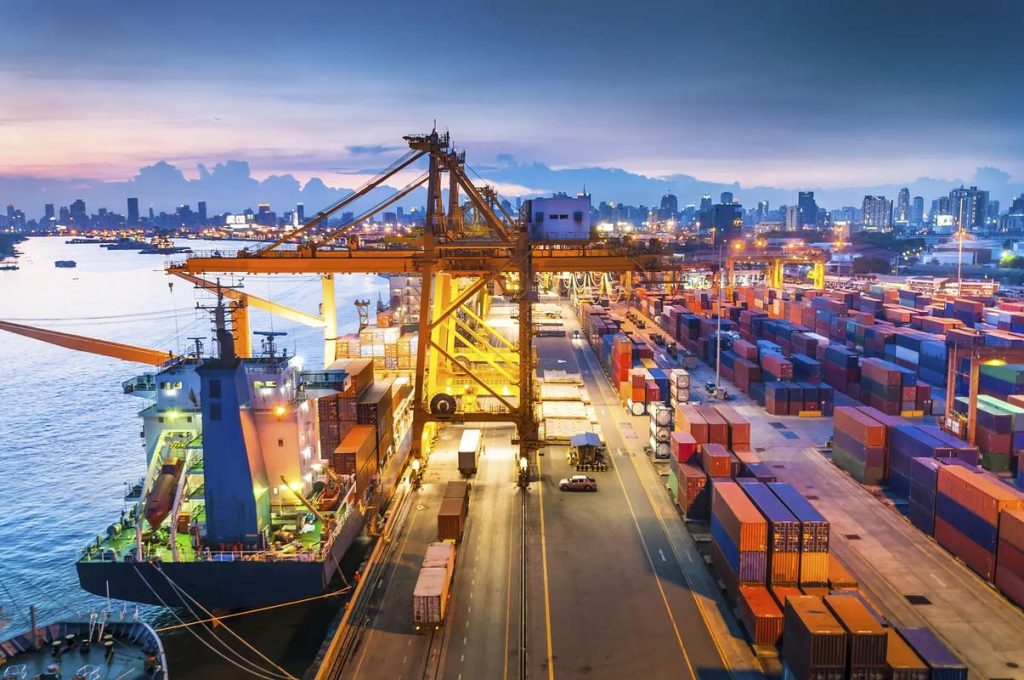
To guarantee priority loading, the forwarder must control the consolidation process. If they use a third-party warehouse, they lose control over timing. A reliable partner has their own facility near the port (Shanghai, Ningbo, Shenzhen) to ensure your cargo is stuffed and sealed before the cut-off.
C. Proactive Exception Management
Things go wrong. A good forwarder uses AI-driven tracking to monitor port congestion. If a delay is predicted, they proactively move your LCL shipment to an earlier sailing or an alternative port to maintain the timeline.
3. How to Vet for “Priority Loading”
Don’t just take their word for it. Ask these specific questions to verify their ability to prevent delays:
- “What is your weekly on-time sailing rate?” (Look for >98%).
- “Do you have a ‘Plan B’ vessel in case of rollovers?”
- “Can you provide a certificate of space allocation for my shipment?”
4. The Cost of “Cheap” vs. The Value of “Certainty”
It is tempting to choose the lowest quote. However, the cost of a rolled shipment is far higher than the savings:
- Air Freight Emergency: Paying 5x the cost to fly inventory to meet a deadline.
- Lost Sales: Empty shelves during a peak sales period.
- Storage Fees: Paying for warehousing while you wait for the next sailing.
A forwarder who offers guaranteed space might cost slightly more, but they protect your bottom line.
5. Technology as a Shield Against Delays
Modern logistics platforms use Predictive Analytics to forecast port congestion. They analyze historical data to know which sailings are most likely to be delayed. By choosing a tech-forward forwarder, you leverage data to ensure your LCL shipment is on the fastest, most reliable vessel available.
Conclusion
In the volatile world of sea freight, “cheap” is expensive. If you are tired of rolled shipments and unpredictable delays, stop looking for the lowest price and start looking for space certainty.
Partner with a forwarder who has the volume, the infrastructure, and the technology to guarantee your cargo moves when promised. Your supply chain deserves priority—demand it.