

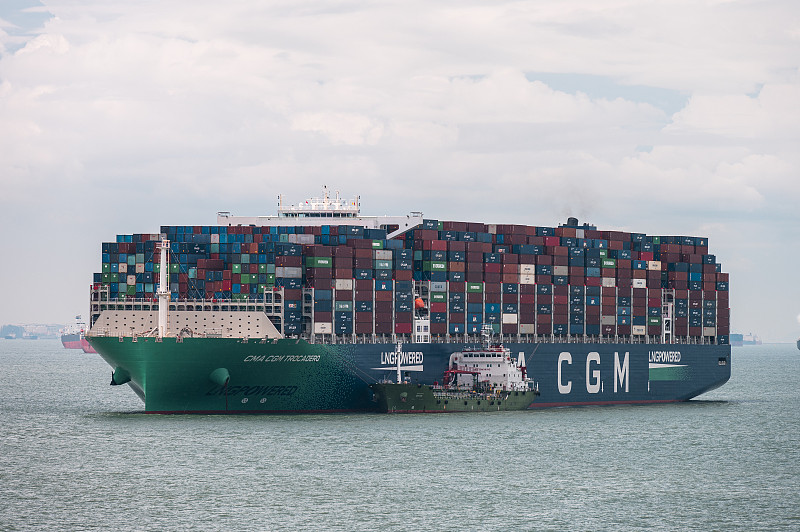
High international logistics costs are one of the biggest challenges for importers and exporters shipping from China to global markets. Rising ocean freight rates, air cargo surcharges, fuel fees, and peak season demand can quickly increase your total landed cost.
This article explains why shipping costs are high and how a professional freight forwarder helps you reduce sea and air freight expenses without sacrificing reliability.
1. Why International Shipping Costs Are So High
Understanding cost drivers helps you control them more effectively.
1.1 Fuel Surcharges and Market Fluctuations
Freight rates are heavily influenced by:
- Global fuel prices
- Shipping line capacity changes
- Airline cargo demand
- Geopolitical disruptions
These factors make pricing unstable and often unpredictable.
1.2 Peak Season Price Increases
During high-demand periods, such as:
- Pre-Christmas season
- Black Friday
- Chinese New Year rush
Shipping lines increase rates due to limited space and high demand.
1.3 Port Congestion and Delays
When ports are congested:
- Containers stay longer in storage
- Demurrage and detention fees increase
- Schedule delays affect cost efficiency
1.4 Inefficient Shipping Planning
Many businesses overpay because of:
- Wrong shipping method selection
- Last-minute bookings
- No consolidation strategy
- Lack of route optimization
2. How to Reduce Sea Freight Costs
Sea freight is the most cost-effective method, but only when optimized properly.
2.1 Use LCL (Less than Container Load) Consolidation
Instead of paying for a full container, LCL allows you to:
- Share container space
- Reduce cost for small shipments
- Ship more frequently with lower risk
2.2 Choose the Right Container Type
Selecting the correct container can reduce waste cost:
- 20GP for small cargo
- 40HQ for high-volume shipments
- Reefer containers only when necessary
2.3 Optimize Cargo Volume and Packaging
Improving packaging efficiency can:
- Reduce volumetric weight
- Maximize container space usage
- Lower per-unit shipping cost
2.4 Book in Advance
Early booking helps secure:
- Lower base rates
- Better sailing schedules
- More stable pricing
3. How to Reduce Air Freight Costs
Air freight is fast but expensive. Smart planning can significantly reduce cost.
3.1 Use Consolidated Air Shipping
Instead of shipping individually:
- Combine multiple shipments
- Share airline capacity
- Reduce per-kg cost
3.2 Optimize Chargeable Weight
Airlines charge based on:
- Actual weight
- Volumetric weight (whichever is higher)
Reducing packaging size can significantly cut costs.
3.3 Avoid Peak Air Cargo Seasons
Air freight prices spike during:
- Holiday seasons
- E-commerce promotion periods
- Sudden supply chain disruptions
Planning ahead avoids unnecessary premiums.
3.4 Choose Flexible Air Routes
Indirect routes can sometimes be cheaper than direct flights while maintaining reasonable transit time.
4. How Freight Forwarders Help Reduce Logistics Costs
A professional freight forwarder plays a key role in cost optimization.
4.1 Carrier Rate Negotiation
Experienced forwarders can access:
- Contracted shipping rates
- Airline bulk discounts
- Long-term carrier agreements
4.2 Multi-Carrier Comparison
Instead of relying on one carrier, forwarders compare:
- Multiple shipping lines
- Different airlines
- Combined transport options
4.3 Route Optimization Strategy
They select:
- Faster transit routes
- Lower-cost transshipment hubs
- Efficient multimodal solutions
4.4 Cargo Consolidation Services
Freight forwarders group shipments from different clients to reduce cost per unit.
5. Smart Strategies to Control Long-Term Logistics Costs
5.1 Build Long-Term Shipping Plans
Avoid ad-hoc shipping decisions. Plan monthly or quarterly logistics.
5.2 Standardize Packaging
Uniform packaging reduces waste space and improves loading efficiency.
5.3 Work With a Stable Freight Partner
Long-term cooperation leads to:
- Better pricing
- Priority space allocation
- Faster problem resolution
6. Conclusion
International shipping costs are influenced by many external factors, but businesses can still control and reduce expenses through smart logistics strategies.
By optimizing packaging, choosing the right shipping method, and working with an experienced freight forwarder, companies can significantly reduce both sea and air freight costs while maintaining stable delivery performance.