

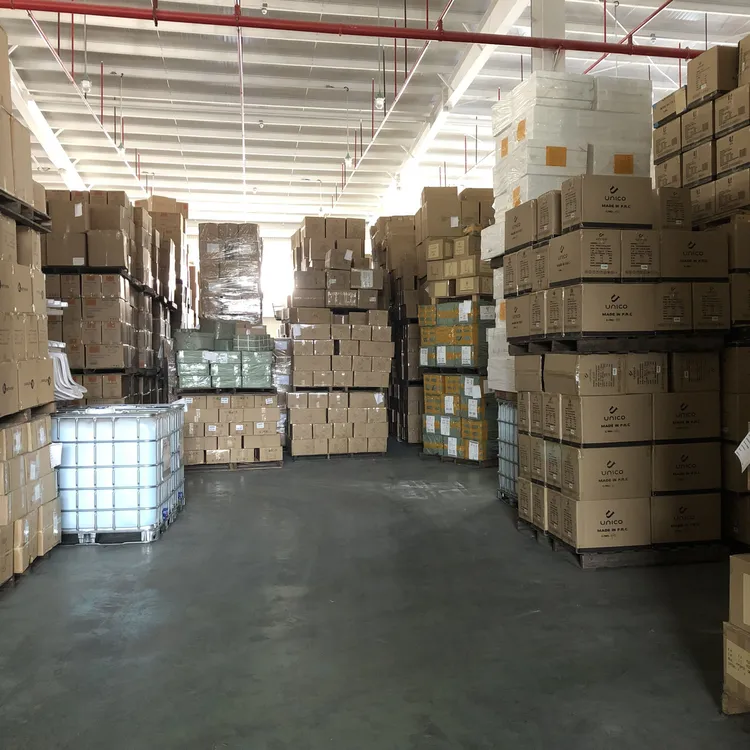
Customs seizure is one of the most serious risks in international shipping. When goods are detained or seized by customs, it can lead to delays, fines, return of goods, or even destruction in severe cases.
This article explains why customs seizure happens and provides practical steps to prevent it, especially for exporters shipping from China to global markets.
1. Why Customs Seizes Export or Import Goods
Understanding the reasons helps you avoid costly mistakes.
1.1 Incorrect Product Declaration
One of the most common causes is:
- Misleading product descriptions
- Wrong HS codes
- Inconsistent invoice information
Customs requires accurate and transparent declarations.
1.2 Undervaluation or Overvaluation
If the declared value is unrealistic:
- Customs may suspect tax evasion
- Shipment may be held for inspection
- Additional duties or penalties may be applied
1.3 Missing Required Certificates
Some goods require special documentation, such as:
- CE certification (Europe)
- FDA approval (USA)
- Battery transport certificates (air freight)
- Agricultural or chemical permits
Without these, goods may be detained.
1.4 Restricted or Prohibited Goods
Certain products are strictly controlled or banned depending on the destination country, such as:
- Dangerous chemicals
- Counterfeit branded goods
- Unapproved electronic devices
- Sensitive or regulated materials
1.5 Suspicious Shipping Behavior
Customs may inspect shipments due to:
- Frequent small shipments with high value
- Unusual shipping routes
- Inconsistent exporter history
- Random inspection policies
2. How to Avoid Customs Seizure (Step-by-Step Solutions)
A professional freight strategy can significantly reduce risk.
2.1 Use Accurate HS Code Classification
Correct HS code ensures:
- Proper tax calculation
- Smooth clearance process
- Reduced inspection risk
Always verify HS codes with your freight forwarder before shipping.
2.2 Provide Transparent and Consistent Documentation
Ensure all documents match:
- Commercial invoice
- Packing list
- Bill of Lading / Air Waybill
Consistency is key to avoiding suspicion.
2.3 Declare Realistic Cargo Value
Avoid:
- Extremely low declared values
- Artificial invoice splitting
Use market-based pricing for declaration.
2.4 Check Destination Country Regulations in Advance
Each country has different import rules. Before shipping, confirm:
- Product restrictions
- Certification requirements
- Import duties and taxes
2.5 Work With an Experienced Freight Forwarder
A professional logistics partner helps you:
- Pre-check shipment compliance
- Prepare correct documents
- Communicate with customs brokers
- Reduce inspection risks
3. High-Risk Situations You Should Avoid
Certain shipping behaviors increase seizure risk:
3.1 Shipping Branded Goods Without Authorization
Counterfeit or unauthorized branded items are frequently seized.
3.2 Inconsistent Shipping History
Sudden large shipments without history may trigger inspection.
3.3 Incorrect Product Descriptions
Generic descriptions like “parts” or “accessories” can raise red flags.
3.4 Ignoring Import Regulations
Failing to check country-specific rules often leads to detention.
4. How Freight Forwarders Help Prevent Customs Problems
Experienced freight forwarders play a critical role in compliance.
4.1 Pre-Shipment Compliance Check
They verify:
- Product classification
- Documentation accuracy
- Import requirements
4.2 Customs Broker Coordination
They work with licensed brokers to:
- Ensure smooth declaration
- Handle inspections quickly
- Resolve customs inquiries
4.3 Risk Assessment Before Shipping
Forwarders can identify:
- High-risk destinations
- Restricted product categories
- Better shipping routes
4.4 Correct Valuation Strategy
They help balance:
- Legal compliance
- Tax efficiency
- Risk reduction
5. How to Build a Safe International Shipping System
Long-term success depends on process control.
5.1 Standardize Shipping Documents
Create templates for:
- Invoice
- Packing list
- Product descriptions
5.2 Maintain Product Compliance Database
Keep records of:
- HS codes
- Certification requirements
- Country-specific regulations
5.3 Use Cargo Insurance for High-Value Goods
Insurance helps reduce financial risk in extreme cases.
5.4 Build Long-Term Freight Partnerships
Stable freight forwarders provide:
- Consistent compliance support
- Faster communication
- Lower operational risk
6. Conclusion
Customs seizure is usually caused by documentation errors, incorrect declarations, or lack of compliance knowledge. The good news is that most of these risks are completely preventable.
With accurate documentation, proper HS classification, and support from an experienced freight forwarder, you can significantly reduce the risk of customs detention and ensure smooth international shipping.