

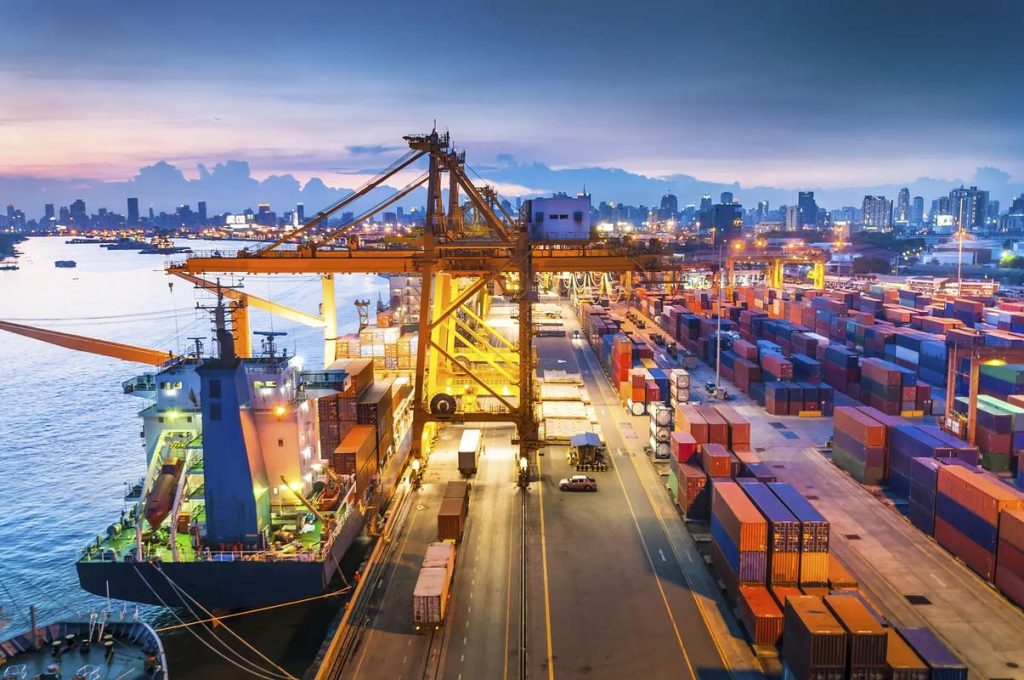
Shipping small cargo internationally can be challenging because full container shipping (FCL) is often too expensive, while parcel or express shipping may not be suitable for bulk or commercial goods.
This is where LCL (Less than Container Load) shipping becomes the best solution for small and medium shipments from China to global destinations.
This article explains how LCL works and how to ensure safe, cost-effective, and reliable small cargo transportation.
1. What Is LCL Shipping?
LCL (Less than Container Load) means your cargo is:
- Combined with other shippers’ goods
- Shipped in a shared container
- Charged based on volume (CBM) or weight
It is ideal for:
- Small businesses
- E-commerce sellers
- Sample shipments
- Low-volume orders
2. When Should You Choose LCL Shipping?
LCL is the right choice when:
2.1 Your Cargo Is Not Enough for a Full Container
If your shipment is:
- Less than 15–20 CBM
- Not urgent enough for air freight
- Too large for express shipping
2.2 You Want to Reduce Shipping Costs
Instead of paying for an entire container, you only pay for:
- Actual space used
- Shared shipping cost
2.3 You Ship Frequently in Small Quantities
LCL is ideal for:
- Regular restocking
- Online store inventory
- Trial market expansion
3. How LCL Shipping Works
The LCL process includes several key stages:
3.1 Cargo Collection
Goods from different exporters are collected at a warehouse.
3.2 Consolidation
Freight forwarders:
- Combine multiple shipments
- Load them into one container
- Optimize space usage
3.3 Export Customs Clearance
All goods are cleared at the origin port in China.
3.4 Sea Transportation
The container is shipped to the destination country.
3.5 Deconsolidation
At the destination:
- Cargo is separated
- Each consignee receives their goods
3.6 Final Delivery
Goods are delivered to the final address or warehouse.
4. Advantages of LCL Shipping
4.1 Lower Shipping Cost
You only pay for:
- Volume (CBM)
- Handling fees
4.2 Flexible Shipping Schedule
No need to wait for full container loading.
4.3 Ideal for Small Businesses
Perfect for companies testing new markets.
4.4 Global Coverage
LCL shipping is available to:
- USA
- Europe
- Middle East
- Southeast Asia
- Africa
5. Risks of LCL Shipping and How to Avoid Them
LCL is cost-effective, but it also has some risks.
5.1 Cargo Damage Risk
Because cargo is shared, improper handling may cause damage.
Solution:
- Strong packaging
- Wooden crates or pallets
- Proper labeling
5.2 Longer Transit Time
LCL may take longer due to:
- Consolidation waiting time
- Deconsolidation at destination
5.3 Misrouting or Delay
Multiple shipments in one container increase complexity.
Solution:
- Work with experienced freight forwarders
- Use tracking systems
6. How Freight Forwarders Improve LCL Shipping
A professional freight forwarder ensures smooth LCL operations.
6.1 Cargo Consolidation Management
They combine shipments efficiently to:
- Reduce cost
- Maximize container space
6.2 Warehouse Handling Control
Proper handling reduces:
- Damage risk
- Loading errors
6.3 Customs Clearance Support
They ensure:
- Accurate documentation
- Smooth export and import clearance
6.4 End-to-End Tracking
Customers can monitor:
- Warehouse entry
- Container loading
- Shipping status
- Final delivery
7. Best Practices for Safe LCL Shipping
7.1 Use Strong Packaging Materials
Especially for fragile or high-value goods.
7.2 Label Cargo Clearly
Include:
- Consignee details
- Destination port
- Handling instructions
7.3 Avoid Mixing High-Risk Goods
Do not mix:
- Chemicals
- Fragile goods
- High-value electronics
7.4 Work With Reliable Freight Partners
Experience is critical in LCL consolidation logistics.
8. Conclusion
LCL shipping is one of the most cost-effective solutions for small cargo transportation from China. However, success depends on proper packaging, accurate documentation, and an experienced freight forwarding partner.
By optimizing your LCL strategy, you can reduce costs, improve efficiency, and ensure safe delivery to global markets.