

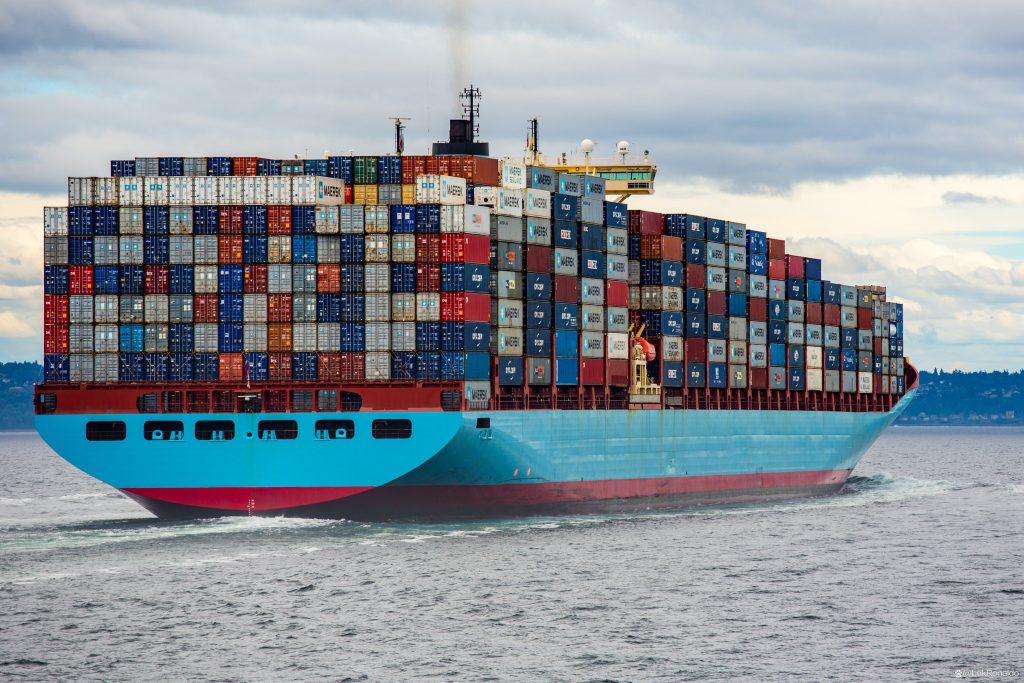
International shipping costs are one of the biggest challenges for importers, especially small and medium-sized businesses. Prices for air freight, sea freight, fuel surcharges, and customs fees can fluctuate frequently, making budgeting difficult.
However, working with a reliable China freight forwarder can significantly reduce overall logistics expenses while improving delivery efficiency. This article explains practical strategies to lower shipping costs without sacrificing speed or service quality.
Why International Shipping Costs Are So High
Before reducing costs, it’s important to understand what drives them:
- Fuel price fluctuations
- Shipping space shortages during peak seasons
- Customs duties and taxes
- Port handling and terminal fees
- Inefficient packaging or unused container space
- Lack of consolidation for small shipments
Many importers overpay simply because they do not optimize their logistics structure.
1. Use Cargo Consolidation (LCL Shipping)
One of the most effective cost-saving methods is cargo consolidation, also known as LCL (Less than Container Load).
Instead of paying for a full container, your goods are combined with other shipments heading to the same destination.
Benefits:
- Pay only for used space
- Lower entry cost for small shipments
- Flexible shipping schedules
- Ideal for SMEs and e-commerce sellers
A professional freight forwarder manages warehouse consolidation in China, helping you reduce wasted container space.
2. Choose the Right Shipping Method
Not all shipments require expensive air freight. Selecting the right transport method is key:
Sea Freight (Cheapest)
Best for bulk goods, heavy cargo, and non-urgent shipments.
Air Freight (Faster but Costlier)
Ideal for high-value or urgent products.
Rail Freight (Balanced Option)
Good for Europe-bound cargo with stable transit times.
A good freight forwarder will help you compare cost per kg or CBM and choose the most economical option.
3. Optimize Packaging to Reduce Volume Weight
Shipping costs are often calculated based on volumetric weight, not just actual weight.
Ways to reduce costs:
- Remove unnecessary packaging layers
- Use compact carton sizes
- Avoid oversized boxes
- Standardize packaging dimensions
Even small changes in packaging can reduce freight costs by 10–30%.
4. Ship During Low Season
Shipping prices change throughout the year.
Peak seasons:
- Before Chinese New Year
- Black Friday / Christmas period
- Mid-year retail seasons
Off-peak advantage:
- Lower freight rates
- Faster customs clearance
- More available container space
Planning shipments in advance helps avoid peak surcharges.
5. Work with a Freight Forwarder That Has Strong Carrier Relationships
Experienced freight forwarders negotiate better rates with:
- Shipping lines
- Airlines
- Trucking companies
- Customs brokers
Because of their volume, they often get discounted rates that individual importers cannot access.
6. Use Door-to-Door DDP Shipping to Avoid Hidden Fees
Many importers underestimate destination-side costs such as:
- Customs duties
- Import taxes
- Port handling fees
- Local delivery charges
A DDP (Delivered Duty Paid) service includes all costs in one quote, preventing unexpected expenses.
This improves cost control and simplifies budgeting.
7. Avoid Shipping Delays That Increase Storage Costs
Delays can lead to:
- Warehouse storage charges
- Port demurrage fees
- Inventory disruptions
A reliable freight forwarder ensures:
- Proper documentation
- Fast customs clearance
- Pre-arranged shipping schedules
Reducing delays directly reduces total logistics cost.
8. Combine Multiple Suppliers into One Shipment
If you buy from multiple factories in China, shipping separately increases costs.
A freight forwarder can:
- Collect goods from different suppliers
- Store them in a warehouse
- Consolidate into one shipment
This significantly reduces per-unit shipping cost.
9. Negotiate Long-Term Shipping Contracts
For regular importers, long-term agreements provide:
- Stable freight rates
- Priority space allocation
- Reduced seasonal price spikes
Consistency is key for cost control in global logistics.
FAQ
Q1: What is the cheapest way to ship from China?
Sea freight (especially LCL or FCL) is usually the most cost-effective method.
Q2: Can small businesses reduce shipping costs?
Yes. Consolidation, packaging optimization, and using a freight forwarder can significantly reduce costs.
Q3: Is DDP shipping more expensive?
It may look slightly higher upfront, but it includes all fees and prevents hidden charges.
Q4: How much can I save with a freight forwarder?
Depending on the shipment, savings can range from 10% to 40% through optimization and bulk pricing.
Conclusion
Reducing international shipping costs from China is not about choosing the cheapest carrier—it’s about optimizing the entire logistics process.
By working with a professional freight forwarder, using consolidation services, optimizing packaging, and selecting the right shipping method, businesses can dramatically reduce logistics expenses while improving delivery reliability.
Efficient freight management is one of the most powerful ways to increase profit margins in international trade.