

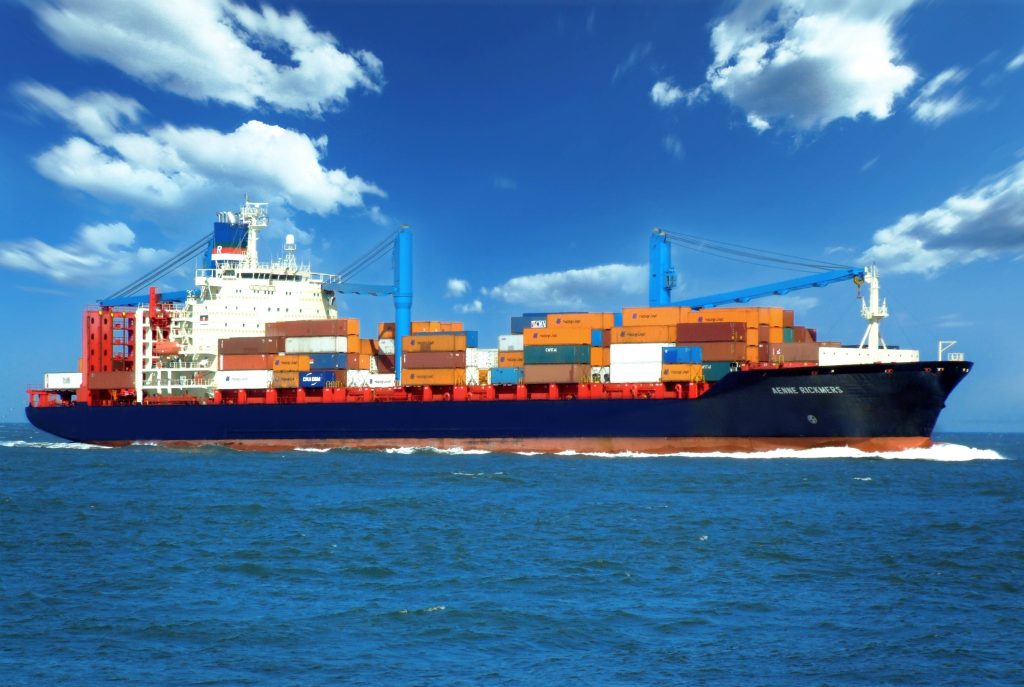
Shipping hazardous cargo from China is a highly regulated process that requires strict compliance, technical knowledge, and experienced logistics coordination. For global importers dealing with chemicals, batteries, industrial materials, or other dangerous goods, choosing professional China hazardous cargo shipping services is essential to ensure safety, legality, and timely delivery.
Unlike normal cargo, hazardous goods cannot be handled through standard logistics channels. They must follow international regulations such as IATA for air transport and IMDG Code for sea freight. This makes working with an experienced freight forwarder not just helpful, but necessary.
What Is Hazardous Cargo?
Hazardous cargo refers to materials that may pose risks during transportation due to their chemical, physical, or reactive properties.
Common examples include:
- Industrial chemicals and solvents
- Lithium batteries and battery packs
- Flammable liquids and gases
- Corrosive substances
- Toxic materials
- Aerosols and pressurized containers
Each type is classified under a specific UN number and hazard class, which determines how it must be packaged and transported.
Why Hazardous Cargo Shipping Requires Experts
Handling dangerous goods is not simply about booking a shipment. It involves strict safety procedures and regulatory compliance at every stage.
Without professional support, importers may face:
- Shipment rejection by airlines or shipping lines
- Customs delays due to incorrect documentation
- Safety risks caused by improper packaging
- Heavy fines or regulatory penalties
- Delays in production or supply chains
A professional freight forwarder ensures all requirements are met before cargo leaves the factory.
Key Services in Hazardous Cargo Shipping from China
A reliable China hazardous cargo shipping provider offers end-to-end logistics support designed specifically for DG shipments.
DG Classification and Compliance Check
Before shipping, the cargo must be correctly classified based on international standards. This includes:
- Identifying UN numbers
- Determining hazard classes
- Checking shipping restrictions
- Evaluating transport feasibility
This step ensures the cargo can be legally transported.
Certified Packaging Solutions
Hazardous goods must be packed using approved materials that meet international safety standards.
Common packaging includes:
- UN-certified containers
- Leak-proof inner packaging
- Reinforced outer cartons or drums
- Shock and vibration protection
- Temperature-controlled packaging (if required)
Proper packaging reduces risks during handling and transport.
Documentation and Labeling
Accurate paperwork is critical for DG shipments.
Typical documents include:
- Safety Data Sheet (MSDS)
- Dangerous Goods Declaration (DGD)
- Commercial invoice and packing list
- UN specification labels
- Emergency contact information
Incorrect documentation is one of the most common causes of shipment delays.
Air and Sea Freight Arrangement
Professional freight forwarders arrange both air and sea transport based on cargo type and urgency.
Air freight is suitable for:
- Small battery shipments
- Urgent chemical samples
- High-value DG cargo
Sea freight is suitable for:
- Bulk chemicals
- Industrial materials
- Large battery systems
Each mode must comply with strict safety regulations.
Customs Clearance Support
Hazardous cargo requires careful customs handling in both export and import countries.
Freight forwarders assist with:
- Export declarations in China
- DG compliance verification
- Import customs procedures
- Duty and tax guidance
This helps avoid unnecessary delays at ports or airports.
Challenges in Hazardous Cargo Shipping
Shipping dangerous goods internationally comes with several challenges:
Strict Carrier Restrictions
Not all airlines or shipping lines accept hazardous cargo.
Complex Regulations
Different countries may have additional import restrictions.
High Documentation Accuracy Requirements
Even small errors can result in shipment rejection.
Limited Shipping Routes
Some hazardous materials are restricted on certain routes or carriers.
These challenges make professional logistics support essential.
Benefits of Using a Professional DG Freight Forwarder
Working with an experienced hazardous cargo shipping provider offers major advantages:
Safety Assurance
Proper handling reduces the risk of accidents or leakage.
Regulatory Compliance
Ensures all shipments meet international standards.
Cost Efficiency
Avoids fines, delays, and rejected shipments.
End-to-End Management
From factory pickup to final delivery, everything is coordinated.
Better Shipping Options
Access to DG-approved carriers and optimized routes.
Industries That Rely on Hazardous Cargo Shipping
Many industries depend on safe and compliant DG logistics:
- Chemical manufacturing
- Electronics and battery production
- Automotive and energy storage
- Pharmaceutical and laboratory sectors
- Industrial production and coatings
Each industry requires tailored shipping solutions.
How to Choose the Right China Hazardous Cargo Shipping Partner
When selecting a freight forwarder, consider the following:
DG Certification Experience
Ensure they have proven experience handling hazardous materials.
Strong Carrier Network
Access to approved airlines and shipping lines is essential.
Packaging Capability
Ability to provide or verify UN-certified packaging.
Regulatory Knowledge
Understanding of IATA and IMDG regulations is critical.
Communication and Tracking
Real-time updates help ensure shipment transparency.
Conclusion
Professional China hazardous cargo shipping services are essential for safely transporting dangerous goods across international borders. From classification and packaging to documentation and customs clearance, every step must be handled with precision and compliance.
By working with an experienced freight forwarder, importers can reduce risks, ensure regulatory compliance, and achieve smooth, efficient global transportation of hazardous materials from China to worldwide destinations.