

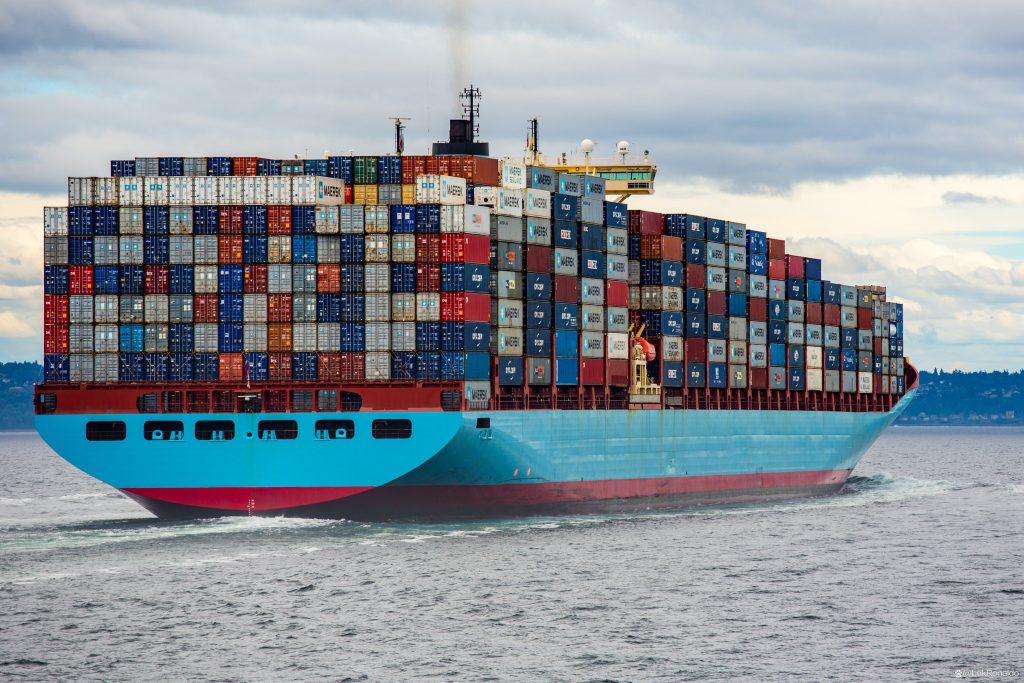
Importing goods from China can significantly boost your business margins, but navigating the complexities of international logistics is often a daunting task for beginners. From customs clearance and warehousing to choosing the right shipping routes, a single mistake can lead to costly delays or lost cargo.
That is where a China freight forwarder comes in. A reliable shipping partner acts as your boots on the ground, ensuring your supply chain runs smoothly. But with thousands of logistics companies in China, how do you separate the professionals from the scammers?
This ultimate guide breaks down everything a beginner needs to know to choose a trustworthy logistics partner.
1. Understand What a Freight Forwarder Actually Does
Before you start searching, it is crucial to understand that a freight forwarder does not actually move the cargo themselves. Instead, they act as an intermediary between you (the importer) and various transportation services—such as ocean lines, air cargo carriers, and trucking companies.
A professional China freight forwarder handles:
- Customs Brokerage: Managing export documentation in China and import clearance in your destination country.
- Warehousing & Consolidation: Storing goods and combining multiple supplier orders into one shipment.
- Cargo Insurance: Protecting your investment against loss or damage during transit.
2. Key Criteria for Evaluating a Shipping Agent
When vetting potential logistics partners, do not just look at the lowest price. Consider these essential factors:
Look for Specific Route and Product Expertise
Not all forwarders are created equal. A company that excels at shipping heavy machinery to Europe might struggle with small e-commerce parcels heading to Amazon FBA warehouses in the US. Ask if they have established channels for your specific destination country and experience handling your type of product (especially if you deal with sensitive items like electronics or batteries).
Verify Legal Credentials and Licenses
A legitimate Chinese freight forwarder should be registered with the Ministry of Commerce of China and hold a NVOCC (Non-Vessel Operating Common Carrier) license or be a member of international networks like WCA (World Cargo Alliance). This ensures they adhere to strict industry standards and financial stability.
Evaluate Communication and Responsiveness
In logistics, time is money. Choose a forwarder that offers clear, fluent English communication and responds promptly. A great forwarder will proactively update you on shipping delays, port congestion, or policy changes rather than waiting for you to ask.
3. Red Flags to Avoid
Be on high alert if a freight forwarder exhibits any of the following behavior:
- Quotes that are “Too Good to Be True”: Extremely low freight rates often come with hidden destination fees or poor service.
- Lack of a Physical Address: Ensure they have verifiable offices or warehouses in major logistics hubs like Shenzhen, Guangzhou, or Ningbo.
- Vague Communication: If they cannot explain their tracking process or customs procedures clearly, look elsewhere.
Conclusion
Choosing the right China freight forwarder is one of the most critical business decisions you will make for your import venture. By prioritizing expertise, transparent communication, and proper credentials over the absolute lowest price, you will build a resilient supply chain that supports your business growth for years to come.
Frequently Asked Questions (FAQ)
Q1: What is the difference between a freight forwarder and a sourcing agent?
A sourcing agent helps you find suppliers, negotiate product prices, and manage quality control in China. A freight forwarder, on the other hand, strictly handles the logistics, shipping, and customs clearance of those goods from the factory to your doorstep.
Q2: Should I let my Chinese supplier handle the shipping?
While letting suppliers arrange shipping (usually under CIF or CFR terms) seems easier for beginners, it is often not recommended. Suppliers frequently use cheap local forwarders who inflate destination fees, leaving you with unexpected bills at the port. Controlling your own logistics via a nominated forwarder gives you full visibility over costs and timelines.
Q3: What documents do I need to prepare for importing from China?
Your freight forwarder will guide you, but the standard mandatory documents include the Commercial Invoice, Packing List, Bill of Lading (B/L) or Air Waybill (AWB), and a Certificate of Origin (if applicable for tariff reductions).
Q4: How do I track my shipment once it leaves China?
Reliable forwarders provide an online tracking number or portal linked to the container number or master air waybill. Additionally, your dedicated account manager should provide regular status reports weekly (for sea freight) or daily (for air freight).