

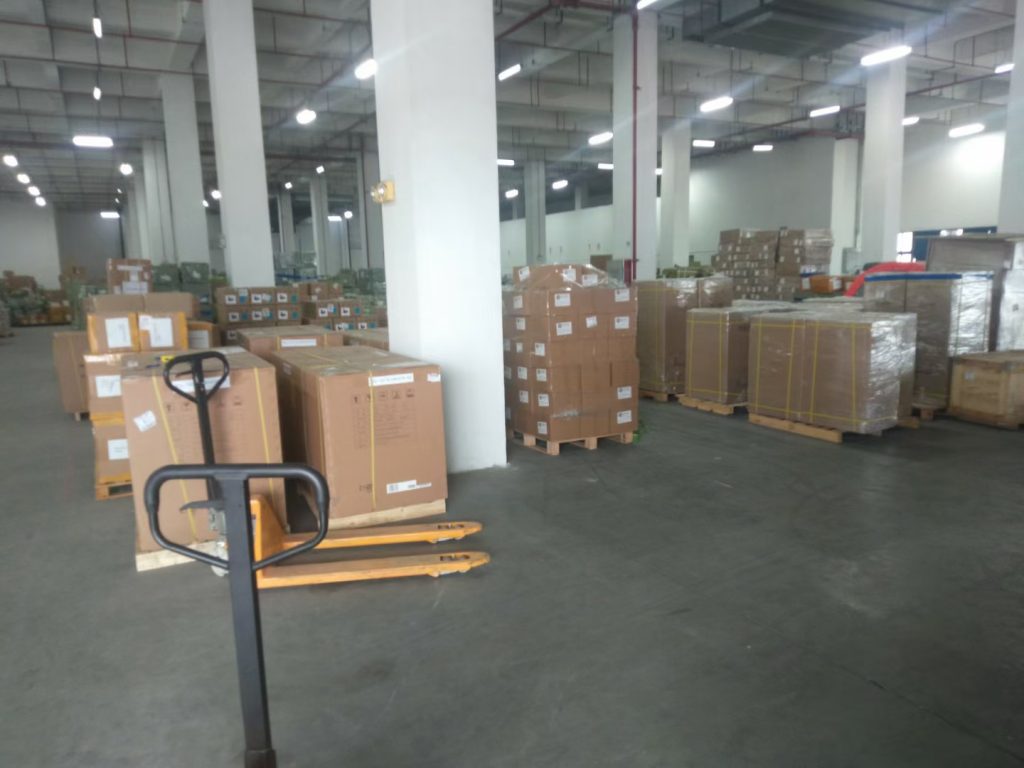
In international logistics, many everyday products are not classified as ordinary cargo. Items like lithium-ion batteries, liquid foundations, perfumes, and even certain hair dyes are legally categorized as Dangerous Goods (DG) or Hazardous Materials (Hazmat).
Because these products pose potential fire, leakage, or chemical risks during transit, international aviation bodies (IATA) and maritime organizations (IMDG) regulate them under strict protocols.
If you are importing electronics, beauty products, or liquids, misclassifying your cargo can lead to severe penalties, destroyed inventory, or permanent carrier blacklisting. Here is the ultimate guide to safely and legally shipping dangerous goods from China.
1. What Exactly Counts as “Dangerous Goods”?
Many importers are surprised to learn that their retail products fall into hazard classes. In the global B2B trade, the three most common “sensitive” categories from China include:
Lithium Batteries (Class 9 – Miscellaneous)
Whether they are standalone power banks (UN3480) or built-in cells inside laptops, drones, and e-bikes (UN3481), lithium batteries are highly volatile. Under recent transport updates, strict safety thresholds are enforced:
- The 30% SoC Law: For air freight, standalone lithium batteries must be shipped at a State of Charge (SoC) of 30% or less to minimize the risk of thermal runaway.
Cosmetics & Perfumes (Class 3 – Flammable Liquids)
Perfumes, nail polishes, and alcohol-based hand sanitizers contain volatile solvents like ethanol or acetone. Because they have low flashpoints, they are classified as flammable liquids and cannot be thrown into a standard shipping container without special declaration.
Liquids, Creams, and Powders (Non-DG but Sensitive)
Even if a liquid cream (like liquid foundation or lotion) is not chemically hazardous, customs bureaus and airlines view unexplained liquids and powders with high suspicion. They require rigorous third-party lab testing before being allowed on a flight or vessel.
2. The Golden Triangle of DG Shipping Documentation
To clear China export customs and satisfy global carriers, your Chinese factory and freight forwarder must provide three non-negotiable documents:
- 1. MSDS / SDS (Material Safety Data Sheet): Think of this as the product’s chemical passport. It outlines the exact ingredients, potential hazards, handling instructions, and fire-fighting measures. It must be updated to align with current international safety editions.
- 2. UN38.3 Test Report & Summary: Exclusively for products containing lithium batteries. This certified lab report proves the battery has passed safety stress tests (vibration, impact, thermal shock, short-circuit).
- 3. UN Specification Packaging Certificate: Dangerous goods must be packed in UN-approved boxes (e.g., 4G fiberboard boxes) featuring explicit hazard diamond labels and identification marks that state exactly how much physical weight or pressure the carton can handle.
3. Best Shipping Modes for Hazmat Cargo
Air Freight vs. Ocean Freight
- Air Freight (Fast but Restrictive): Ideal for smaller, high-value electronics or premium cosmetics batches. However, airlines completely ban certain dangerous goods on passenger planes, forcing you to use dedicated cargo aircraft (CAO), which comes with high surcharges.
- Ocean Freight (Cheaper for Bulk): The go-to method for large volumes of batteries or liquids. For volatile chemical items, freight forwarders often utilize reefer (refrigerated) containers to keep temperatures stabilized between 15°C to 25°C throughout the voyage.
Conclusion
Shipping sensitive and dangerous goods from China does not have to be an operational nightmare. The key is total transparency. Never attempt to hide batteries or liquids inside a “general cargo” description to save a few dollars. Instead, partner with a specialized China freight forwarder who holds certified danger-goods training credentials and possesses dedicated customs clearance channels to ensure your cargo arrives safely and fully legally.
Frequently Asked Questions (FAQ)
Q1: Can I ship electronics with built-in batteries via standard e-packet or express?
It depends on how the battery is integrated. Batteries securely installed inside equipment (UN3481/UN3091) are subject to much more relaxed rules than standalone batteries (UN3480/UN3090). Many courier networks (like DHL or FedEx) will accept electronics with built-in batteries under “Section II” exception rules, provided the package features a proper Lithium Battery Handling Label.
Q2: Why is the shipping rate for dangerous goods so much higher than general cargo?
Carriers impose significant “Hazmat surcharges” because dangerous goods require specialized warehouse storage zones, strict manual document audits by certified personnel, priority space allocation on cargo-only vessels, and special tracking protocols. Insurance premiums for these shipments are also inherently higher.
Q3: What happens if my factory cannot provide an MSDS or a UN box?
If your supplier cannot provide an MSDS, you must send a product sample to an accredited testing laboratory in China (such as Shanghai chemical institutes or certified commercial labs) to generate a valid report, which takes about 5 to 7 days. If they lack UN-specification packaging, a professional DG freight forwarder can pull your cargo into their specialized Shenzhen or Guangzhou warehouse and repack it into compliant UN boxes on your behalf.
Q4: Are there any specific labels that must be affixed to the outer box?
Yes. Every dangerous goods carton must display clear, smudge-proof vinyl labels. For example, a battery shipment requires a Class 9 Hazard Diamond Label and a Lithium Battery Handling Label that includes a 24-hour emergency phone number. For liquid cargo, “This Way Up” orientation arrows are mandatory on two opposing sides of the box.