

For many international buyers, sourcing high-quality products from China is only half the battle. The real challenge begins when your goods leave the factory floor and head toward the border. Navigating Chinese export customs clearance can seem like an intimidating maze of regulations, commodity codes, and legal documentation.
A mistake during the export phase can lead to customs detentions, missed shipping vessels, and unexpected storage fees.
To help you seamlessly move your cargo across the border, this comprehensive guide breaks down the China export customs clearance process into a clear, step-by-step roadmap.
The Step-by-Step China Export Customs Process
Export clearance is the legal process required by China Customs (GACC – General Administration of Customs) to ensure that outbound goods are legally compliant, properly taxed or refunded, and accurately declared. Here is how the workflow typically unfolds:
Step 1: Document Preparation (The Foundation)
Before your cargo even arrives at the port or warehouse, your supplier and freight forwarder must compile a standard set of documents. As a buyer, you must ensure your supplier provides accurate data, as discrepancies are the number one cause of customs delays.
Step 2: Determining the HS Code and Commodity Inspection
Every product has a specific HS Code (Harmonized System Code). China Customs uses this 10-digit code to determine tariff rates, export tax rebates, and whether the item requires a mandatory Commodity Inspection (商检 – Shangjian). Products like machinery, electronics, and medical supplies often require this quality and safety check before they are cleared for export.
Step 3: Inland Transit and Port Entry
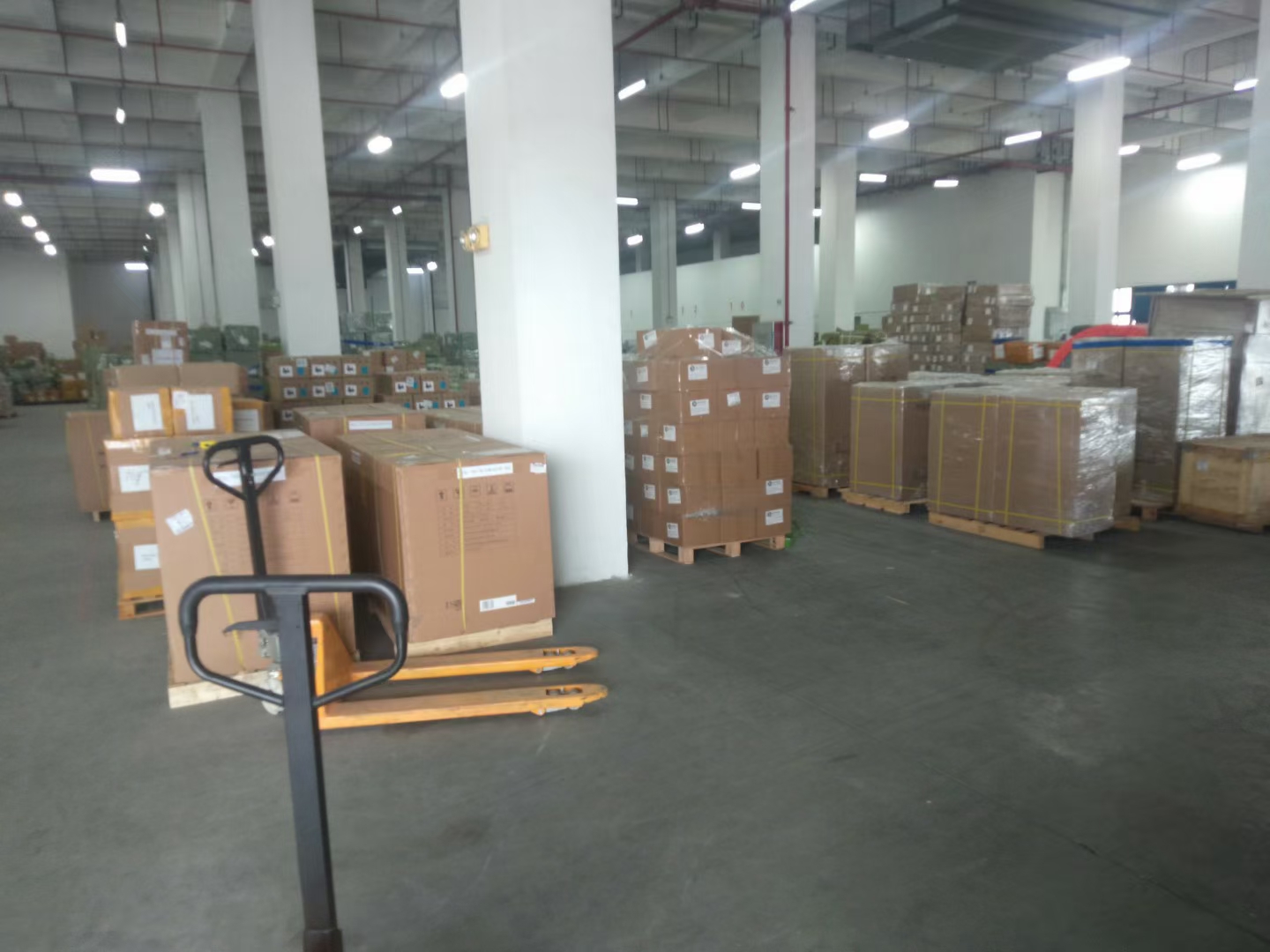
Your freight forwarder arranges for a local trucking company to pick up the cargo from the factory and transport it to a bonded customs warehouse or the port terminal (such as Shenzhen Yantian, Ningbo, or Shanghai). Once the container enters the terminal, the terminal operating system generates a “Gate-in Receipt,” proving the goods are ready for declaration.
Step 4: Customs Declaration Submission
Your nominated customs broker or freight forwarder electronically submits the Customs Declaration Form (报关单) to the China Customs network. This system automatically screens the data. If everything aligns with standard risk parameters, the system may grant automatic release within minutes.
Step 5: Cargo Inspection (Random or Targeted)
If the customs system flags the shipment, or if your product category falls under a high-risk bracket, China Customs will execute a physical inspection. Customs officers will check if the actual goods, quantities, and branding match the submitted documents.
Step 6: Release and Loading
Once the cargo passes inspection (or skips it via green-channel release), customs issues a formal “Release Order” (放行条). The shipping line or airline is then legally permitted to load your container onto the vessel for international transit.
3 Essential Documents Every Buyer Must Know
While your freight forwarder handles the logistics, you should familiarize yourself with these three vital documents:
- Commercial Invoice: Details the buyer, seller, transaction value, and product descriptions.
- Packing List: Specifies the exact weight, dimensions, packaging types, and carton count of the shipment.
- Export License (出口许可证): In China, factories must possess an export license to legally ship goods abroad. If your factory does not have one, your freight forwarder must buy an export declaration title through a licensed trading agent (often referred to as “Buying Declaration” or 买单报关).
Conclusion
While China’s export customs clearance involves rigid legal procedures, it does not have to be a headache for international buyers. The key to a smooth border crossing lies in accurate documentation and close collaboration with an experienced China freight forwarder. By ensuring your HS codes match your actual cargo and using licensed customs brokers, you can keep your supply chain moving efficiently and avoid costly port delays.
Frequently Asked Questions (FAQ)
Q1: What happens if China Customs inspects my shipment? Will it be delayed?
A standard customs inspection usually takes 1 to 3 business days, depending on the port’s workload and whether the cargo is LCL (shared container) or FCL (full container). If your paperwork perfectly matches the physical goods, the cargo will be released immediately after inspection with no penalties.
Q2: My Chinese supplier says they don’t have an export license. Can I still ship the goods?
Yes. Many small workshops or specialized factories in China do not hold independent export licenses. In this scenario, your freight forwarder will utilize an industry-standard method called “Buying Declaration” (买单报关). The forwarder partners with a licensed export trading enterprise to handle the legal paperwork on behalf of the factory, allowing your goods to clear customs completely legally.
Q3: What is a China Export Tax Rebate, and does it affect me?
The Chinese government rewards manufacturers by refunding a percentage of the Value Added Tax (VAT) on exported goods (ranging from 0% to 13%). To claim this rebate, the shipment must be declared under the supplier’s own export license. If you negotiate prices under FOB terms, the supplier usually factors this tax rebate into their pricing to give you a better deal.
Q4: How can I avoid customs issues when exporting branded products or replicas?
China Customs takes Intellectual Property Rights (IPR) extremely seriously. If you are manufacturing products featuring registered logos, trademarks, or patented designs (even if you own the brand globally), you must provide your forwarder with a formal Authorization Letter (授权书) from the brand owner. Shipping counterfeit or unauthorized replica goods will lead to immediate cargo seizure and heavy legal fines.