

When expanding a global business, sourcing from multiple suppliers in China is a smart strategy to diversify your product line and find the best prices. You might buy custom packaging from a factory in Dongguan, electronics from Shenzhen, and promotional accessories from Ningbo.
However, managing the logistics for several individual shipments can quickly become a financial and operational nightmare. Shipping five small packages separately results in five sets of international freight charges, five customs clearance fees, and five local delivery bills.
This is where a China warehouse consolidation service becomes a game-changer. By partnering with a freight forwarder that operates its own consolidation hubs, you can merge multiple orders into a single, cost-effective shipment while gaining full control over quality before the goods ever leave China.
What is Warehouse Consolidation?
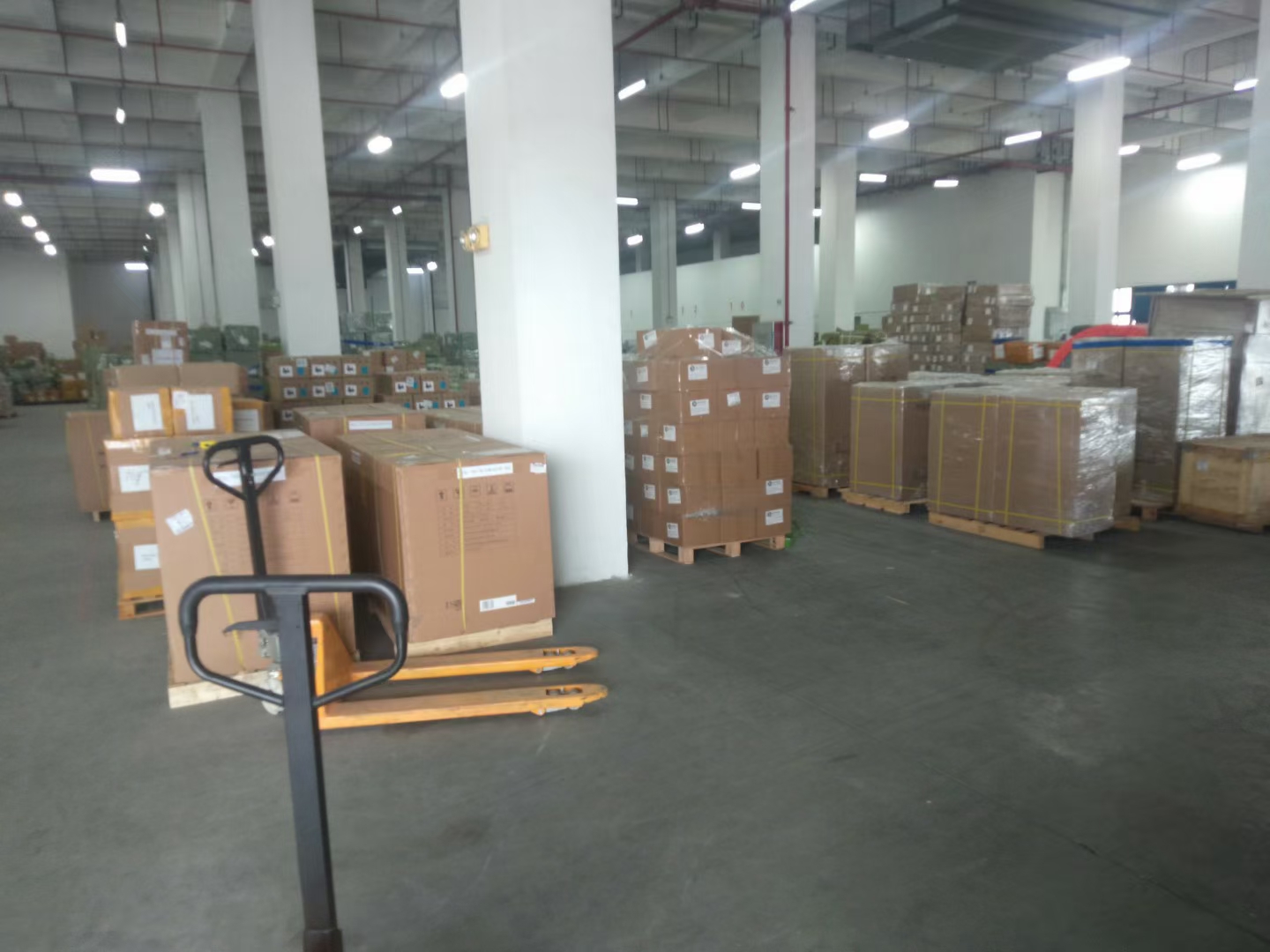
Warehouse consolidation is a logistics process where a freight forwarder acts as your centralized hub in China. Instead of having each manufacturer ship directly to your country, all suppliers send their goods to your forwarder’s secure warehouse (typically located in major logistics gateways like Shenzhen, Guangzhou, Yiwu, or Shanghai).
Once all your orders arrive, the forwarder unboxes, inspects, reorganizes, and packs them tightly into a single unified shipment—either via a shared container (LCL), a full container (FCL), or a single consolidated Air Freight batch.
4 Major Benefits of Using a Consolidation Hub in China
1. Massive Cost Savings
International shipping routes charge heavy baseline fees for documentation and handling on every single shipment. By bundling five separate supplier orders into one, you pay these fixed costs only once. Consolidation can slash overall logistics costs by 30% to 50% compared to shipping multiple small parcels independently.
2. Complimentary Quality Control (Before Export)
The biggest risk in international trade is receiving a batch of defective or incorrectly branded products after waiting weeks for international transit. Once the goods cross the ocean, returning them to a Chinese factory is financially impossible.
A professional consolidation warehouse acts as your eyes on the ground. Staff can perform basic quality checks upon arrival, including:
- Checking box counts against the packing list.
- Inspecting outer cartons for water or impact damage.
- Taking high-resolution photos or videos of the physical products for your approval.
3. Customized Repackaging and Kitting
Many manufacturers only care about their specific product and will ship them in flimsy or oversized boxes. A forwarder can strip away unnecessary factory packaging, repack items into heavy-duty, space-optimized cartons, or bundle different products together into custom retail kits. If you are an Amazon seller, they can also apply your required FBA barcodes and carton labels.
4. Flexible Storage and Timing
Suppliers rarely finish manufacturing on the exact same day. A consolidation warehouse usually offers 14 to 30 days of free storage, allowing you to hold early-completed orders safely while waiting for the remaining factories to deliver their goods.
Conclusion
Managing a fragmented supply chain doesn’t have to drain your profits or cause endless tracking headaches. A reliable China warehouse consolidation service bridges the gap between scattered manufacturing and streamlined logistics. By centralizing your inventory, verifying quality at the source, and optimizing packaging volume, you build a resilient, cost-effective supply chain that scales seamlessly with your business growth.
Frequently Asked Questions (FAQ)
Q1: Is my data safe? Will my suppliers find out who my other manufacturers are?
Professional freight forwarders handle multi-supplier consolidation with strict confidentiality. When goods arrive at the warehouse, forwarders can strip the original factory shipping labels and repackage everything under your own company’s branding. This ensures your supply chain secrets and specific sourcing combinations remain completely private.
Q2: How long can a freight forwarder store my goods for free in China?
Most competitive China freight forwarders offer between 15 to 30 days of free storage in their consolidation warehouses. This provides an ample window to coordinate timelines among various suppliers. If an order faces unexpected production delays, extended storage can usually be arranged for a minimal daily fee per cubic meter (CBM).
Q3: What happens if the warehouse team finds damaged goods from a supplier?
If the warehouse staff detects damaged cartons, incorrect quantities, or defective items during the intake inspection, they will immediately halt the consolidation process for that batch. They will send you photo or video proof so you can contact the responsible factory right away. Because the goods are still inside China, arranging a local courier return or a factory replacement is quick, cheap, and simple.
Q4: Can I use consolidation for different types of shipping, like mixing Air and Sea?
Yes, warehouse consolidation is highly flexible. Once all your goods arrive at the warehouse, you can instruct your forwarder to split the inventory based on urgency. For example, you can take 10% of the stock from all suppliers and consolidate them into a fast Air Freight shipment to quickly fulfill backorders, while consolidating the remaining 90% into an economical Sea Freight container for standard inventory replenishment.