

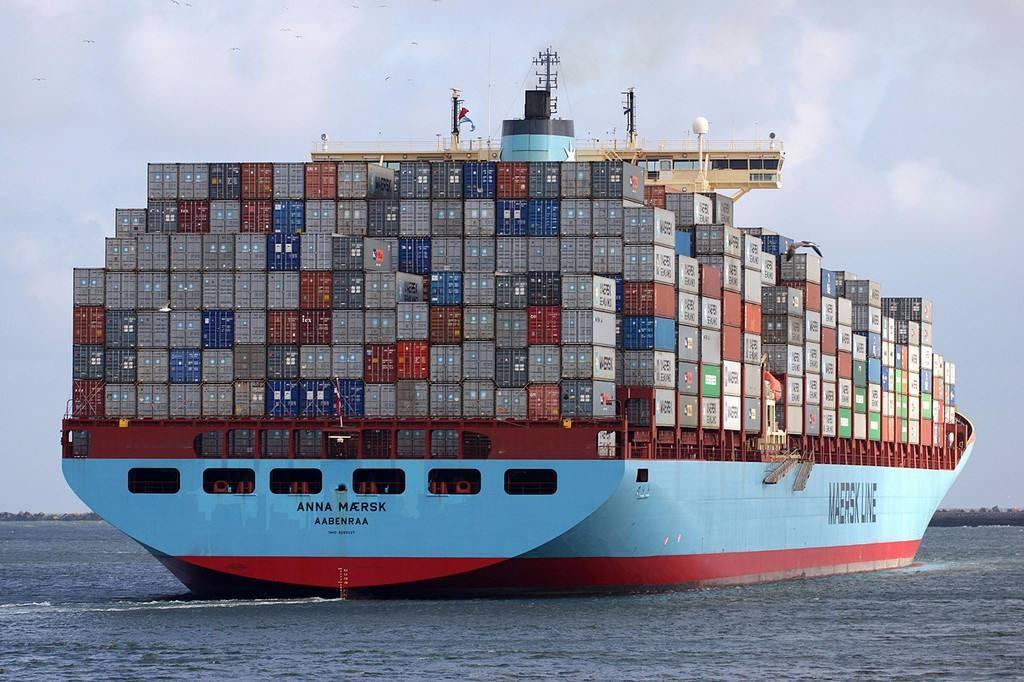
In the world of international logistics, businesses importing goods from China to Europe have traditionally faced a rigid compromise: choose Sea Freight for its low cost but endure a grueling 30 to 45-day transit time, or choose Air Freight for speed but sacrifice a massive chunk of profit margins to skyrocketing air tariffs.
However, since the launch of the China-Europe Railway Express (中欧班列) under the Belt and Road Initiative, global supply chains have unlocked a powerful “middle-ground” solution.
As geopolitical tensions and port congestions frequently disrupt ocean shipping lanes, rail freight has emerged as a highly reliable, cost-effective, and eco-friendly alternative. Here is a deep dive into how the China-Europe Railway Express works and why it might be the perfect fit for your business.
1. The “Sweet Spot” of Modern Logistics: Speed vs. Cost
The primary appeal of rail freight from China to Europe lies in its incredible balance of efficiency and economy. It effectively bridges the massive gap between air and ocean logistics:
- Faster than Sea: A standard container ship traveling from Chinese ports to Europe takes roughly 35 to 45 days (and even longer if routing around the Cape of Good Hope). The China-Europe Railway Express slashes this transit time down to 15 to 22 days station-to-station.
- Cheaper than Air: While air freight provides sub-week delivery, its chargeable weight pricing models make it financially unviable for heavy or bulky items. Rail freight costs up to 60% to 70% less than air freight, allowing you to move heavy machinery, auto parts, and bulk consumer goods at a fraction of the cost.
2. Key Rail Freight Routes Connecting China and Europe
The China-Europe rail network handles thousands of trains annually, primarily utilizing three massive logistics corridors:
- The Northern Corridor: Originating from northern and eastern China (e.g., Yiwu, Changsha, Chengdu), passing through Mongolia and Russia, and entering Europe via Belarus and Poland (Malaszewicze). This is the traditional route driving bulk e-commerce trade.
- The Middle Corridor (Trans-Caspian Route): Gaining massive popularity as a reliable alternative that bypasses certain regions. It traverses Kazakhstan, crosses the Caspian Sea via rail ferries, and enters Europe through Azerbaijan, Georgia, and Turkey or Romania.
- Major Destination Hubs: Once trains cross the European border, cargo is distributed via dense rail and trucking networks to major intermodal hubs like Duisburg and Hamburg (Germany), Łódź (Poland), Liege (Belgium), and Lyon (France).
3. Environmental Sustainability: A Growing B2B Priority
In 2026, corporate sustainability and ESG (Environmental, Social, and Governance) compliance are no longer optional. European buyers are actively auditing their carbon footprints.
Rail freight is one of the greenest modes of long-distance transport available. Shipping goods via the China-Europe Railway Express emits roughly 90% less CO₂ than traditional air freight and operates with significantly lower energy-per-ton consumption compared to long-haul ocean voyages. Utilizing rail allows European importers to significantly lower their corporate carbon index without compromising inventory velocities.
Conclusion
The China-Europe Railway Express is no longer just an experimental backup plan; it is a mature, structural pillar of global B2B trade. By offering predictable transit times, immense cost savings compared to air, and an immune response to maritime port strikes or carrier capacity shortages, rail freight gives European importers a massive competitive edge. To leverage this channel, partner with an experienced China freight forwarder who understands cross-border rail customs clearance and holds guaranteed slot allocations on the weekly express trains.
Frequently Asked Questions (FAQ)
Q1: Can I ship less than a full container (LCL) via rail freight?
Yes, absolutely. Just like sea freight, rail logistics supports both FCL (Full Container Load) and LCL (Less than Container Load /拼箱) options. If you only have a few pallets or cubic meters of cargo, your freight forwarder can easily consolidate your goods into a shared container with other European buyers at major rail hubs like Chengdu, Chongqing, or Xian.
Q2: What is “Rail DDP” and how does it work for Amazon sellers?
Rail DDP (Delivered Duty Paid) is a highly popular, specialized door-to-door service. Your China freight forwarder takes care of everything: picking up the goods from the factory, loading the train, handling customs clearance at the European border (usually in Poland or Germany), paying all import VAT and tariffs, and using local couriers (like UPS, DPD, or DHL) to deliver the boxes directly to your warehouse or Amazon FBA center.
Q3: How do freezing winter temperatures affect rail shipments across Central Asia?
Temperatures along the northern rail corridors can drop well below freezing during winter. If you are shipping climate-sensitive cargo—such as certain liquids, cosmetics, electronic components, or wine—standard containers may pose a freezing risk. To counter this, professional forwarders utilize specialized Reefer (Refrigerated/Thermal) Containers that actively regulate internal temperatures throughout the cross-continental journey.
Q4: Are there any items that are strictly banned from the China-Europe Railway?
Yes. International rail treaties impose strict safety guidelines. Items completely banned from the China-Europe Railway Express include pure hazardous chemicals, fireworks, weapons, and large standalone lithium batteries (such as large industrial power banks). However, consumer electronics with built-in or integrated batteries (like laptops and smartphones) are generally accepted, provided they carry proper MSDS documentation and compliant safety packaging.