

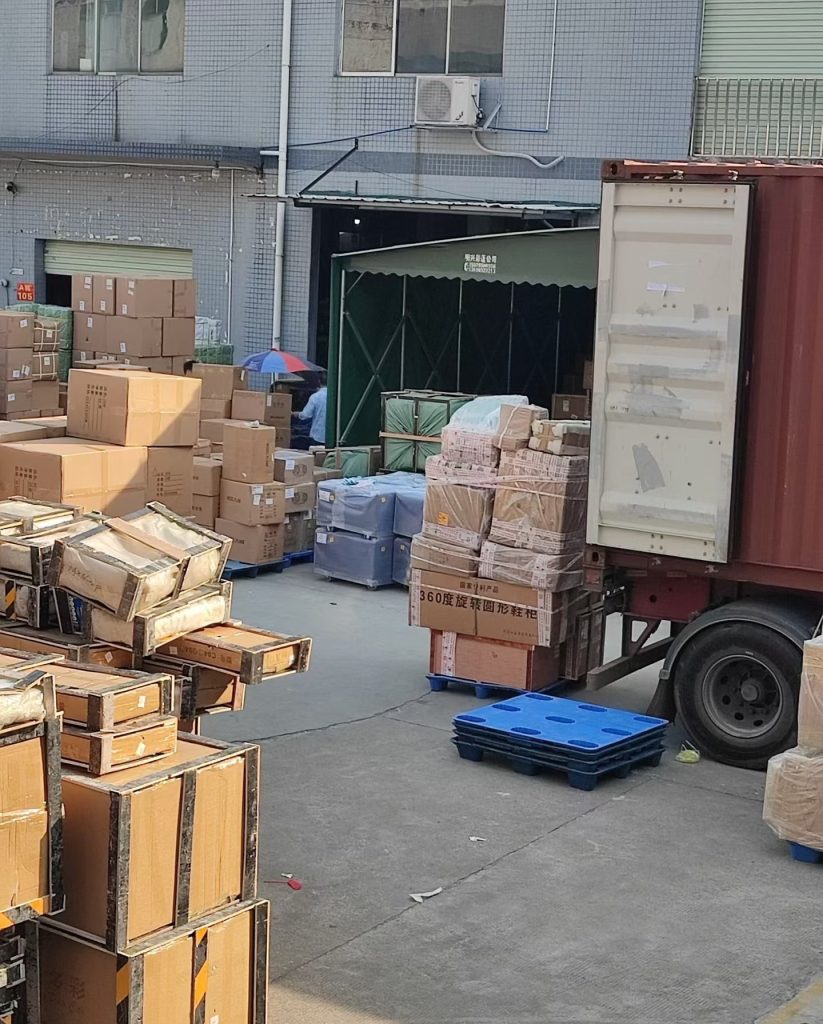
Air freight from China is an important logistics option for importers who need faster delivery than ocean freight can normally provide. It is commonly used for samples, urgent orders, high-value products, spare parts, electronics, fashion products and time-sensitive inventory.
However, choosing an air freight forwarder should not be based only on the lowest price per kilogram. The actual cost can depend on chargeable weight, cargo dimensions, origin pickup, airport handling, customs clearance, destination charges, fuel surcharges and final delivery.
A reliable air freight forwarder should be able to explain the complete shipping process, calculate the chargeable weight correctly, identify documentation requirements and provide realistic transit-time information.
This guide explains how air freight from China works and how importers can choose a suitable freight forwarder.
1. What Is Air Freight from China?
Air freight is the transportation of commercial cargo from China to an overseas destination by aircraft.
The basic process is:
Supplier → Pickup → China warehouse → Export customs → Airport → Flight → Destination airport → Import customs → Local delivery
Depending on the service, a freight forwarder may coordinate some or all of these stages.
Air freight can be arranged from major Chinese airports, including airports serving major manufacturing and commercial regions.
The appropriate airport depends on:
- Supplier location
- Cargo characteristics
- Destination
- Airline availability
- Flight schedule
- Freight rate
- Required transit time
2. When Should You Choose Air Freight?
Air freight is generally appropriate when delivery speed is important.
Common situations include:
Urgent Orders
If a buyer has an unexpected inventory shortage, air freight can provide faster replenishment than ocean freight.
Product Samples
Companies sourcing products from China may use air freight to receive samples before placing larger orders.
High-Value Products
For some high-value products, shorter transportation time and reduced inventory-in-transit periods can justify the higher freight cost.
Small Shipments
Small commercial shipments may be more practical by air than by sea when the total logistics cost and handling requirements are considered.
Time-Sensitive Products
Fashion products, promotional materials, replacement parts and seasonal inventory may require faster transportation.
However, air freight is not automatically the best option for every shipment.
3. How Air Freight Costs Are Calculated
Air freight pricing is more complicated than simply multiplying kilograms by a rate.
The final price can depend on:
- Actual weight
- Volumetric weight
- Chargeable weight
- Origin airport
- Destination airport
- Airline
- Service level
- Fuel surcharge
- Security surcharge
- Handling fees
- Customs services
- Delivery requirements
The most important concept for many air shipments is chargeable weight.
4. What Is Chargeable Weight?
Chargeable weight is the weight used by the carrier or logistics provider to calculate the freight charge according to the applicable pricing rules.
For air freight, the carrier may compare:
Actual gross weight
with
Volumetric weight
The applicable chargeable weight is determined according to the carrier’s rules.
This means a shipment weighing 50 kg does not necessarily have a chargeable weight of 50 kg.
If the cargo occupies a large amount of aircraft space, volumetric weight may be higher.
5. Understanding Volumetric Weight
Volumetric weight reflects the amount of space cargo occupies.
A commonly used air freight volumetric calculation is:
Length × Width × Height in centimeters ÷ 6000
However, the divisor can vary by carrier, service and transportation arrangement.
For example, suppose you have one carton measuring:
50 × 40 × 40 cm
Using a divisor of 6000:
50 × 40 × 40 ÷ 6000 = approximately 13.33 kg
If the actual gross weight is 10 kg, the carrier may use the applicable volumetric weight under its pricing rules.
Therefore, importers should always ask the freight forwarder which volumetric factor applies to the quoted service.
6. Why Accurate Dimensions Are Important
Incorrect dimensions can cause significant quotation differences.
Suppose a buyer tells the freight forwarder:
“The shipment is about 100 kg.”
But the cargo consists of large lightweight cartons.
The forwarder may initially provide a quotation based on incomplete information.
After the cargo arrives at the warehouse, the actual dimensions are measured and the chargeable weight is recalculated.
The final cost may therefore be higher.
To avoid this problem, provide:
- Number of cartons
- Length
- Width
- Height
- Gross weight
- Product type
Whenever possible, use final packed dimensions instead of estimated measurements.
7. Air Freight Cost Components
An air freight quotation may contain several charges.
International Air Freight
This is the primary transportation cost between the origin and destination airports.
Pickup
The forwarder may arrange transportation from the supplier to the warehouse or airport.
Warehouse Handling
Possible services include:
- Receiving
- Weighing
- Measuring
- Sorting
- Labeling
- Consolidation
Export Customs
The shipment may require export declaration and documentation.
Airport Handling
Origin airport charges may apply.
Documentation
Some shipments include documentation charges separately.
Destination Charges
These may include:
- Airport handling
- Customs clearance
- Local transportation
- Warehouse fees
Duties and Taxes
These depend on the destination country and shipping arrangement.
8. How to Request an Accurate Air Freight Quotation
A good quotation request should include complete cargo information.
For example:
Product: Footwear
Quantity: 500 pairs
Cartons: 20
Carton size: 60 × 40 × 40 cm
Gross weight: 150 kg
Origin: Guangzhou, China
Destination: London, UK
Service: Airport-to-door
Cargo: General commercial goods
The forwarder can then calculate the estimated chargeable weight and provide an appropriate service option.
9. Air Freight vs. Express Delivery
Air freight and express delivery are not exactly the same.
Express services are generally designed for smaller parcels and may provide:
- Door-to-door delivery
- Integrated customs procedures
- Simple tracking
- Standardized service
Air freight forwarding can be more flexible for larger commercial shipments.
It may allow importers to choose:
- Airline
- Airport
- Service level
- Customs broker
- Local delivery method
The best option depends on shipment size, destination and service requirements.
10. Direct Flights vs. Connecting Flights
Air freight may be transported through a direct flight or one or more connecting points.
Direct Service
A direct service can reduce the number of handling stages and may provide a shorter transit time.
Connecting Service
A connecting service may be less expensive or more widely available, depending on the route.
The buyer should ask:
- Is the flight direct?
- Is transshipment required?
- Where does the cargo transfer?
- What is the estimated transit time?
- How frequently does the service operate?
Do not assume that the fastest-looking route on paper will always have the shortest total delivery time.
11. Transit Time for Air Freight
Air freight is faster than sea freight in many cases, but the aircraft flight itself is only one part of the logistics process.
Total delivery time can include:
- Supplier preparation
- Factory pickup
- Warehouse receiving
- Cargo measurement
- Export customs
- Airport handling
- Flight
- Destination handling
- Import customs
- Final delivery
Therefore, when comparing freight forwarders, ask for the estimated door-to-door transit time if you need delivery to your warehouse.
12. Customs Clearance for Air Freight
Customs clearance is an important part of international air freight.
The customs authorities may review:
- Product description
- HS classification
- Commercial value
- Country of origin
- Import documents
- Product compliance
Common documents can include:
- Commercial invoice
- Packing list
- Air waybill
- Customs declaration information
- Certificate of origin where applicable
- Product certificates where required
The exact requirements vary by destination and product.
13. Why Product Description Matters
A vague product description can create customs problems.
For example:
“Accessories”
may not provide enough information.
A more specific description could identify:
- What the product is
- What material it is made from
- Its intended use
- Quantity
- Commercial value
The description must be truthful and consistent with the actual goods.
Never ask a freight forwarder to declare a different product simply to reduce customs duties or avoid regulations.
14. Air Freight for Batteries and Special Cargo
Not all cargo can be shipped as ordinary air freight.
Additional requirements may apply to:
- Lithium batteries
- Dangerous goods
- Chemicals
- Liquids
- Aerosols
- Certain electronics
- Medical products
- Magnetic materials
For regulated cargo, airlines may require specific documents, packaging, labels or testing information.
Tell the freight forwarder about the actual product before booking.
For batteries, useful information can include:
- Battery type
- Watt-hour rating where applicable
- Whether installed in equipment
- Whether packed separately
- Quantity
- Product specifications
- Available compliance documentation
The forwarder can then determine whether the shipment can be accepted and what requirements apply.
15. How to Choose a Reliable China Air Freight Forwarder
When comparing freight forwarders, consider more than the quoted rate.
Evaluate:
Route Experience
Does the forwarder regularly handle your destination?
Airline Resources
Can the company offer several airline or service options?
Customs Experience
Does the forwarder understand the destination’s import requirements?
Communication
Does the company respond clearly and quickly?
Tracking
Can you receive meaningful shipment updates?
Pricing Transparency
Are the charges clearly explained?
Special Cargo Capability
Can the forwarder handle your product type?
Destination Delivery
Can the forwarder arrange customs clearance and final delivery if required?
16. Why the Cheapest Air Freight Quote May Not Be the Best
Suppose three forwarders quote:
- Forwarder A: $3.50/kg
- Forwarder B: $4.00/kg
- Forwarder C: $4.30/kg
At first glance, Forwarder A appears to be the cheapest.
But the quotations may have different service scopes.
Forwarder A might exclude:
- Pickup
- Customs clearance
- Airport handling
- Destination charges
- Final delivery
Forwarder C might include most of these services.
Therefore, compare the total cost to your final destination, not just the per-kilogram rate.
17. What Is Door-to-Door Air Freight?
Door-to-door air freight means the forwarder coordinates the shipment from the supplier or pickup address to the buyer’s final delivery address.
A typical process is:
Factory → Pickup → China warehouse → Export customs → Airport → Flight → Destination customs → Local delivery → Buyer
This can simplify logistics for overseas importers.
However, confirm whether the quotation includes:
- Pickup
- Export customs
- Air freight
- Destination handling
- Import customs
- Duties and taxes
- Final delivery
18. DDP Air Freight from China
DDP air freight is often requested by overseas buyers who want a more comprehensive service.
A typical DDP arrangement may include:
- Pickup in China
- Export procedures
- Air transportation
- Destination customs clearance
- Applicable duties and taxes
- Final delivery
However, the exact responsibilities depend on the agreed terms and destination-country requirements.
Before choosing DDP, confirm whether your products are legally eligible for import and whether the quoted service includes all relevant costs.
19. Common Additional Air Freight Charges
Importers should ask about possible additional charges.
These can include:
- Fuel surcharge
- Security surcharge
- Peak-season surcharge
- Warehouse handling
- Customs clearance
- Inspection
- Storage
- Remote-area delivery
- Residential delivery
- Oversized cargo handling
- Special cargo handling
Not every shipment will incur these charges.
The purpose of asking about them is to understand the quotation clearly before booking.
20. How to Reduce Air Freight Costs
Air freight is more expensive than many ocean freight options, but importers can still control costs.
Reduce Packaging Volume
Large empty spaces increase volumetric weight.
Consolidate Small Shipments
Combining shipments can sometimes improve the overall rate.
Compare Airlines
Different carriers can have different rates and schedules.
Plan in Advance
Avoiding urgent shipments can provide more service options.
Compare Air and Sea
For non-urgent cargo, sea freight may provide a significantly lower total transportation cost.
Use Accurate Measurements
Correct dimensions prevent unexpected chargeable-weight adjustments.
21. Air Freight Packaging Requirements
Good packaging is essential because air cargo can pass through multiple handling stages.
Packaging should protect the goods from:
- Impact
- Compression
- Vibration
- Moisture
- Repeated handling
For fragile products, consider:
- Strong outer cartons
- Internal cushioning
- Pallets where appropriate
- Reinforced corners
- Proper sealing
- Clear shipping labels
Packaging requirements may be more strict for special cargo.
22. Air Freight Tracking
Depending on the service, tracking may include:
- Warehouse receipt
- Export customs status
- Airport acceptance
- Flight departure
- Transshipment
- Destination arrival
- Customs clearance
- Final delivery
The air waybill number is commonly used as a tracking reference for air cargo.
Ask the forwarder when tracking information will become available and how frequently shipment updates are provided.
23. What Happens If Air Cargo Is Delayed?
Air freight can still experience delays.
Possible causes include:
- Flight cancellations
- Weather
- Airport congestion
- Customs inspection
- Documentation problems
- Security checks
- Capacity constraints
- Incorrect cargo information
When a delay occurs, ask the forwarder:
- What caused the delay?
- Where is the cargo now?
- What is the next available flight?
- Has customs been affected?
- What is the updated estimated delivery date?
- Is any action required from the importer?
A professional forwarder should provide clear status information.
24. How to Compare Air Freight Forwarders
A useful comparison table can include:
| Factor | Forwarder A | Forwarder B | Forwarder C |
|---|---|---|---|
| Air freight rate | $X/kg | $X/kg | $X/kg |
| Chargeable weight | X kg | X kg | X kg |
| Pickup | Included | Extra | Included |
| Export customs | Included | Included | Extra |
| Destination customs | Included | Extra | Included |
| Final delivery | Included | Included | Extra |
| Transit time | X days | X days | X days |
| Tracking | Yes | Yes | Yes |
| Insurance | Optional | Optional | Included |
This makes it easier to compare actual service value.
25. Questions to Ask Before Booking Air Freight
Before confirming a shipment, ask:
- What is the air freight rate?
- What is the chargeable weight?
- How was the chargeable weight calculated?
- Which airline will be used?
- Is the service direct or connecting?
- What is the estimated transit time?
- Is pickup included?
- Is export customs included?
- Is destination customs clearance included?
- Are duties and taxes included?
- Is final delivery included?
- Are there remote-area charges?
- Are fuel or security surcharges included?
- Can you handle my specific product?
- How will I track the shipment?
Clear answers to these questions can help prevent misunderstandings.
Frequently Asked Questions
1. How much does air freight from China cost?
There is no fixed price. The cost depends on origin, destination, chargeable weight, airline, service type, cargo characteristics, season and additional logistics services.
2. Is air freight faster than sea freight?
Generally, air freight provides much shorter transportation time than ocean freight, although total delivery time still depends on pickup, customs, airport handling and final delivery.
3. How is air freight charged?
Air freight is commonly calculated using chargeable weight, which may be based on actual weight or volumetric weight according to the carrier’s applicable rules.
4. What is volumetric weight?
Volumetric weight represents the space occupied by cargo. Airlines use an applicable dimensional factor to convert cargo volume into a chargeable weight.
5. Can I ship small quantities by air?
Yes. Air freight and express services can be suitable for relatively small commercial shipments, especially when speed is important.
6. Can I ship goods directly from a Chinese factory?
Yes. A freight forwarder can generally arrange pickup from a factory or supplier warehouse.
7. Can a freight forwarder ship goods from multiple suppliers?
Yes. Many forwarders offer consolidation services, allowing goods from multiple suppliers to be collected and combined.
8. Can I ship lithium batteries by air from China?
Some lithium battery shipments can be transported by air, but additional safety, documentation, packaging and carrier requirements may apply. The exact requirements depend on the battery and shipment configuration.
9. Does air freight include customs clearance?
Not automatically. Customs clearance should be clearly listed in the quotation or service agreement.
10. Does air freight include import duties and taxes?
Not necessarily. Duties and taxes depend on the shipping arrangement, Incoterm and destination-country regulations.
11. What is DDP air freight?
DDP is an Incoterm where the seller generally takes responsibility for import clearance and applicable duties and taxes, subject to the agreed terms and local regulations.
12. Why did the air freight price change after the cargo arrived at the warehouse?
The actual weight or dimensions may differ from the information used for the original quotation. Other possible reasons include applicable surcharges or additional handling requirements.
13. Should I choose air freight or express delivery?
Express delivery may be convenient for smaller parcels, while air freight forwarding can provide more flexibility for larger commercial shipments. Compare the total cost and service scope.
14. Can air freight be delivered directly to my warehouse?
Yes. Door-to-door air freight services are available through many freight forwarders, subject to destination and cargo requirements.
15. How can I reduce air freight costs?
Optimize packaging, reduce unnecessary volume, consolidate shipments, compare airlines and forwarders, plan shipments in advance and provide accurate cargo measurements.
Conclusion
Choosing an air freight forwarder in China requires more than comparing a price per kilogram.
Importers should evaluate the complete logistics solution, including chargeable weight, pickup, export customs, airport handling, airline selection, transit time, destination customs, duties and taxes, final delivery and possible surcharges.
The most important first step is to provide accurate cargo information. Product type, carton quantity, dimensions, gross weight, origin and destination all affect the final quotation.
A reliable China air freight forwarder should be able to explain how the price is calculated, identify potential additional charges, provide realistic transit-time estimates and communicate clearly throughout the shipment.
For urgent, high-value or time-sensitive cargo, air freight can be an effective way to move goods from China to international markets. With accurate information and careful comparison of freight forwarders, importers can control costs while maintaining reliable delivery performance.