

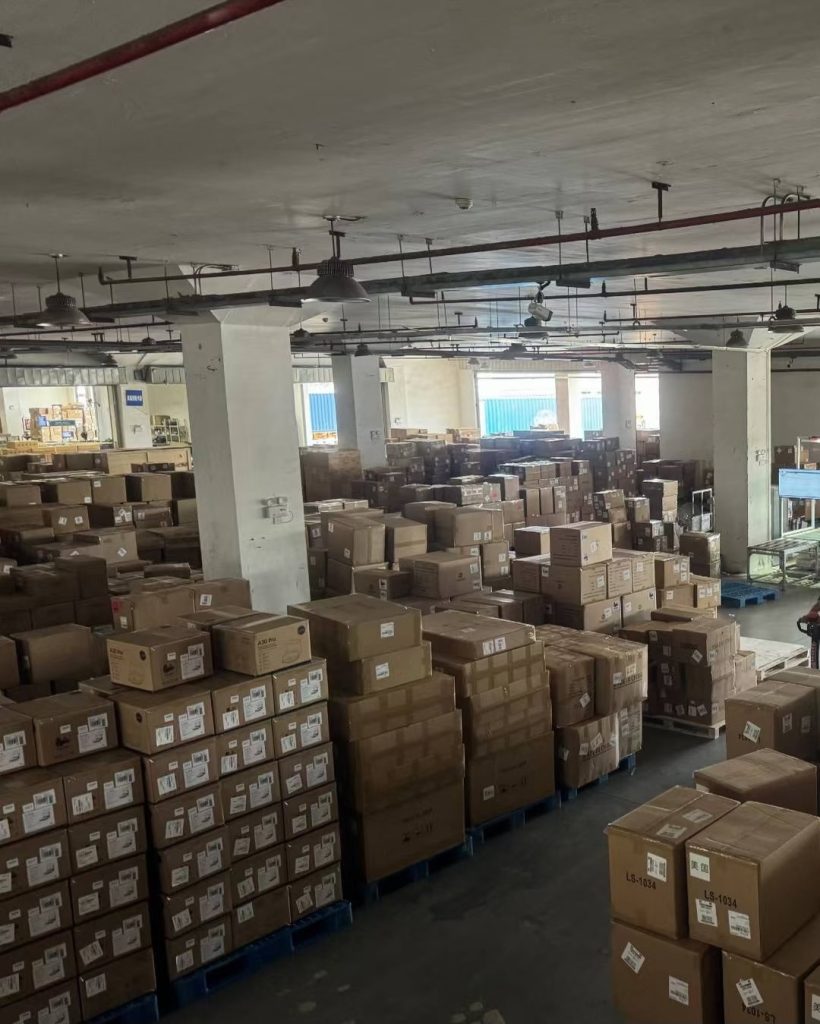
For Amazon FBA sellers and e-commerce entrepreneurs, logistics isn’t just a backend operation — it’s the heartbeat of your business. Unlike traditional B2B importers who might ship a single 40-foot container to a warehouse once a quarter, e-commerce sellers face a relentless cycle of restocking, seasonal spikes, product launches, and the constant pressure to avoid stockouts. A single delayed shipment can mean lost Buy Box placement, plummeting rankings, and thousands of dollars in lost revenue.
This is why finding the right China-based logistics provider is mission-critical. But not all freight forwarders are created equal, and many traditional forwarders simply don’t understand the unique speed, precision, and compliance demands of online selling. The best logistics partner for your store doesn’t just move boxes — they help you maintain inventory velocity, protect your seller account, and scale across multiple marketplaces. Here’s what to look for and how to choose.
1. Why E-Commerce and FBA Logistics Are Different
Shipping to an Amazon fulfillment center is nothing like shipping to a B2B warehouse. Amazon has strict, non-negotiable requirements for labeling, packaging, box dimensions, and pallet configurations. One mislabeled carton or a missing “Made in China” tag can result in your inventory being rejected, returned to sender, or — worse — disposed of at your expense.
Beyond compliance, e-commerce sellers typically deal with:
- Smaller, more frequent shipments: You’re not waiting to fill a full container; you’re sending 50–500 kg every few weeks to keep momentum.
- Multichannel complexity: You might sell on Amazon US, Shopify, Walmart, and TikTok Shop simultaneously, each with different delivery requirements.
- Tighter margins: Every dollar saved on logistics directly boosts your bottom line.
- Higher stakes: A 10-day delay during Q4 doesn’t just cost money — it can derail your entire holiday season.
A logistics provider that specializes in e-commerce understands these dynamics and builds their entire operation around them.
2. Essential Shipping Methods for FBA Sellers
The best China logistics providers offer a full menu of FBA-focused solutions, each tailored to different inventory needs:
- Express Courier (DHL, UPS, FedEx): Door-to-door in 2–5 days. Ideal for urgent restocks under 500 kg, product samples, or high-value goods. Built-in customs clearance and real-time tracking.
- Air Freight DDP (Delivered Duty Paid): Goods fly on commercial cargo flights and are delivered to Amazon via truck. Transit: 7–12 days. Cost-effective for shipments of 100–500 kg.
- Sea Freight DDP (LCL/FCL): The workhorse for most FBA sellers. LCL (Less than Container Load) for 1–15 CBM; FCL (Full Container Load) for 15+ CBM. Transit to US: 25–35 days. To Europe: 30–40 days. The lowest cost per unit by far.
- Rail Freight DDP: For Europe-bound sellers. Transit: 18–25 days. A middle ground between ocean and air — faster than sea, cheaper than air.
A top-tier provider will help you mix and match these methods. For example, sending 80% of your inventory by sea and 20% by air express ahead of a product launch ensures you have stock to sell immediately while the bulk arrives later.
3. Value-Added Services That Save You Time and Money
The right logistics partner acts as an extension of your operations team. Look for providers that offer:
- FBA Labeling and Packaging: Applying FNSKU labels, outer box labels, “Made in China” tags, poly bags with suffocation warnings, and expiration date labels — all according to Amazon’s latest requirements.
- Pre-Shipment Quality Inspection: Verifying product quantity, functionality, and packaging before goods leave China. Catching defects at the factory is 10x cheaper than dealing with Amazon returns.
- Repackaging and Relabeling: If Amazon rejects a shipment due to labeling errors, a good provider can intercept the goods at their destination warehouse, fix the issue, and resend to FBA.
- Consolidation from Multiple Suppliers: Sourcing from 5 factories? Your provider picks up from all of them, stores goods in their China warehouse, consolidates into one shipment, and sends it to Amazon — saving you hundreds in individual shipping fees.
- Bundling and Kitting: Assembling multi-packs, gift sets, or bundled products before they reach Amazon, so you can sell them as a single ASIN.
4. Customs Compliance and the DDP Advantage
For e-commerce sellers, DDP (Delivered Duty Paid) is the gold standard. Under DDP terms, your logistics provider handles everything — pickup, freight, export customs, import customs, duties, taxes, and final delivery to Amazon — under one all-inclusive price.
Why is this a game-changer for FBA sellers?
- Predictable costs: No surprise duty bills or customs broker fees showing up later.
- No US/EU entity required: You don’t need to register as an importer of record in your destination country.
- Simplified accounting: One invoice, one payment, zero customs paperwork on your end.
- Account protection: Proper declaration by experienced brokers reduces the risk of customs seizures that could trigger Amazon account flags.
A trustworthy provider will also advise on HS code classification, ensure your products have the necessary certifications (FCC, CPC, CE, FDA, etc.), and never suggest under-declaring values — which can get your inventory seized and your seller account suspended.
5. Technology and Transparency
In e-commerce, inventory visibility is everything. The best logistics providers offer:
- Online tracking portals: Real-time status updates from pickup to Amazon check-in.
- API integration: Some forwarders integrate directly with Amazon or your inventory management software to automate shipment creation and tracking updates.
- Proactive alerts: You should hear about delays, customs holds, or weather disruptions from your forwarder before you see it in your Amazon dashboard.
- Photo documentation: Photos of your goods at pickup, at the warehouse, and before sealing the container — so you have a visual record at every stage.
6. How to Vet Your FBA Logistics Provider
Before handing over your inventory, put candidates through a rigorous evaluation:
- Ask for FBA-specific references: Can they connect you with 2–3 current Amazon sellers they serve?
- Test their knowledge: Ask them about Amazon’s latest labeling requirements or how they handle FBA removal orders. If they hesitate, they’re not specialized enough.
- Review their DDP coverage: Do they offer true DDP to your target marketplaces (US, UK, Germany, Japan, etc.)?
- Check their peak-season performance: Ask: “What happened to your clients’ shipments during last year’s Q4 port congestion?” A good provider will have contingency plans and honest answers.
- Start with a trial: Send a small, non-urgent shipment first to test every aspect of their service — from labeling accuracy to delivery speed.
FAQ: China Logistics for Amazon FBA and E-Commerce
Q1: What is DDP shipping and why is it so popular among Amazon sellers?
A: DDP (Delivered Duty Paid) means the logistics provider pays all import duties, taxes, and customs clearance fees upfront and includes them in one all-in price. It’s popular because sellers don’t need to register as importers in their destination country, there are no surprise costs, and customs clearance is handled entirely by the forwarder’s partner — reducing the risk of delays or account issues.
Q2: How do I make sure my shipment won’t be rejected by Amazon for labeling errors?
A: Work with a logistics provider that offers FBA labeling as a service. Provide them with your FNSKU codes, and they’ll print, apply, and verify each label before shipment. Also ensure they add “Made in China” labels, poly bag suffocation warnings (if needed), and correct box weights/dimensions. Ask for photos of the finished cartons before they’re sealed for extra peace of mind.
Q3: Can a China logistics provider help if my goods are already in the US but need to go to Amazon?
A: Yes. Many specialized providers operate US-based warehouses where they receive your inventory, relabel or repackage it if needed, and forward it to Amazon FBA. They can also handle Amazon removal orders — receiving returned or stranded inventory, inspecting it, and either returning it to Amazon or disposing of it per your instructions.
Q4: What’s the cheapest way to ship to Amazon FBA from China?
A: Sea freight DDP is almost always the cheapest per unit, especially for shipments over 1 CBM. LCL (shared container) works for smaller volumes; FCL (full container) is best for 15+ CBM. However, “cheapest” isn’t always “best” — factor in the cost of stockouts if your inventory arrives too late. Many sellers use a hybrid model: sea freight for core stock, air express for replenishment.
Q5: How can I reduce the risk of customs seizing my goods?
A: Three steps: (1) Ensure accurate HS code classification — don’t let your forwarder guess. (2) Obtain all required certifications before shipping (e.g., CPC for children’s products, FCC for electronics, FDA for cosmetics/supplements). (3) Work with a forwarder who has a strong compliance track record and never suggests under-declaring product value, which is illegal and can result in seizure plus permanent import bans.
Q6: What are “sensitive goods” and how do I ship them?
A: Sensitive goods include items with built-in batteries, liquids, powders, magnets, branded/counterfeit-risky products, and electronics with Bluetooth or WiFi modules. These can’t travel through standard channels. A specialized logistics provider will have dedicated “sensitive” routes — often via Hong Kong or special carrier agreements — that can legally and safely transport these items. Always disclose sensitive products upfront; hiding them can get your entire shipment confiscated.
Q7: When should I start preparing my next FBA restock shipment?
A: A good rule of thumb: reorder when you have 30–45 days of inventory remaining, factoring in production time (typically 7–15 days) plus transit time. For sea freight to the US, start planning 60–75 days before you’ll run out. For air freight, 20–30 days. During peak season (Q3–Q4), add an extra 2–3 weeks of buffer due to port congestion and carrier space shortages. Use your inventory management software to set automated reorder alerts so you’re never caught off guard.